
Shrubs
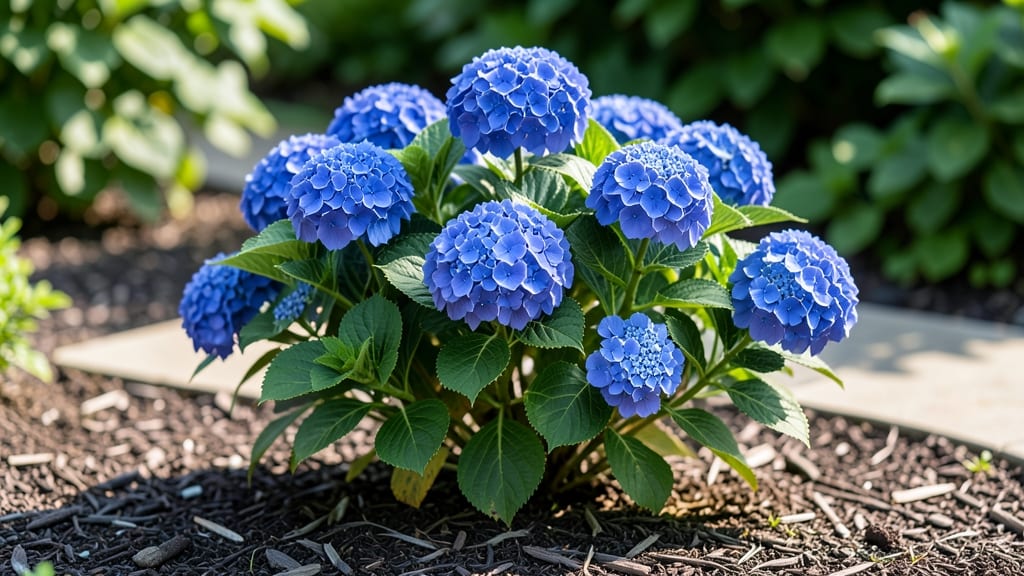
Dwarf blue hydrangeas transform containers into stunning vertical gardens with vibrant blue blooms—no yard needed. 🌿 I’ve trained mine up a simple wooden stake this year, and the results are shockingly lush clusters that last from summer into fall, all without the bitter taste some varieties develop in acidic soil.
The secret to those perfect blue blooms starts with soil pH—aim for 5.5 or lower (test kits make this easy). These hydrangeas also crave morning sun and afternoon shade, plus consistent moisture (think damp sponge, not soggy).
Pruning in late winter is key: cut back last year’s stems by half to encourage fresh growth and bigger blooms.
By midsummer, you’ll have foot-tall cascades of blue that turn heads at your doorstep. The pole training keeps stems sturdy, and the container setup means you can move them to follow the sun or protect them from late frosts. Even my first attempt—with a few too-short cuts—ended up looking intentional.
Pro tip: Feed with low-phosphorus fertilizer in spring to boost blooms, not leaves. And if your blues turn pink? Time to test that soil pH again. These plants are forgiving, but they’ll reward your attention with months of color that most shrubs can’t match.
📚 In This Guide
- What you need
- Instructions
- Tips and common mistakes
- Wrapping up and next steps
What you need
- ● Dwarf Blue Hydrangea Plant: 1 container-grown Hydrangea macrophylla 'Nikko Blue' or similar dwarf variety (check local nurseries or online plant shops).
- ○ Optional: Bare-root plant (spring planting only).
- ● Container: 1 12-15 gallon pot with drainage holes (fabric or plastic).
- ● Pro tip: Terracotta or self-watering pots help maintain moisture for blue blooms! 💡
- ● Potting Mix: 1 bag high-quality, well-draining potting mix (e.g., Miracle-Gro Potting Mix or Black Gold Natural & Organic).
- ○ Optional: Amend with 10-20% perlite or orchid bark for extra aeration.
- ● Fertilizer: 1 slow-release granular fertilizer (e.g., Osmocote Smart-Release Plant Food, 14-14-14 ratio).
- ● OR 1 balanced liquid fertilizer (e.g., Miracle-Gro All-Purpose, diluted to half-strength).
- ● Support System: 1 3-4 ft bamboo stake or trellis (for pole training).
- ● 1 roll soft plant ties (jute or Velcro-style).
- ● Mulch: 1 bag organic mulch (e.g., pine bark fines or cocoa hulls).
- ● Watering Tools: 1 watering can with a rose attachment (for gentle watering).
- ○ Optional: Moisture meter to track soil hydration.
- ● Sunlight: Partial shade (4-6 hours of morning sun) or dappled sunlight (avoid harsh afternoon sun).
- ● Water: Consistent moisture (containers dry out faster—water when top 1-2 inches of soil feel dry).
- ● pH Level: Acidic soil (pH 5.2-5.5) for true blue blooms. Test soil with a pH meter or amend with sulfur if needed.
- ● Climate: Hardiness zones 5-9 (adjust care for extreme heat/cold).
- ● Patience: Dwarf varieties may take 1-2 years to reach full blooming potential in containers!
Step-by-Step guide to pole-training dwarf blue hydrangeas in containers
Transform your patio into a vertical blue bloom display with this simple pole-training method.
🌱 Step 1: Select and Prepare Your Dwarf Blue Hydrangea
Choose a dwarf blue hydrangea (like 'Little Lime' or 'Endless Summer Blue') from a reputable nursery—look for plants with plump buds and firm stems. I always inspect the roots first; healthy ones should be white and fibrous, not brown or mushy. If you're working with bare-root plants, soak the roots in lukewarm water for 1 hour before planting to rehydrate them.
For container growing, select a 5-7 gallon pot with drainage holes—hydrangeas hate soggy roots. Fill the bottom third with gravellike medium (like pumice or perlite) to improve drainage. This prevents the classic hydrangea issue of root rot, which can turn your blue blooms into sad, wilted messes.
🪴 Step 2: Plant and Stake for Vertical Growth
Fill the pot halfway with well-draining potting mix (aim for a blend with 30% perlite or orchid bark). Gently remove the hydrangea from its nursery pot and loosen the root ball with your fingers. Position the plant so the crown sits just above the soil line—burying it too deep suffocates the roots and causes stem rot.
Insert a 5-foot bamboo stake or metal trellis into the pot next to the plant, placing it 2 inches from the main stem. This gives the hydrangea something sturdy to cling to as it grows. Secure the plant to the stake with soft plant ties (avoid wire—they cut into stems as the plant thickens). Water deeply after planting until water runs out the drainage holes.
☀️ Step 3: Train and Prune for Optimal Blooms
Hydrangeas bloom on new wood, so prune in late winter or early spring before new growth begins. Cut back the previous year's stems by one-third to encourage bushier growth. For pole training, select 3-4 strong stems and gently weave them around the stake, securing them with additional ties every 6-8 inches as they grow.
Here's the thing—hydrangeas need full sun to partial shade (6+ hours of morning sun is ideal). If your container gets hot afternoon sun, move it to a shadier spot during peak heat. Blue blooms develop best in slightly acidic soil (pH 5.2-5.5)—test your soil and amend with hydrangea blueing granules if needed. You'll see buds form on the new growth by mid-summer.
💧 Step 4: Maintain Moisture and Fertility
Water when the top 2 inches of soil feel dry—hydrangeas are thirsty plants, especially in containers. I use a self-watering pot for mine to prevent uneven moisture, which can cause bud drop. Mulch the soil surface with 1 inch of pine bark to retain moisture and keep roots cool. Avoid over-fertilizing; a balanced 10-10-10 fertilizer applied every 6 weeks during growing season is plenty.
Watch for aphids or powdery mildew—common pests that love hydrangeas. Spray leaves with neem oil at the first sign of trouble. If your blooms turn pink instead of blue, it's a pH issue—add aluminum sulfate to the soil to restore blue color. With consistent care, your pole-trained hydrangea will produce foot-long blooms by late summer.
⏰ Step 5: Overwinter and Prepare for Next Season
Before the first frost, wrap the pot in burlap and move it to a protected location (like a garage or under an eave). Reduce watering in winter but keep the soil slightly moist. In early spring, prune again to remove dead wood and encourage fresh growth. If your hydrangea outgrows its pot, repot in spring using the same well-draining mix.
This is the moment that matters: By June, your pole-trained hydrangea will be a vertical blue masterpiece, drawing compliments and hummingbirds alike. The key is patience—pole training takes 2-3 seasons to reach full height, but the results are worth it. Real talk: You'll want to train more hydrangeas after your first success.
Tips & tricks for pole-trained dwarf blue hydrangeas
Here's what nobody tells you about transforming your dwarf blue hydrangea into a stunning vertical display—these tricks make all the difference.
Root Preparation Matters: That 1-hour soak for bare-root plants isn't just about hydration—it's about reviving root health. I learned this the hard way after seeing root rot set in from dry roots. Use lukewarm water (never cold) and gently swish the roots to dislodge any dirt clinging to them. This ensures your hydrangea starts with strong, active roots that can support the vertical training.
Staking Strategy for Stability: When inserting your 5-foot bamboo stake in Step 2, angle it slightly away from the plant's growth direction. This creates a natural lean that helps the plant grow toward the sun while preventing the stake from cutting into the stem as it thickens. I also recommend using two stakes for larger pots—the extra support prevents the plant from toppling during windy days, especially important for container-grown specimens.
Pruning Precision: The one-third pruning cut in Step 3 should remove only last year's growth—never cut into this year's buds. Look for the small, plump buds that will bloom next season; these are your guides. I use sharp pruning shears and make clean cuts at a 45-degree angle just above a leaf node. This technique prevents disease entry points and encourages stronger regrowth.
Sunlight Management: For those hot afternoon sun situations, don't just move the pot—rotate it every few days. This ensures even exposure while protecting delicate blooms. I've found that positioning the pot so the south side gets morning sun and the north side gets afternoon shade creates the perfect balance. The goal is to maintain that vibrant blue color, which fades under intense afternoon heat.
Pro Tips for Dwarf Blue Hydrangea
- Here's what nobody tells you about transforming your dwarf blue hydrangea into a stunning vertical display—these tricks make all the difference.
- Root Preparation Matters: That 1-hour soak for bare-root plants isn't just about hydration—it's about reviving root health.
- Staking Strategy for Stability: When inserting your 5-foot bamboo stake in Step 2, angle it slightly away from the plant's growth direction.
Frequently asked questions
about dwarf blue hydrangeas—because even the smallest blooms have big answers!Can I grow a dwarf blue hydrangea in a container?
Dwarf varieties like Hydrangea macrophylla 'Little Lilo' thrive in containers (12–15" pots). Just ensure it has well-draining soil, morning sun/afternoon shade, and regular watering. Root-bound plants may need repotting every 2–3 years. Pro tip: Use a terracotta pot to prevent root rot!
How long does it take for a dwarf blue hydrangea to bloom?
Patience pays off! Most dwarf hydrangeas take 1–2 years to establish and bloom after planting. With proper care—fertilizer in spring, pruning in late winter—you’ll see vibrant blue flowers by mid-to-late summer. Troubleshooting: If it doesn’t bloom, check for overcrowded roots or too much shade.
Why are my hydrangea flowers turning pink instead of blue?
Blue hydrangeas need acidic soil (pH 5.0–6.0) to stay true blue. Pink flowers? Your soil might be alkaline (pH 7.0+). Fix it by:
- Adding peat moss or sulfur to soil.
- Watering with vinegar (1 tbsp per gallon) or lemon juice occasionally.
- Avoiding lime or wood ash.
What’s a good alternative if I want blue flowers but not hydrangeas?
If hydrangeas aren’t your style, try these blue-blooming container shrubs:
- Perovskia 'Little Spire' (lavender-blue, drought-tolerant).
- Caryopteris 'Blue Mist' (fragrant, thrives in heat).
- Agapanthus 'Blue Ensign' (arching spikes, loves sun).
Do dwarf blue hydrangeas need winter protection?
In USDA Zones 5–6, mulch the base with 3–4 inches of straw or shredded leaves after the first frost. For Zone 4 or colder, wrap the pot in bubble wrap or move it to an unheated garage. Never prune in winter! Wait until late February or early March to trim dead stems.
Wrapping up and next steps
The dwarf blue hydrangea is a stunning, low-maintenance plant that brings vibrant color and charm to containers—without the bitterness! With the right training, soil, and care, you’ll enjoy months of blooms while keeping it compact and manageable.
Whether you’re a gardening newbie or a seasoned pro, this shrub is your ticket to effortless beauty.
Ready to transform your space? Start by selecting your container and soil mix—then watch your dwarf hydrangea thrive! 🌸