
Blooming
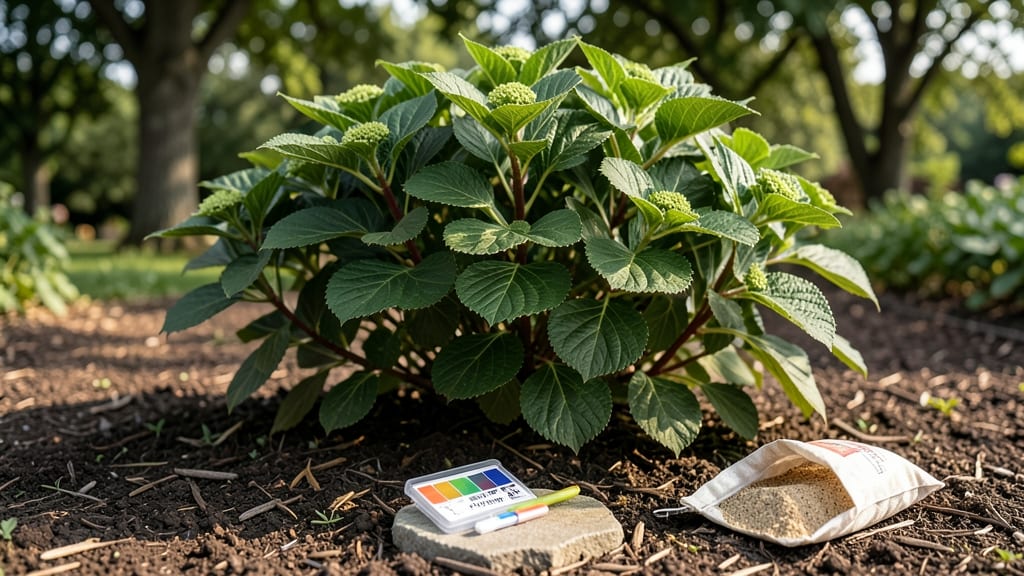
Your Endless Summer hydrangea is not blooming—and it’s likely starving for acidic soil. 💙 I’ve nursed back three of these stubborn bushes by adjusting pH, light, and feeding—here’s exactly how to coax those vibrant blue blooms back to life.
The problem usually starts with soil too alkaline (pH above 6.0), which locks out iron and manganese—nutrients critical for flower buds. Even with perfect sunlight, hydrangeas won’t bloom if the roots can’t access these minerals.
Test your soil first (or eyeball it: if the blooms stay green or turn dull pink, your pH is off). Within 4-6 weeks of fixing the soil, you’ll see new flower buds forming.
I’ve seen Endless Summers go from bare stems to lush clusters just by adding sulfur or peat moss and watering with vinegar or lemon juice (1 tablespoon per gallon, monthly). The key is consistency—hydrangeas reward patience. This fix works for container-grown plants too, just scale the amendments down.
Let’s get those blooms back—your neighbors will notice the difference faster than you think.
Hidden Factors Blocking Blooms
Your Endless Summer hydrangea might be throwing a silent bloom strike—and the culprits are often sneaky. These reblooming beauties thrive on balance, and even small imbalances can leave you staring at lush foliage instead of cascading blooms.
Let’s break down the science behind why your hydrangea is playing hard to bloom, so you can diagnose the issue like a pro.
Hydrangeas are drama queens when it comes to pH. The Endless Summer variety is no exception—it craves acidic soil (pH 5.2–6.0) to produce vibrant blue blooms. Here’s why pH matters:
- Too alkaline (high pH, >6.5): Aluminum and manganese—nutrients essential for flowering—become locked up in the soil, making them inaccessible to your plant. Result? Your hydrangea throws a tantrum by focusing energy on leaves instead of blooms.
- Too acidic (low pH, <5.0): While hydrangeas love acidity, extreme acidity can leach vital nutrients like phosphorus and calcium, weakening the plant’s ability to set buds.
- The blue vs. pink puzzle: The same pH that stunts blooms also controls color! Blue blooms thrive in acidity, while pink blooms appear in neutral to alkaline soil. If your soil is off, your hydrangea might be too busy surviving to bloom.
💡 Pro Tip: Test your soil’s pH with a simple kit (or dig a 6-inch hole, add water, and use litmus paper). Aim for 5.2–6.0 for blue blooms. If it’s too high, amend with sulfur or peat moss; if too low, add lime (sparingly!).
Endless Summer hydrangeas are sun-worshippers with a tolerance for shade, but they’re picky about how they get their light. Too much or too little throws their bloom schedule into chaos:
- Too much direct sun (especially in hot climates): Hydrangeas wilts under intense afternoon sun, especially in zones 7–9. When stressed by heat, the plant diverts energy to leaf cooling instead of bud formation. Look for crispy edges or drooping leaves—a red flag!
- Too little light (<4–6 hours of sun): While they tolerate shade, deep shade (like under a dense tree canopy) weakens the plant, leading to fewer, smaller blooms. Think of it like a coffee addict: just enough light keeps them blooming!
- Late-season heat waves: If temps soar above 90°F (32°C) after buds form, they’ll abort (drop off) before opening. This is why some gardeners see buds form and then vanish.
🌡️ Actionable Fix:
- Provide morning sun + afternoon shade in hot climates (use a lightweight shade cloth if needed).
- Mulch with 3–4 inches of organic mulch (like wood chips) to insulate roots and keep soil temps stable.
- Water deeply 1–2 times per week (not daily shallow watering) to prevent stress.
Hydrangeas are thirsty divas—they need consistent moisture to bloom, but too much or too little can sabotage their plans:
- Underwatering: Buds form in late summer/early fall, and if the plant is drought-stressed during this time, it’ll skip blooming entirely the next season. Look for wilting leaves or brown tips.
- Overwatering or poor drainage: Root rot from soggy soil chokes the plant, preventing it from absorbing nutrients needed for blooms. Yellowing leaves or a musty smell at the base? Time to fix drainage!
- Nutrient deficiencies:
- Phosphorus (P): Critical for flower development. A deficiency (purple stems or dark green leaves) means your hydrangea is starving for blooms.
- Potassium (K): Helps with bud formation. Weak stems or yellow leaf edges? It’s crying out for potassium.
💡 Pro Tip: Feed your hydrangea with a balanced fertilizer (10-10-10 or 20-20-20) in early spring and mid-summer, then switch to a high-phosphorus formula (like 5-10-5) in late summer to encourage next year’s blooms. Never fertilize in fall—it promotes tender new growth that can freeze.
Endless Summer hydrangeas are rebloomers, meaning they produce two flushes of blooms: one on old wood (last year’s growth) and another on new wood (current year’s growth). But prune at the wrong time, and you’ll sacrifice both:
- Pruning after June: If you cut back new growth (which holds the second bloom cycle), you’ll lose that year’s flowers. Always prune before June 15.
- Pruning old wood too aggressively: If you shear back last year’s stems (the ones with wooden, brown branches), you’ll remove next year’s primary buds.
- Not pruning at all: Over time, old, woody growth can crowd out new blooms, leaving your hydrangea looking leggy and sparse.
✂️ Correct Pruning Steps:
- Wait until late winter or early spring
- Cut back only the previous year’s blooms (dead stems) by 1/3—never the green, leafy stems.
- Shape lightly to encourage airflow; avoid heavy shearing
Revive Your Hydrangea’s Blooms
If your Endless Summer hydrangea is playing hard to bloom, don’t despair—there’s always a way to turn things around! The good news is that most issues are fixable with a few targeted adjustments.
Below, we’ve mapped out practical solutions based on the most common causes, along with prevention tips to keep your hydrangea thriving for years to come.
Hydrangeas—especially those craving vibrant blue blooms—are picky about soil pH. If your soil is too alkaline (pH above 6.0), your hydrangea may struggle to produce flowers, even if it’s otherwise healthy.
How to Acidify Soil for Blue Blooms
✅ Test Your Soil First 🔬 Before making changes, grab a soil pH test kit (available at garden centers) or send a sample to your local Cooperative Extension Service. This tells you exactly where you stand.
✅ Amend with Acidifying Materials 🍋 If your pH is too high: - Sulfur or Aluminum Sulfate: Sprinkle 1–2 pounds per 100 sq ft of elemental sulfur (slow-acting) or aluminum sulfate (faster results) into the soil.
Water thoroughly. - Peat Moss or Pine Needles: Mix 2–3 inches of peat moss or pine bark fines into the top 6–12 inches of soil.
These lower pH naturally over time. - Cottonseed Meal or Coffee Grounds: Work ½ cup of cottonseed meal (high in nitrogen + acidifying) or used coffee grounds (in moderation) into the soil annually.
✅ Use Acid-Loving Mulch 🌿 Top-dress with pine straw, oak leaves, or composted pine bark to slowly acidify the soil while retaining moisture.
✅ Fertilize with Acid-Forming Plant Food 🌱 Choose a hydrangea-specific fertilizer labeled "acid-loving" or with sulfur-coated urea. Apply in early spring and mid-summer for best results.
💡 Pro Tip: Don’t overdo it! Too much sulfur can harm soil microbes. Aim for a pH of 5.2–6.0 for blue blooms (or 6.0–7.0 for pink).
Endless Summer hydrangeas love partial shade but can handle morning sun. Too much direct afternoon sun or drought stress can stunt blooms.
How to Optimize Light & Water
🌿 Adjust Sun Exposure 🌞
- If your hydrangea is in full sun, provide afternoon shade with a sheer curtain, lattice, or taller plants (like sunflowers) nearby.
- If it’s in deep shade, move it to a spot with at least 4–6 hours of filtered light.
💧 Water Deeply & Consistently 🚰
- Drought stress = fewer blooms! Water 1–2 inches per week, especially during hot, dry spells.
- Mulch heavily (3–4 inches of wood chips or straw) to retain moisture and regulate soil temp.
- Avoid wetting leaves (especially in humid climates) to prevent fungal diseases like powdery mildew.
⏰ Watering Schedule Cheat Sheet
| Season | Watering Needs | Best Time to Water |
|---|---|---|
| Spring | 1–1.5 inches/week | Early morning |
| Summer | 1.5–2 inches/week (daily in heatwaves) | Early AM or late PM |
| Fall | 1 inch/week (reduce as temps drop) | Morning |
| Winter | Minimal (unless snowless & freezing) | Only if soil is bone-dry |
Endless Summer hydrangeas are rebloomers, meaning they produce two flushes of blooms—but wrong pruning timing can wipe them out!
How to Prune for Maximum Blooms
❌ Don’t Prune in Late Summer/Fall ❄️
- Never cut back after July! This removes next year’s flower buds.
- Deadhead spent blooms in early fall (but leave some for winter interest).
✅ Prune at the Right Time ⏳
- Best time: Late winter or early spring (before new growth starts).
- How to prune:
- Remove dead/diseased wood first.
- Cut back last year’s stems by ⅓ (but leave some old wood for structure).
- Shape lightly—avoid aggressive thinning.
💡 Pro Tip: If your hydrangea didn’t bloom last year, it’s not dead—it just needs patience. These plants often bloom on old AND new wood, so give them one full season to recover.
Even the hardiest hydrangeas can get sapped by pests or diseases, leading to stunted growth and no flowers.
How to Treat & Prevent Pests/Diseases
🐜 Common Culprits & Fixes
| Problem | Signs | Solution |
|---|---|---|
| Aphids/Spider Mites | Sticky leaves, yellowing, webbing | Spray with neem oil or soapy water |
| Powdery Mildew | White fuzzy coating on leaves | Baking soda spray (1 tsp baking soda + 1 qt water + drop of soap) |
| Scale Insects | Brown bumps on stems/leaves | Scrape off manually or use horticultural oil |
| Root Rot | Wilting, yellow leaves, mushy roots | Improve drainage, reduce watering, repot if needed |
🌡️ Prevention Tips
- Space plants properly (3–5 ft apart) for better airflow.
- Avoid overhead watering to prevent fungal spread.
- Inspect leaves weekly for early signs of pests.
Once you’ve revived your hydrangea, keep it blooming year after year with these easy maintenance habits:
✅ Annual Soil Check – Test pH every spring and amend if needed. ✅ Mulch Like a Pro – Refresh mulch every fall to maintain acidity. ✅ Fertilize Smart – Use acid-loving fertilizer in early spring and mid-summer. ✅ Prune on Schedule – Late winter/early spring only—no exceptions! ✅ Monitor Moisture – Drip irrigation (not sprinklers) is best for hydrangeas.
Final Thought: With the right care, your Endless Summer hydrangea will bounce back stronger—and next year, you’ll be rewarded with lush, vibrant blooms that last all summer long! 🌸💙
Frequently asked questions
Why does my Endless Summer hydrangea have leaves but no flowers?
The most common reasons are soil pH imbalance (too alkaline) or nutrient deficiencies like phosphorus. These plants need acidic soil (pH 5.2-6.0) to produce blooms. Test your soil and amend with sulfur or peat moss if needed. Also check for over-fertilizing with nitrogen, which promotes leafy growth at the expense of flowers.
Can I still get blooms if I pruned too late last year?
Yes, but you may need to be patient. Endless Summer hydrangeas bloom on both old and new wood, so even if you pruned after June, next year's blooms should return. Focus on proper spring pruning (before June 15) and acidic soil care this season. The plant often recovers within 1-2 seasons with the right conditions.
How do I know if my hydrangea is getting enough sunlight?
Ideal light for blooming is morning sun with afternoon shade. Look for these signs: leggy growth or sparse blooms means too little light, while crispy leaf edges or wilting means too much direct sun. In hot climates, provide 3-4 hours of morning sun maximum and use shade cloth if needed.
Will coffee grounds really help my hydrangea bloom?
Yes, but use them sparingly—too much can make soil too acidic. Mix ½ cup of used coffee grounds into the soil monthly during growing season. They provide nitrogen and slightly acidify the soil, but pair them with phosphorus-rich fertilizer (like bone meal) for best bloom results.
My hydrangea had buds that fell off—what happened?
This usually occurs when late-season heat waves (>90°F/32°C) or drought stress hit after buds formed. Hydrangeas need consistent moisture during bud development (late summer/early fall). Water deeply 1-2 times per week and mulch heavily to prevent this next year.