
Light Requirements
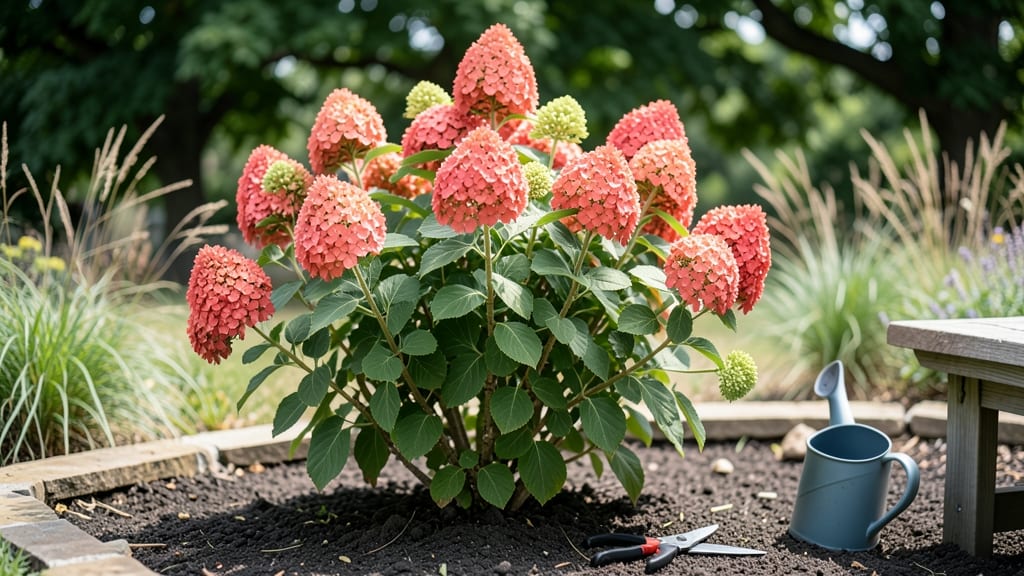
A full-grown Quick Fire hydrangea 🌸 stands out in gardens with its bold red blooms, but its size and shape depend entirely on how you prune it.
Picture this: You’ve waited all spring for those vibrant flowers, only to be disappointed by sparse blooms or a messy, overgrown shrub. The secret? Pruning at the right time—and knowing exactly what to cut—can transform your Quick Fire hydrangea from a wild tangle into a showstopper.
This compact shrub typically reaches 3 to 6 feet tall, but without proper care, it can sprawl or lose its stunning color. Whether you’re dealing with leggy stems or just want to encourage more blooms, the right pruning schedule makes all the difference.
In this guide, I’ll walk you through the year-round pruning schedule that keeps your Quick Fire hydrangea thriving, from late-winter cuts to summer deadheading. You’ll learn how to maximize blooms, avoid common mistakes, and keep your shrub looking its best—without sacrificing next year’s flowers.
When and how to prune full-grown Quick Fire hydrangeas for maximum blooms
Pruning your Quick Fire hydrangea at the right time ensures vibrant red blooms from summer until frost. Unlike some hydrangeas, this variety blooms on new wood, meaning you can prune more aggressively without sacrificing flowers.
The key is timing—late winter or early spring—when the plant is dormant but before new growth begins.
If you prune at the wrong time, you risk removing next year’s flower buds or over-thinning the shrub. Quick Fire hydrangeas typically reach 3-6 feet tall, so proper pruning keeps them compact while encouraging dense foliage and abundant blooms.
Grab your sharp pruners and let’s dive into the step-by-step process to transform your shrub into a blooming powerhouse.
- 1 Choose the right time: Prune in late winter (February-March) or early spring (before buds swell). Avoid pruning in fall or winter when flower buds are already set.
- 2 Gather your tools: Use clean, sharp pruners (bypass pruners work best) and sterilize them with rubbing alcohol to prevent disease. Wear gloves to protect your hands from thorns.
- 3 Identify dead or weak stems: Remove any dead, diseased, or crossing branches first. Cut these back to the main stem or where they meet another branch.
- 4 Thin out overcrowded areas: Look for thin, leggy stems or branches growing inward. Cut these back by 1/3 to 1/2 their length to improve airflow and sunlight penetration.
- 5 Shape the shrub: Use your pruners to maintain a rounded shape. Aim to keep the widest part at the base and taper slightly toward the top for a natural look.
- 6 Clean up: Remove all pruned branches from the garden area to prevent pests or diseases from lingering. Dispose of them in the trash, not your compost pile.
- 7 Apply mulch: Spread 2-3 inches of mulch around the base (keep it 3 inches away from the stem) to retain moisture and protect roots as new growth begins.
After pruning, your Quick Fire hydrangea will reward you with vibrant red blooms that last from midsummer through fall. The key is to prune annually to maintain its shape and encourage new growth. Avoid the temptation to prune in fall—this can remove next year’s flower buds before they form.
If you notice bare spots or overly leggy growth after pruning, it’s a sign you’ve pruned too aggressively. Next time, focus on selective thinning rather than heavy cutting. Quick Fire hydrangeas are forgiving, but they thrive best with moderate pruning and consistent care.
For maximum blooms, pair your pruning with balanced fertilization in early spring. Use a 10-10-10 NPK fertilizer to encourage both foliage and flower production. Water deeply after pruning to help the plant recover and establish new roots for the growing season.
One common mistake is pruning too late in spring, which can delay blooming.
If you miss the late winter window, wait until late summer or early fall to do light pruning, but avoid heavy cuts that could reduce next year’s flowers. Quick Fire hydrangeas are low-maintenance, but proper pruning is the secret to their stunning display.
Pro tip: Take a before-and-after photo of your pruned hydrangea. You’ll be amazed at how much more compact and healthy it looks after just a few strategic cuts. With the right technique, your Quick Fire hydrangea will become the star of your garden, blooming beautifully year after year.
Quick Fire hydrangea pruning schedule by season: what to do each month
Your Quick Fire hydrangea will reward you with stunning bold red blooms all season long—but only if you prune it at the right time. Unlike some hydrangeas, this variety blooms on new wood, meaning you can prune more aggressively without sacrificing flowers.
The key is knowing when to prune to stimulate fresh growth while avoiding winter damage or summer stress.
Timing is everything with Quick Fire hydrangeas. Prune too early, and you risk exposing tender stems to frost. Prune too late, and you might cut off next year's flower buds. Below is your month-by-month pruning schedule, tailored to maximize blooms and maintain a compact, bushy shape.
March is your critical pruning window for Quick Fire hydrangeas. This is when you should cut back 1/3 of the oldest stems to encourage vigorous new growth.
Use clean, sharp pruners and always cut at a 45-degree angle just above a bud or leaf node to promote healing and prevent disease.
Throughout the growing season, focus on deadheading—removing spent blooms—to redirect the plant's energy into producing more flowers. This simple step can double your blooms by preventing the plant from wasting energy on seed production. Just snip off the faded flowers with a clean cut, and watch your hydrangea thrive.
In fall and winter, your Quick Fire hydrangea needs minimal intervention. The focus shifts to protection—mulching around the base and wrapping young plants if your winters are harsh. This ensures your shrub stays healthy and ready to burst into vibrant red blooms next spring.
Remember, consistency is key with hydrangeas. Stick to this schedule, and your Quick Fire hydrangea will reward you with bold, long-lasting color from early summer until frost. Happy pruning! ✂️🌸