
Planting
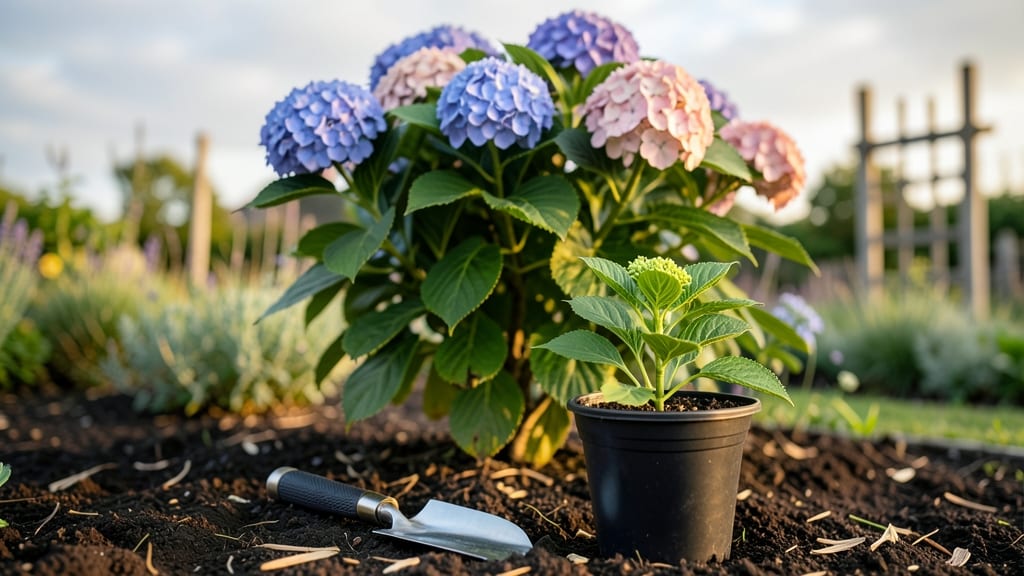
Planting Endless Summer hydrangeas the right distance apart—how far apart to plant endless summer hydrangeas—ensures bigger blooms, fewer pests, and shrubs that thrive for years—not just survive.
Struggling to get your Endless Summer hydrangeas to thrive? Proper spacing isn’t just about aesthetics—it’s the secret to bushier blooms, fewer pests, and healthier plants that last for decades.
These shrubs grow 3 to 6 feet wide at maturity, so cramming them too close leads to crowded roots, stunted growth, and even disease. But plant them too far apart, and you waste space in your garden.
In this guide, I’ll break down the ideal spacing for Endless Summer hydrangeas, whether you’re planting in a garden bed or a container, plus tips for adjusting based on your soil and sunlight.

Optimal spacing for Endless Summer hydrangeas: planting distance by variety and growth habit
Getting the spacing right for your Endless Summer hydrangeas can transform your garden from a crowded mess to a thriving, low-maintenance masterpiece. These iconic shrubs need the right room to spread their roots and produce those signature blooms—but how far apart should you plant them?
The answer depends on the variety, growth habit, and your garden’s conditions. Let’s break it down so you can plant with confidence.
First, consider that Endless Summer hydrangeas are known for their reblooming ability, but they need space to avoid competing for nutrients. Standard varieties can reach 4-6 feet wide at maturity, while dwarf types stay more compact.
Ignoring these guidelines often leads to stunted growth, pests, or disease—all of which can cut your blooms short. Below, I’ll share the exact distances for each type, plus tips for adjusting based on your garden’s layout.
| Variety | Mature Size (W x H) | Recommended Spacing | Sunlight Needs | Soil Type |
|---|---|---|---|---|
| Standard Endless Summer | 4-6 ft wide x 4-6 ft tall | 4-5 feet apart | Partial shade (4-6 hrs sun) | Well-draining, acidic (pH 5.5-6.2) |
| Dwarf Endless Summer | 2-3 ft wide x 2-3 ft tall | 2-3 feet apart | Partial shade (3-4 hrs sun) | Well-draining, slightly acidic |
| Mophead Varieties | 3-5 ft wide x 3-5 ft tall | 3-4 feet apart | Partial shade (morning sun) | Moist, rich, acidic soil |
| Container-Grown | Varies by pot size | 1 plant per 12-15" pot | Partial shade (indirect light) | Well-draining potting mix |
For standard Endless Summer hydrangeas, the 4-5 foot spacing is non-negotiable if you want those large, show-stopping blooms. These shrubs grow wide and bushy, so cramming them closer than 4 feet will lead to root competition and reduced flower production.
Think of it like giving each plant its own personal space to stretch out—this ensures better airflow and fewer fungal issues like powdery mildew.
If you’re working with dwarf varieties, you can play it a little closer with 2-3 feet of space. These compact beauties are perfect for small gardens, containers, or border plantings.
Just remember: even dwarfs need room to breathe. Packing them too tightly can still invite pests like aphids or spider mites, which love crowded, humid conditions.
For mophead varieties, aim for 3-4 feet apart. These hydrangeas have a slightly more upright growth habit but still spread wide. If you’re planting them in a row or hedge, stagger the spacing slightly to create a natural, layered look.
This also helps prevent overcrowding as they mature, which can lead to brittle stems and fewer blooms over time.
Now, let’s talk about soil and sunlight, because these factors can tweak your spacing needs. In full sun (6+ hours of direct light), hydrangeas may need slightly more space—up to 5-6 feet apart—since they’ll grow more vigorously.
Conversely, in shadier spots, you can edge closer to the minimum spacing because growth will be slower. Always amend your soil with compost or peat moss to improve drainage, especially in clay-heavy soils.
One of my biggest mistakes was planting Endless Summer hydrangeas too close together in a clay soil garden. Without proper spacing and soil amendments, the roots struggled, and the plants produced tiny, sparse blooms.
After replanting with proper distance and adding organic matter, the difference was night and day—larger blooms, healthier foliage, and fewer pests. Don’t make the same mistake!
If you’re planting in containers, the rules change slightly. Use one plant per 12-15 inch pot to give roots enough room to establish. Ensure your container has drainage holes and use a well-draining potting mix to prevent root rot.
Container-grown hydrangeas will still need regular watering and fertilizer to compensate for their limited root space.
Pro tip: If your garden is small or urban, consider vertical planting. Use a trellis or obelisk to train hydrangeas to grow upward, saving horizontal
Why proper spacing matters: how distance affects bloom size, airflow, and disease prevention
When you plant Endless Summer hydrangeas too closely, you’re not just sacrificing their stunning blooms—you’re inviting a host of problems. Root competition steals nutrients, poor airflow creates fungal hotspots, and pests find crowded plants an all-you-can-eat buffet. The right spacing transforms your hydrangeas from struggling survivors to showstopping stars.
Think of each plant as a territorial monarch—it needs its own space to stretch, breathe, and thrive. Overcrowding forces hydrangeas to fight for resources, resulting in smaller blooms and weaker stems. Meanwhile, under-spaced plants can become leggy and sparse, as they reach for sunlight denied by neighbors.
The sweet spot? 4-5 feet apart for standard varieties, but let’s dive into why this matters beyond just numbers.
Planting Endless Summer hydrangeas closer than 3 feet apart triggers these risks:
- Fungal infections (powdery mildew, leaf spot) from trapped moisture
- Stunted growth due to root competition for water/nutrients
- Pest infestations (aphids, spider mites) thrive in dense foliage
- Smaller blooms as energy shifts to survival, not flowers
Pro Tip: If your yard is small, opt for dwarf varieties (like 'Little Lime') and space them 2-3 feet apart—but still prioritize airflow!
Science backs up what gardeners know intuitively: airflow is everything. Hydrangeas need circulation to dry quickly after rain or morning dew, preventing fungal spores from taking hold.
In crowded conditions, leaves stay damp longer, creating the perfect breeding ground for powdery mildew—a white, flour-like film that chokes your plant’s ability to photosynthesize.
Real-world example: I once saw a 5-year-old hydrangea hedge planted just 2 feet apart. The outer plants looked healthy, but the inner ones were bare branches with yellowing leaves—a classic sign of root asphyxiation.
The roots had competed so fiercely that the center plants couldn’t access enough nutrients or water. A quick fix? Prune the outer plants to open gaps and add compost to improve soil health.
On the flip side, over-spaced hydrangeas (6+ feet apart) might seem safe, but they waste your garden’s potential. Underutilized space can lead to weed invasion or soil erosion, and your plants may develop weak stems from stretching too far for sunlight.
The key is balance: 4-5 feet apart gives roots room to expand while keeping foliage dense enough for that lush, romantic look.
For container-grown Endless Summer hydrangeas, spacing rules change entirely.
A single plant in a 15-gallon pot needs at least 2 feet of clearance from other plants—otherwise, you’re recreating the same crowding problems. Mulch heavily around the base to simulate the root space lost in confined pots, and avoid placing containers where they’ll block airflow from neighboring shrubs.
Remember: Proper spacing isn’t selfish—it’s selfless. By giving each hydrangea its own personal bubble, you’re ensuring bigger blooms, fewer diseases, and plants that outlive their welcome in your garden. Now go measure those gaps—your hydrangeas will thank you with showstopping blooms next summer! 🌸