
How To
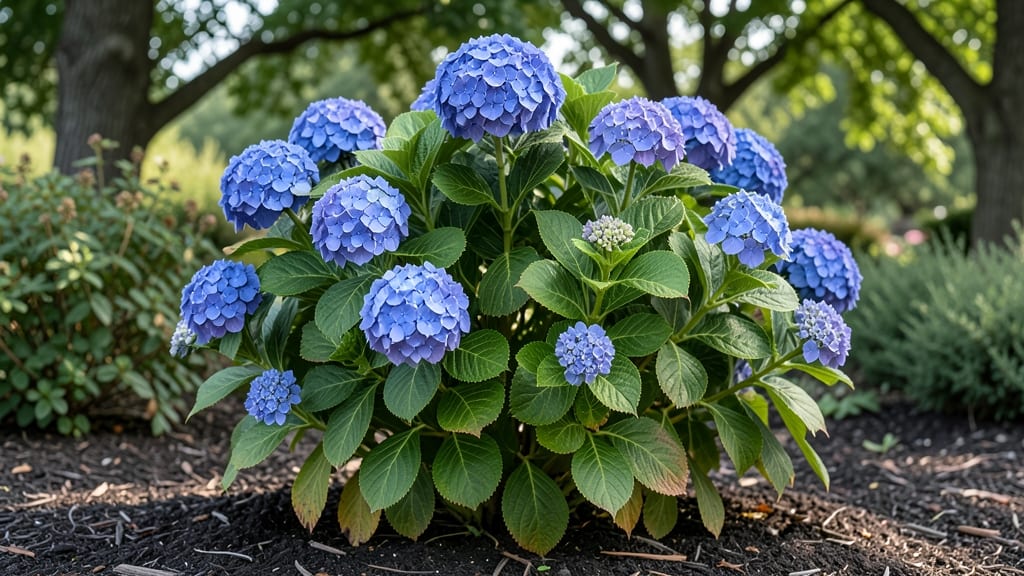
Before planting, know how large do hydrangeas get—they range from a compact 3 feet to a towering 8 feet tall, depending on the variety.
Picture this: a mophead hydrangea 🌸 blooming like a cloud in your yard, or a panicle type reaching the height of a small tree. The difference isn’t just about aesthetics—it’s about how much space you can realistically dedicate to these stunning shrubs.
Sunlight, pruning, and soil all play a role in how big your hydrangeas grow. Too much shade might keep them smaller, while aggressive pruning can control their spread. Meanwhile, the wrong variety in a tight space can turn your dream garden into a crowded mess.
In this guide, I’ll break down the exact heights of popular types, spacing tips to keep your garden looking intentional, and how to pick the perfect hydrangea for your space—whether you’ve got a postage-stamp backyard or a sprawling landscape.
Hydrangea size by variety: height, spread, and growth habits
Choosing the right hydrangea for your garden starts with understanding their mature size. These stunning shrubs range from compact dwarf varieties to towering giants, each with unique growth habits and space requirements.
Whether you're designing a cozy container garden or a sprawling landscape, knowing these specifics ensures your hydrangeas thrive without overcrowding or underperforming.
Hydrangea size depends on the variety, pruning practices, and growing conditions. For example, a mophead hydrangea like 'Endless Summer' stays under 4 feet, while a panicle hydrangea like 'Limelight' can reach 8 feet tall.
Below, I’ve broken down the most popular types so you can match the perfect plant to your space.
The mophead hydrangea is a favorite for its bold, round blooms and manageable size, making it ideal for small gardens or container growing. Varieties like 'Endless Summer' typically reach 3-5 feet tall, with a similar spread, perfect for foundation plantings or border edges.
Their slow to moderate growth rate means they won’t outgrow their space quickly, but they do benefit from annual pruning to maintain shape.
If you're dreaming of a statement-making shrub, consider panicle hydrangeas like 'Limelight' or 'Little Lime'. These varieties can grow 6-8 feet tall, making them excellent backdrop plants or focal points in larger gardens.
Their fast growth rate means they’ll fill space quickly, but they also respond well to hard pruning in late winter to control height. For a wild, natural look, let them grow freely in woodland-style gardens.
For gardeners with limited space, dwarf varieties like 'Mini Penny' or 'Little Quick Fire' are game-changers. These compact hydrangeas top out at 2-3 feet, making them perfect for containers, patio planters, or urban gardens.
Their slow growth rate means they’ll stay small for years, and their vibrant blooms pack a punch in tiny packages. Pair them with herbs or succulents for a low-maintenance, high-impact display.
Don’t overlook oakleaf hydrangeas if you love seasonal color. Varieties like 'Snow Queen' or 'Pee Wee' offer showy foliage that turns fiery red in fall, with mature sizes of 5-7 feet. Their spreading habit makes them ideal as specimen plants
How to plan hydrangea spacing for optimal growth & airflow
Proper hydrangea spacing is the secret to lush blooms and healthy plants. Crowding stunts growth, while too much space wastes garden real estate. The key lies in understanding each variety’s mature size and airflow needs.
For example, mophead hydrangeas need more room than dwarf varieties to thrive. Let’s break down the spacing rules you need to know before planting.
Airflow is just as critical as spacing. Hydrangeas hate soggy roots and fungal diseases like powdery mildew, which thrive in humid, stagnant air. When plants are too close, moisture lingers, creating the perfect breeding ground.
Aim for 3-5 feet between shrubs for most varieties, but adjust based on their growth habits. Pruning also plays a role—regular trimming keeps plants compact and improves airflow naturally.
Mature size: 3-5 ft tall, 3-6 ft wide
Spacing: 4-5 ft apart for optimal airflow and bloom production.
Mature size: 6-8 ft tall, 5-7 ft wide
Spacing: 5-7 ft apart—these grow tall and need room to avoid shading neighbors.
Mature size: 4-6 ft tall, 4-6 ft wide
Spacing: 4-6 ft apart—their spreading habit requires extra width.
Mature size: 2-3 ft tall, 2-3 ft wide
Spacing: 2-3 ft apart—perfect for containers or small gardens.
One common mistake is planting hydrangeas too close to fences or walls. This restricts root growth and can lead to leggy, weak stems. Always leave at least 2 feet of clearance behind the shrub.
If you’re growing hydrangeas in containers, choose pots that are 12-18 inches wide to accommodate their root systems without overcrowding.
Pruning is your best tool for controlling size and improving airflow. For mophead and lacecap hydrangeas, prune right after flowering to shape the plant and encourage new growth. For panicle hydrangeas, prune in late winter or early spring to remove dead wood and open up the center.
Never prune more than 1/3 of the plant at once, or you’ll shock the shrub and reduce next year’s blooms.
If you’re designing a garden bed with multiple hydrangeas, group similar-sized varieties together to maintain a cohesive look. For example, pair dwarf hydrangeas with other small shrubs like boxwoods or abelia, while tall panicle hydrangeas work well as backdrop plants behind perennials.
Always consider the mature height and spread when planning—what looks perfect now may become a cramped mess in 5 years.
Remember, hydrangeas are flexible—with the right spacing and care, they’ll reward you with vibrant blooms year after year. Start with the guidelines above, then adjust based on your garden’s unique conditions. And if you’re unsure, err on the side of more space—your hydrangeas will thank you! 🌿✂️🌸