
How To
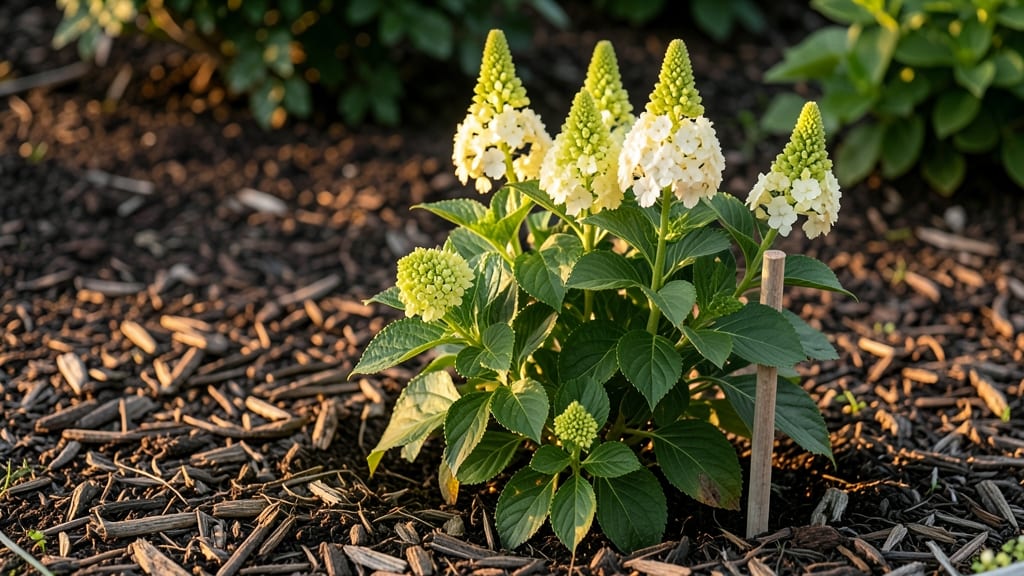
Wondering how tall does the Limelight hydrangea grow? This striking shrub typically reaches a mature height of 3 to 5 feet, though some varieties can stretch toward 6 feet with ideal conditions.
If you’re dreaming of adding bold, fiery blooms to your garden but wondering whether Limelight hydrangeas will tower over your patio or play nicely in containers, you’re in the right place.
These shrubs thrive in partial shade and well-draining soil, and their height depends on pruning habits, sunlight exposure, and the specific cultivar you choose.
Below, we’ll break down exact height ranges, how to control growth, and the best varieties for small spaces or borders—so you can plan your garden with confidence.


Limelight hydrangea height ranges by variety and growing conditions
If you’ve fallen in love with the Limelight hydrangea’s vibrant blooms but are curious about how tall they’ll grow, you’re not alone. This popular Hydrangea paniculata variety can reach impressive heights, but the exact size depends on your growing conditions and pruning habits.
Understanding these factors helps you plan your garden layout—whether you want them as a privacy screen or a container centerpiece.
The standard Limelight hydrangea typically matures between 4 to 6 feet tall, but dwarf varieties like 'Little Limelight' stay compact at 3 to 4 feet. Your sunlight exposure, soil quality, and pruning routine can adjust this height by up to 1-2 feet.
For example, full sun may encourage taller growth, while regular pruning keeps them shorter and bushier.
Here’s a quick breakdown of what to expect based on your garden setup:
| Variety | Mature Height (ft) | Spread (ft) | Best For |
|---|---|---|---|
| Standard Limelight | 4–6 | 3–5 | Borders, hedges, privacy screens |
| 'Little Limelight' | 3–4 | 2–3 | Containers, small gardens, patios |
| 'Limelight Blush' | 5–6 | 4–5 | Backyard focal points, mixed borders |
Your growing conditions play a huge role in how tall your Limelight hydrangea becomes. For instance, planting in full sun (6+ hours/day) can push a standard variety to 6 feet, while partial shade (4–6 hours/day) keeps it closer to 4 feet.
Rich, moist but well-draining soil also encourages healthier growth, while poor soil may stunt its height by 1–2 feet. Always amend your soil with compost to support optimal growth.
Pruning is another game-changer. If you prune aggressively in late winter, you can reduce a standard Limelight’s height by 20–30%. For example, cutting back 1/3 of the stems to a strong bud will encourage bushier growth.
On the other hand, minimal pruning (just removing dead wood) lets the plant reach its full height. Always use sterilized pruners to avoid disease.
For container gardening, choose dwarf varieties like 'Little Limelight' to avoid overcrowding. A 15–20 gallon pot gives roots enough space to thrive, but remember: containers dry out faster, so water deeply every 3–5 days in summer.
If you’re growing in the ground, space plants 4–6 feet apart to prevent competition and allow airflow, which reduces disease risk.
In hot climates (Zones 7–9), Limelight hydrangeas may grow taller but benefit from afternoon shade to prevent leaf scorch. In cooler zones (4–6), they’ll grow more slowly but still reach their mature height with proper care.
Mulching around the base with 2–3 inches of organic mulch helps retain moisture and regulates soil temperature, supporting consistent growth.
If you’re planning a hedge or screen, standard Limelight hydrangeas are perfect—their 4–6 foot height creates a lush, seasonal barrier. For a low-maintenance look, let them grow naturally and prune lightly each year.
But if you want a neat, manicured appearance, prune annually in late winter or early spring before new growth begins.
One common mistake is assuming all Limelight hydrangeas grow the same size. 'Limelight Blush', for example, tends to be slightly taller than the original variety, while 'Little Limelight' stays compact.
Always check the tag when buying to match your space. With the right variety and care, you can enjoy these stunning shrubs at exactly the height that fits your garden vision!
🌸
How to control Limelight hydrangea height: pruning tips for compact growth
Limelight hydrangeas (Hydrangea paniculata 'Limelight') can reach 4 to 6 feet tall if left unchecked, but with the right pruning techniques, you can easily shape them to fit your space. Whether you want a 3-foot tall specimen for containers or a 5-foot hedge, pruning is your best tool.
The key is timing—prune at the right moment to encourage compact growth while preserving those stunning fire-colored blooms.
Most gardeners make the mistake of pruning too late or too aggressively, which can stunt blooms or leave the plant vulnerable. Instead, focus on late winter or early spring pruning (just before new growth starts) to maintain height while promoting strong, healthy stems.
For a more dramatic size reduction, you can also prune right after flowering, but this requires a gentler approach to avoid sacrificing next year’s blooms.
Decide whether you want aggressive height reduction (3–4 ft) or moderate shaping (4–5 ft). Aggressive pruning involves cutting back 1/3 of the plant’s height, while moderate pruning removes only dead or overgrown stems.
Timing is critical. Prune just before buds swell (typically February to March in most climates). This ensures you’re cutting back old wood while encouraging new growth from the base.
Always use bypass pruners or loppers to make clean cuts at a 45-degree angle. Avoid tearing stems, which can invite disease. Sterilize tools with rubbing alcohol between cuts.
Look for swollen buds at the base of stems—these indicate where new growth will emerge. Cut just above these buds to encourage bushier, more compact growth.
Eliminate any dead, diseased, or crossing branches to improve airflow and reduce crowding. This step is especially important for container-grown Limelights, where space is limited.
Apply a balanced fertilizer (10-10-10) to support new growth. Water deeply to help the plant recover and establish strong roots for the upcoming season.
If you’re aiming for a dwarf Limelight hydrangea, consider planting a container-grown variety like 'Little Lime' (which tops out at 3–4 feet) and prune lightly each year to maintain its shape.
For larger gardens, you can let your Limelight grow taller but prune selectively to encourage wider growth rather than height.
Remember, over-pruning can stress the plant, so always leave at least one-third of the plant’s height intact. With consistent care, your Limelight hydrangea will thrive at your desired height while still delivering those vibrant, long-lasting blooms you love. 🌿✂️