
Pests
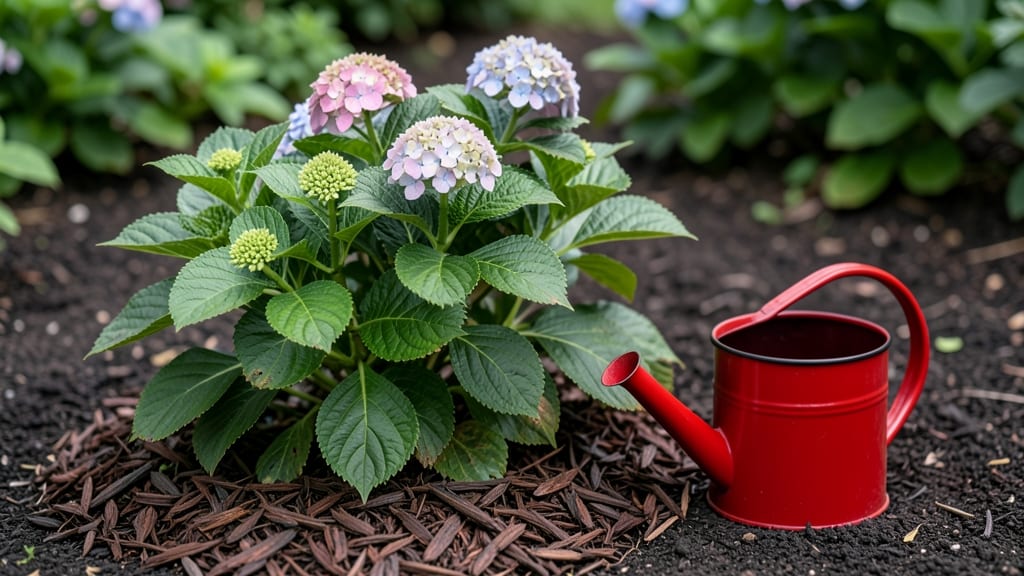
Here’s how to keep hydrangeas alive—your secret starts with soil pH and watering habits, because I’ve lost more than I’d admit before cracking the code. 💧 The trick isn’t just fertilizer or pruning; it’s creating the right acidic environment where roots thrive and blooms explode with color.
My plants now produce football-sized blooms every summer, and the technique is simpler than it sounds.
The biggest mistake? Treating hydrangeas like other shrubs. They demand consistent moisture (never soggy, never dry) and acidic soil (aim for pH 5.2–6.0). Most gardeners overwater or use alkaline soil, which causes yellow leaves and stunted growth.
I test my soil every spring and adjust with sulfur or peat moss—it’s the difference between sad stems and show-stopping blooms.
By summer, you’ll see lush foliage and buds forming earlier than ever. The blooms stay vibrant longer, and the plant resists common pests like lacewings and spider mites. Even in hot climates, these adjustments keep hydrangeas thriving—no black thumb required.
Works for bigleaf, panicle, and oakleaf varieties alike. Here’s how to diagnose and fix the most common issues before they become permanent problems.
📚 In This Guide
- What you need
- Instructions
- Tips and common mistakes
- Wrapping up and next steps
What you need
- ● Hydrangeas: Choose healthy plants (potted or bare-root) from a nursery. Pro tip: Look for big, green leaves and firm stems.
- ○ Well-draining potting mix: 5–10 gallons, depending on pot size. Optional: Mix in peat moss or pine bark (10–20%) for acidity.
- ● Acid-loving fertilizer: A balanced 10-10-10 or 20-20-20 formula with iron (follow package instructions for dosage).
- ● Lime or sulfur: To adjust soil pH (1–2 lbs per 100 sq ft, depending on your soil’s current pH).
- ● Mulch: Pine needles, oak leaves, or wood chips (2–3 inches thick) to retain moisture and acidity.
- ● Watering can or hose with a gentle spray nozzle: For deep, even watering (avoid overhead sprinklers to prevent fungal issues).
- ● Garden gloves: To protect your hands from thorns and soil.
- ● Pruning shears: Sharp, clean shears for trimming dead blooms or overgrown stems.
- ● pH testing kit: Digital or liquid test strips to monitor soil acidity (aim for 5.2–5.5 for hydrangeas).
- ● Trowel or small shovel: For planting or amending soil in containers.
- ● Neem oil or insecticidal soap: For treating pests like aphids, spider mites, or scale (follow label instructions).
- ● Spray bottle: For diluting neem oil or applying fungicides if needed.
- ● Sunlight knowledge: Hydrangeas thrive in partial shade (morning sun + afternoon shade) or dappled sunlight. Avoid harsh afternoon sun in hot climates.
- ● Watering routine: Commit to consistent moisture—hydrangeas hate drying out! Water 1–2 inches per week (more in extreme heat).
- ● Patience: Hydrangeas can take 2–3 years to reach full bloom potential after planting.
- ● Local climate awareness: Check your USDA hardiness zone (most hydrangeas do well in zones 3–9).
Step-by-Step care for thriving hydrangeas
Here's how to nurture hydrangeas into lush, blooming plants with vibrant color—no guesswork required.
💧 Step 1: Master Watering for Consistent Moisture
Hydrangeas despise dry soil. Water deeply 2-3 times per week during the growing season, ensuring moisture reaches 12 inches down. You'll know it's right when the top 2 inches of soil feel damp but not soggy. Mulch with 2-3 inches of organic matter (like shredded bark) to retain moisture and regulate soil temperature.
Overwatering is just as deadly as underwatering. If leaves yellow or wilt suddenly, check the soil—hydrangeas hate soggy roots. I always water in the morning so foliage dries by evening, preventing fungal issues. If your area gets heavy rain, cut back to once weekly to avoid root rot.
☀️ Step 2: Position for Balanced Sunlight
Most hydrangeas thrive in morning sun with afternoon shade, especially in hot climates. Six hours of filtered light is ideal—direct afternoon sun scorches leaves, while too little light weakens blooms. Watch your plant's response: if leaves turn pale or crisp at the edges, it's getting too much sun.
For cooler climates, full sun (6+ hours daily) works fine. If your hydrangea grows leggy with sparse blooms, it needs more light. I rotate my pots quarter-turn weekly so all sides get even exposure. Container plants may need staking if they lean toward the light.
🌱 Step 3: Feed with Acidic Fertilizer
Hydrangeas crave acidity (pH 5.5-6.2) and regular feeding. Use a balanced, acidic fertilizer (10-10-10 or 20-20-20) every 4-6 weeks during growing season. I mix mine with 1 tablespoon of aluminum sulfate per gallon of water to boost blue flower production—just don't overdo it, as aluminum can build up.
Organic options like coffee grounds or pine needles work too. Stop fertilizing in late summer to encourage next year's buds. Yellow leaves often signal nutrient deficiency—if that happens, flush the soil with water and reapply fertilizer. Always water before and after feeding to prevent root burn.
✂️ Step 4: Prune for Health and Next Year's Blooms
Timing matters: prune late winter or early spring before new growth appears. Cut back 1/3 of the oldest stems to the first set of leaves, and shape the plant by removing dead or crossing branches. I always sterilize my pruners with rubbing alcohol to prevent disease spread.
Never prune after mid-summer—you'll sacrifice next year's flowers. If your hydrangea blooms on old wood (like Bigleaf varieties), avoid heavy pruning. Watch for new growth: when you see 2-3 inches of fresh green shoots, it's time to stop pruning and focus on watering.
🌿 Step 5: Monitor for Pests and Adjust Soil pH
Check leaves weekly for aphids or spider mites—hydrangeas attract them. Blast off pests with a strong spray of water or treat with neem oil if infestations persist. I also inspect stems for sawfly larvae (they look like green caterpillars) and handpick them daily until they disappear.
For vibrant blooms, test soil pH annually. To make flowers blue, add aluminum sulfate (1/4 cup per plant) to acidic soil. For pink blooms, use lime (1/2 cup per plant) to raise pH. I test my soil every spring—if pH drifts outside 5.5-6.2, I adjust immediately. Healthy soil means fewer pests and stronger plants.
Tips & tricks for perfect hydrangea care
Real talk: Even the most experienced gardeners struggle with hydrangeas—here's what nobody tells you about keeping them thriving.
Soil Moisture Secret: The 2-3 inches of mulch in Step 1 isn't just about moisture retention—it's also a temperature regulator. In summer, mulch keeps roots cool, while in winter, it provides insulation against freezing. I've seen hydrangeas with mulch survive winter freezes that killed nearby plants without it. The key is to keep that mulch layer consistently 2-3 inches thick without piling it against the stems.
Light Exposure Hack: If your hydrangea shows signs of sun stress (crispy leaf edges) in Step 2, don't just move it—rotate it. Plants grow toward light, so quarter-turning pots weekly ensures even growth. For container plants, I use a small stake to gently guide leggy growth back toward the center rather than letting them stretch toward the sun.
Fertilizer Timing: The 4-6 week feeding schedule in Step 3 is crucial, but the real magic happens in the timing. I always fertilize right after a deep watering (as mentioned) and then again 2 weeks later. This two-step approach prevents nutrient burn while ensuring steady availability. The late-summer feeding pause is non-negotiable—it's what triggers bud formation for next year's blooms.
Pruning Precision: When pruning in Step 4, look for the "bud scale" right where stems meet branches. Cut just above this bud at a 45-degree angle to encourage new growth. I've ruined too many hydrangeas by cutting too close or at the wrong angle—always make clean cuts with sharp pruners. For Bigleaf varieties, I only remove dead wood and never cut back more than 1/3 of the oldest stems.
Pro Tips for Keep Hydrangeas Alive
- Real talk: Even the most experienced gardeners struggle with hydrangeas—here's what nobody tells you about keeping them thriving.
- Soil Moisture Secret: The 2-3 inches of mulch in Step 1 isn't just about moisture retention—it's also a temperature regulator.
- Light Exposure Hack: If your hydrangea shows signs of sun stress (crispy leaf edges) in Step 2, don't just move it—rotate it.
Frequently asked questions
Got questions about keeping your hydrangeas thriving? You’re not alone! Here are answers to the most common concerns—from soil secrets to seasonal care—so you can enjoy lush blooms all season long.
How often should I water hydrangeas to keep them alive?
Water hydrangeas deeply 2–3 times per week, especially during hot or dry spells. Aim for about 1–1.5 inches of water per session. Morning watering is best to reduce evaporation and fungal risks. Mulch around the base to retain moisture—think of it as a cozy blanket for your plants!
Can I save a hydrangea that’s already struggling or turning brown?
Don’t toss it yet! First, check for overwatering (yellow leaves) or underwatering (crispy edges). Prune dead stems, adjust your watering routine, and amend the soil with peat moss or sulfur to boost acidity. If pests (like aphids) are the culprit, treat with neem oil. Patience is key—healthy regrowth can take 4–6 weeks!
When is the best time to prune hydrangeas for longevity?
Timing matters! For old wood bloomers (like Bigleaf hydrangeas), prune right after flowering (late summer/early fall) to avoid cutting off next year’s buds. For new wood bloomers (like Panicle or Smooth hydrangeas), prune in late winter or early spring before new growth starts. Always use clean, sharp shears!
Do hydrangeas need acidic soil? What if my soil isn’t acidic?
Yes! Hydrangeas thrive in soil with a pH of 5.0–6.0. Test your soil with a kit (available at garden centers). To acidify, mix in peat moss, pine needles, or aluminum sulfate (follow package instructions). For a quick fix, soak the soil with vinegar or coffee grounds (1:1 ratio with water).
What pests or diseases commonly attack hydrangeas, and how do I prevent them?
Watch for aphids, slugs, and powdery mildew—common troublemakers! Prevent pests with neem oil or insecticidal soap. For mildew, improve airflow and avoid overhead watering. If leaves yellow or wilt, check for root rot (from overwatering) or bacterial wilt (remove infected plants immediately). Early action keeps your hydrangeas pest-free!
Wrapping up and next steps
Keeping your hydrangeas thriving is all about understanding their needs—whether it’s adjusting soil pH, protecting them from pests, or giving them the right amount of sunlight and water. With patience and the right care, you’ll be rewarded with stunning blooms that steal the show in your garden. 🌸
Ready to put these tips into action? Start by checking your hydrangeas today—give them a little extra love, and watch them flourish! Need more inspiration? Explore our guide on seasonal hydrangea care to keep those vibrant blooms coming year after year.