
How To
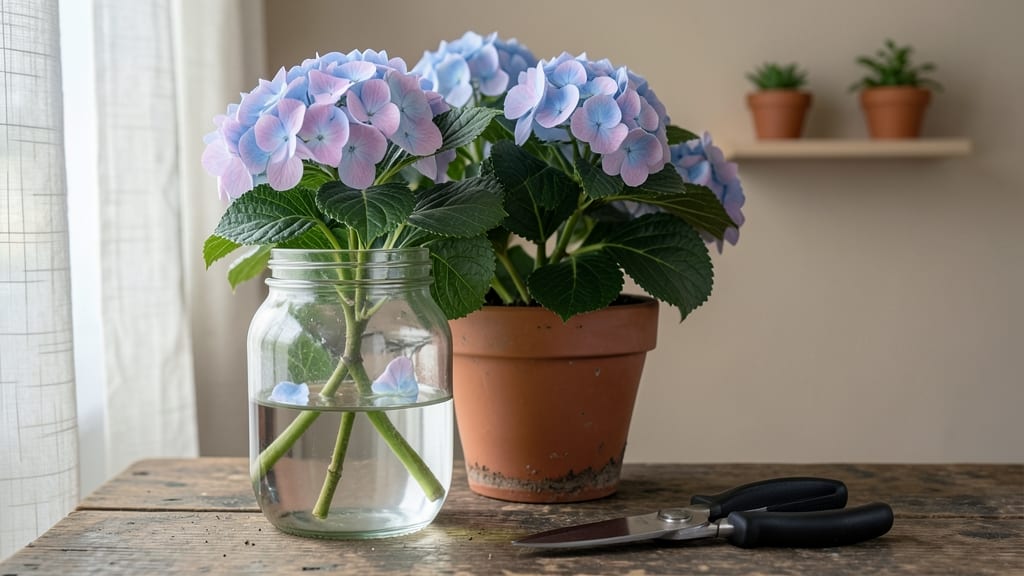
Preserving hydrangeas with glycerin turns summer blooms into winter keepsakes that smell as fresh as the day you cut them. 🌸 I’ve saved dozens of my favorite clusters this way—some still vibrant after two full years—and the process is simpler than you’d think.
No fancy equipment or chemical treatments required, just a few household items and a little patience.
The magic happens when glycerin replaces water in the stems, keeping petals hydrated and their natural pigments locked in. You’ll need fresh-cut blooms, clear glycerin (available at pharmacies), and a clean vase—no special tools beyond what you already have.
The best part? These preserved flowers won’t crisp, fade, or turn brown like traditional dried arrangements.
By the time you’re done, you’ll have flowers that look like they were picked yesterday, perfect for framing, crafting, or simply displaying. The scent lingers too—some varieties even keep a faint fragrance for months. And don’t worry about harming future plants: this method only preserves what you’ve already cut.
Works for all hydrangea types, from lacecaps to mopheads, and scales from single stems to full bouquets. Ready to turn your garden’s fleeting beauty into lasting memories? Let’s get started with the foolproof steps.
📚 In This Guide
- What you need
- Instructions
- Tips and common mistakes
- Wrapping up and next steps
What you need
- ● Fresh hydrangea blooms: Choose fully open, healthy flowers—about 10-20 stems (or as many as you’d like to preserve). Avoid wilting or damaged blooms.
- ● Glycerin (food-grade, 99% pure): 1 cup (240 mL). Look for pharmaceutical or cosmetic-grade glycerin (available at craft stores, pharmacies, or online).
- ● Distilled water: 1 cup (240 mL). Tap water may contain minerals that could affect preservation.
- ○ White vinegar (optional but recommended): 1-2 tablespoons. Helps prevent bacterial growth and extends longevity.
- ● Sharp floral shears or scissors: For clean cuts to maximize water absorption.
- ● Clean glass jars or vases: 1-2 jars with wide mouths (e.g., mason jars, apothecary bottles). Ensure they’re sterilized (boil or use vinegar soak).
- ● Newspaper or paper towels: For drying stems and absorbing excess moisture.
- ● Rubbing alcohol (70% isopropyl): Small amount for sterilizing tools and jars.
- ○ Twine or floral tape: To secure stems if needed (optional for loose blooms).
- ● Food coloring or natural dyes: A few drops to tint the glycerin solution for a custom look (e.g., blue for hydrangeas!).
- ● Preservative powder (e.g., Polyvinylpyrrolidone or PVP): 1 teaspoon to further inhibit mold (available at craft stores).
- ● Floral preservative (commercial): 1 packet (like Floralife) for added longevity.
- ● Glass cloche or dome: To cover preserved blooms and create a mini greenhouse effect (great for humidity control).
- ● Labeling tags: To mark the date and glycerin mixture (helpful for tracking!).
Step-by-step instructions for preserving hydrangeas with glycerin
Here's my foolproof method for keeping those lush hydrangeas fresh for weeks—no wilting, no drooping, just perfect blooms.
🌿 Step 1: Harvest at Peak Freshness
Pick your hydrangeas when they're fully open but still vibrant—usually in the morning after dew has dried. Look for stems with 3-4 inches of length still attached; longer stems last longer. Use clean, sharp scissors or pruners to avoid crushing the stems, which can block water uptake later.
Strip off any leaves that would sit below the waterline in your vase. Wet leaves rot quickly and turn your water cloudy, shortening vase life. I like to leave just the top few leaves to keep the stems looking natural while preventing bacterial growth.
💧 Step 2: Prepare the Glycerin Solution
Mix 1 part glycerin to 2 parts warm water in a clean container. For a standard vase, that's about 1/3 cup glycerin and 2/3 cup water. Warm water helps the glycerin dissolve faster and penetrates the stems more effectively. Stir gently until fully combined—no need to shake vigorously, which creates bubbles.
Here's the thing—glycerin is thicker than water, so pour it into the vase first, then add water. This prevents the glycerin from pooling at the bottom where the stems won't reach it. Fill the vase about 1/3 full with your solution; you'll add water later as needed.
✂️ Step 3: Trim Stems and Submerge Immediately
Recut the stems at a 45-degree angle about 1 inch from the base right before arranging. This fresh cut opens the stem's vascular system, allowing the glycerin solution to absorb more efficiently. Place the stems in the vase and let them soak for at least 6 hours—overnight works best.
Don't skip this soaking step. I've tried skipping it, and the blooms only last about a week instead of the full 3-4 weeks glycerin preservation promises. The longer the stems soak, the longer your hydrangeas will stay vibrant. You'll see the stems start to soften slightly after soaking—that's the glycerin doing its job.
☀️ Step 4: Arrange and Maintain Blooms
After soaking, arrange your hydrangeas in a clean vase with fresh water (no more glycerin needed). Place them in a spot with indirect light—direct sunlight can cause the blooms to fade faster. I keep mine on a side table away from kitchen heat or air conditioning vents, which cause temperature fluctuations that stress the flowers.
Change the water every 3-4 days, even though your flowers won't need it. The glycerin solution lasts longer than water alone, but bacteria still build up. You'll notice the water stays clearer longer with glycerin—another sign it's working. Mist the blooms lightly with water once a week to keep them hydrated from the outside too.
⏰ Step 5: Enjoy Long-Lasting Beauty
Your glycerin-preserved hydrangeas should maintain their color and shape for 3-4 weeks or longer. You'll know it's working when the petals stay crisp and the stems remain firm to the touch. If you see any stems starting to soften or flowers drooping after a week, trim them again and refresh the water.
Real talk: The first time I did this, I got impatient and didn't let the stems soak long enough. My hydrangeas only lasted 10 days instead of the full month. Now I set a reminder to let them soak overnight—it's worth the wait for those perfect, long-lasting blooms.
Tips & tricks for perfect glycerin-preserved hydrangeas
These little details make all the difference between blooms that last a week and ones that stay vibrant for weeks.
Harvesting Matters: The morning after dew has dried is ideal for cutting because the stems are fully hydrated. I always cut just before arranging—never store cut hydrangeas overnight in water. The stems dry out and won't absorb the glycerin solution properly. Also, look for stems with at least 3-4 inches of length; longer stems have more vascular tissue to transport the glycerin throughout the plant.
Solution Prep: Warm water helps glycerin dissolve faster, but don't use boiling water—it can damage delicate stems. I use a clean glass jar to mix the 1 part glycerin to 2 parts water ratio, then pour it into the vase first. This thicker glycerin layer at the bottom ensures the stems get maximum exposure. The 1/3 full vase measurement is perfect—enough to submerge stems but not so much that it becomes unstable.
Soaking Secret: The minimum 6-hour soak is non-negotiable for best results, but overnight is ideal. I've found that stems left to soak for 12 hours or more develop a slight bend at the cut end—that's the glycerin working its magic. If you're short on time, at least 8 hours will give you better results than skipping it entirely. After soaking, you'll notice the stems feel slightly softer to the touch, which means the glycerin has penetrated the vascular system.
Lighting Location: Indirect light is key—direct sunlight causes fading and can even bleach the petals over time. I place my preserved hydrangeas on a side table near a north-facing window where they get soft, diffused light. Avoid kitchen areas with heat sources or air conditioning vents, as temperature fluctuations can cause the stems to absorb water unevenly, leading to uneven wilting.
Pro Tips for Preserve Hydrangeas With Glycerin
- These little details make all the difference between blooms that last a week and ones that stay vibrant for weeks.
- Harvesting Matters: The morning after dew has dried is ideal for cutting because the stems are fully hydrated.
- Solution Prep: Warm water helps glycerin dissolve faster, but don't use boiling water—it can damage delicate stems.
Frequently asked questions
about preserving hydrangeas with glycerin—here’s what you need to know before getting started!Can I use any type of glycerin for preserving hydrangeas?
Not all glycerin works the same! Use food-grade glycerin (like pharmaceutical glycerin or pure vegetable glycerin) with a 99.5% concentration. Avoid cheap, diluted versions—they won’t preserve blooms effectively and may even harm them. Check labels for purity to ensure the best results.
How long will glycerin-preserved hydrangeas last?
With proper care, glycerin-preserved hydrangeas can last 1–2 years in a cool, dry place (like a closet or under a bed). Store them away from direct sunlight and check occasionally for moisture buildup. If stems dry out, a quick soak in glycerin water (1 part glycerin to 2 parts water) can revive them!
What if my hydrangeas turn brown or crispy after glycerin treatment?
Brown or brittle blooms usually mean over-drying or improper glycerin-to-water ratio. If this happens, trim the affected stems and re-soak them in a fresh glycerin solution (1:2 ratio) for 24–48 hours. For severe cases, consider using a revitalizing spray (distilled water + a drop of glycerin) to soften them gently.
Is glycerin the only way to preserve hydrangeas?
Nope! While glycerin is a popular method, you can also try:
- Air-drying: Hang stems upside down in a dark, dry space for 2–4 weeks.
- Silica gel: Submerge blooms in silica crystals for a crisp, long-lasting finish (great for heavy flowers).
- Freeze-drying: Preserves color and texture but requires specialized equipment.
Will glycerin-preserved hydrangeas smell?
Freshly preserved hydrangeas may have a very mild, sweet scent from the glycerin, but it fades quickly. To minimize any odor, ensure your workspace is well-ventilated during the soaking process. Over time, the blooms will smell neutral—like dried flowers, not glycerin.
Wrapping up and next steps
Preserving hydrangeas with glycerin is a simple yet magical way to keep their beauty alive long after they’ve bloomed! With just a few ingredients and a little patience, you can transform wilting flowers into lasting keepsakes that brighten any space.
Whether you’re a gardening enthusiast or a DIY lover, this method is your ticket to long-lasting blooms without fading.
Now that you’re armed with the know-how, why not try it today? Gather your materials, follow the steps, and enjoy the rewarding process of creating your own floral masterpiece. Happy preserving! 🌸✨