
Pruning
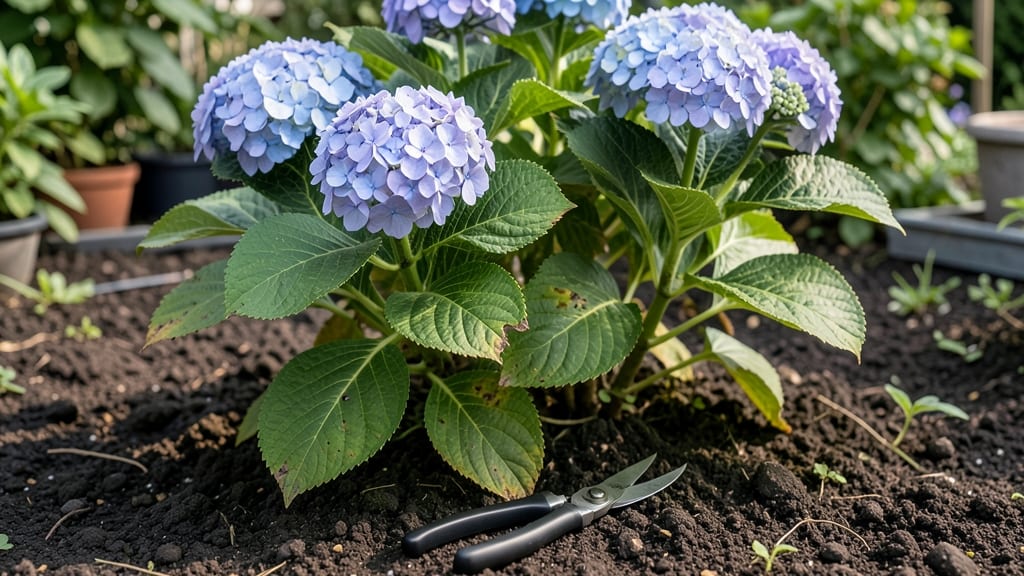
Pruning big leaf hydrangeas in spring is the secret to those jaw-dropping blooms all season long. ✂️ I’ve watched my own bushes go from scraggly to showstopping in just one careful cut—it’s all about timing, technique, and knowing which stems to keep.
The key? Waiting until after last frost but before buds swell, so you’re not cutting off next year’s flowers. You’ll need sharp pruners, clean gloves, and a spray bottle of rubbing alcohol (for disinfecting cuts).
The process is simpler than it looks: remove dead wood first, then thin out crowded stems, and finally shape the bush by cutting just above a leaf node. Skip the old wood—those thick, woody stems won’t rebloom, and cutting them back won’t help.
What you’ll end up with is a bush bursting with vibrant blooms from summer through fall, with fewer floppy stems and more room for air to circulate. The flowers stay fresh longer, and the plant puts all its energy into producing stunning clusters instead of struggling with overgrowth.
This method works for all big leaf varieties, whether you’re dealing with a mature bush or a young one just starting to establish. Here’s how to do it without a single mistake—promise.
📚 In This Guide
- What you need
- Instructions
- Tips and common mistakes
- Wrapping up and next steps
What you need
- ● Bypass pruners – Sharp, high-quality bypass pruners (4-6 inch blades) for clean cuts on smaller stems.
- ● Loppers – Heavy-duty loppers (8-12 inch blades) for thicker branches (½ inch or larger).
- ○ Pruning saw – A curved-tooth pruning saw for stubborn, woody stems (optional but handy for thick growth).
- ● Disinfectant (70% rubbing alcohol or pruning sealant) – A small bottle to clean tools between cuts and prevent disease spread.
- ● Garden gloves – Cut-resistant gloves (size medium or large) to protect your hands from thorns and rough stems.
- ● Garden twine or zip ties – For securing branches if you’re training or shaping the hydrangea.
- ● Wheelbarrow or bucket – To collect pruned branches and debris (10+ gallon capacity recommended).
- ● Pruning shears with ratchet mechanism – Makes cutting thicker stems easier with less effort.
- ● Extension pole pruners – For reaching high branches without a ladder (great for tall hydrangeas!).
- ● Sharpie or marker – To label branches if you’re experimenting with shaping or training.
- ● Compost bin or bag – For recycling pruned material instead of tossing it.
- ● Safety glasses – If you’re dealing with thorny or overgrown hydrangeas.
Step-by-step guide to pruning big leaf hydrangeas in spring
Reviving your big leaf hydrangea's blooms starts with the right cuts—here's how to do it without sacrificing next year's flowers.
✂️ Step 1: Identify Last Year's Blooms and Dead Wood
First, scan your hydrangea for last year's flower clusters—these are the dried blooms still clinging to the stems. Big leaf hydrangeas bloom on old wood, meaning these clusters are where next year's flowers will form. Cutting them off too early removes potential blooms.
Next, locate any dead or damaged branches—these will be brown, brittle, or completely leafless. Use your fingers to gently bend a branch: if it snaps easily or feels hollow, it's dead. Mark these for removal with a small piece of twine or by mentally noting their location.
✂️ Step 2: Remove Dead Branches First
Grab your pruners and cut out the dead branches at their base, making a clean cut just above a bud or outward-facing leaf. This ensures the plant can heal properly and directs new growth outward for a fuller shape. Avoid leaving stubs—hydrangeas heal best from smooth cuts.
Real talk: if a branch is more than half the diameter of the main stem, consider thinning it out instead of removing entirely. Big leaf hydrangeas can handle some heavy pruning, but drastic cuts can stress the plant. Step back occasionally to visualize the shape—you want an open center for airflow and sunlight.
✂️ Step 3: Thin Out Overcrowded or Weak Growth
Now focus on the living branches. Look for crossing branches or ones growing inward—they rub against each other and create weak points. Cut these back to their origin, always making cuts at a 45-degree angle just above a bud or leaf.
Thin out about 20-30% of the oldest stems to encourage new growth. These are the thinner, woodier branches that no longer produce vibrant blooms. You'll know you're doing it right when you see sunlight reaching the center of the plant—this prevents fungal issues and encourages stronger growth.
✂️ Step 4: Lightly Trim Remaining Branches for Shape
For the remaining branches, give them a light trim to shape the plant. Cut back only the tips of the longest stems by about one-third. Avoid heavy pruning—big leaf hydrangeas bloom on old wood, so drastic cuts reduce next year's flowers. Think of this as a gentle "haircut" rather than a radical makeover.
Here's the thing—if you're unsure which branches to cut, err on the side of caution. It's easier to prune more next year than to revive a plant that's been over-pruned. Step back and admire your work: the goal is a balanced, open shape with plenty of room for new growth.
⏰ Step 5: Clean Up and Apply Post-Pruning Care
Once you're done cutting, collect all the clippings and dispose of them in the trash—not the compost bin. Hydrangea clippings can harbor diseases that might reinfect your plant. Wipe down your pruners with rubbing alcohol to prevent spreading any potential pathogens.
Water your hydrangea deeply after pruning to help it recover. Apply a balanced, slow-release fertilizer around the base to support new growth. Keep an eye out for new buds forming at the base of the plant—these are your promise of next year's blooms. Mulch lightly to retain moisture and protect roots as temperatures fluctuate.
Tips & tricks for perfect big leaf hydrangea pruning
Pruning big leaf hydrangeas can feel intimidating, but these simple tricks will help you achieve stunning blooms without sacrificing next year's flowers.
Timing is Everything: The best time to prune is in late winter or early spring, just as new growth begins to appear. This ensures you're not cutting off potential blooms that may still be dormant. I always aim for the period between February and March when the plant is still dormant but showing signs of waking up. This timing gives your hydrangea enough time to develop new buds for next season's blooms.
Tool Preparation Matters: Always sterilize your pruners with rubbing alcohol before you start pruning. This prevents spreading any potential diseases from one plant to another. I also recommend using sharp, clean pruners—dull blades can crush stems instead of making clean cuts, which stresses the plant. Store your pruners in a dry place between uses to keep them in good condition for next time.
Visualize the Shape: Before you make any cuts, step back and visualize the shape you want to achieve. Big leaf hydrangeas thrive with an open center that allows sunlight and air to circulate. I like to imagine I'm giving the plant a "haircut" that opens up the center while maintaining a balanced silhouette. This approach encourages stronger growth and healthier blooms throughout the season.
Post-Pruning Care: After you've finished pruning, give your hydrangea a deep watering to help it recover from the stress of cutting. I also apply a balanced, slow-release fertilizer around the base to provide nutrients for new growth. This step is crucial for helping your plant bounce back and produce vibrant blooms. Keep an eye on the new buds forming at the base of the plant—they're your promise of next year's beautiful flowers.
Pro Tips for Prune Big Leaf Hydrangeas In Spring
- Pruning big leaf hydrangeas can feel intimidating, but these simple tricks will help you achieve stunning blooms without sacrificing next year's flowers.
- Timing is Everything: The best time to prune is in late winter or early spring, just as new growth begins to appear.
- Tool Preparation Matters: Always sterilize your pruners with rubbing alcohol before you start pruning.
Frequently asked questions
Got questions about pruning your big leaf hydrangeas? You’re not alone! Here are answers to the most common concerns—so you can confidently tackle spring pruning like a pro.
When is the exact best time to prune big leaf hydrangeas in spring?
The ideal window is late winter to early spring (February–March), before new growth emerges. If you miss this, wait until after flowering (late summer) to avoid cutting off next year’s blooms. Pro tip: Prune after the last frost to protect tender new shoots from cold snaps!
What if I prune at the wrong time and cut off all my flowers?
Big leaf hydrangeas bloom on old wood, so aggressive early pruning can indeed remove next year’s flowers. Fix it by:
- Leaving 3–5 strong stems uncut (they’ll produce blooms).
- Pruning only the dead/damaged wood if late to the game.
- Fertilizing in spring to encourage new growth on remaining stems.
Can I prune big leaf hydrangeas the same way as other types (like panicle or oakleaf)?
Nope! Big leaf hydrangeas require gentle pruning—unlike panicle hydrangeas (which bloom on new wood and can be cut harder). For big leaf varieties, focus on:
- Removing only dead, weak, or crossing stems.
- Avoiding heavy cuts to encourage next year’s flower clusters.
- Using sharp, clean tools to prevent disease spread.
What if my hydrangeas don’t bloom after pruning? Troubleshooting tips!
No flowers? Check these fixes:
Issue
Solution
Pruned too late/aggressively
Wait until next year—old wood needs time to recover.
Not enough sunlight
Thin nearby plants or relocate to a sunnier spot (6+ hours/day).
Over/under-fertilizing
Use acidic fertilizer (for blue flowers) or balanced 10-10-10 in spring.
Pests/disease
Spray with neem oil or fungicide if leaves look spotted.
Do I need special tools for pruning big leaf hydrangeas?
Not necessarily! Use:
- A sharp pair of bypass pruners for small stems.
- Loppers for thicker branches (up to 2 inches).
- A sterilized saw for stubborn, woody growth.
Wrapping up and next steps
Pruning your big leaf hydrangeas in spring doesn’t have to be intimidating—just follow these simple steps, and you’ll be rewarded with vibrant blooms all season long! 🌸 By understanding when, how, and why to trim, you’re giving your plant the best chance to thrive.
Now that you’re armed with the knowledge, grab those shears and transform your garden into a lush, colorful oasis.
Ready to take it further? Monitor your hydrangea’s growth throughout the year and adjust pruning as needed. Happy gardening! 🌿