
Pruning
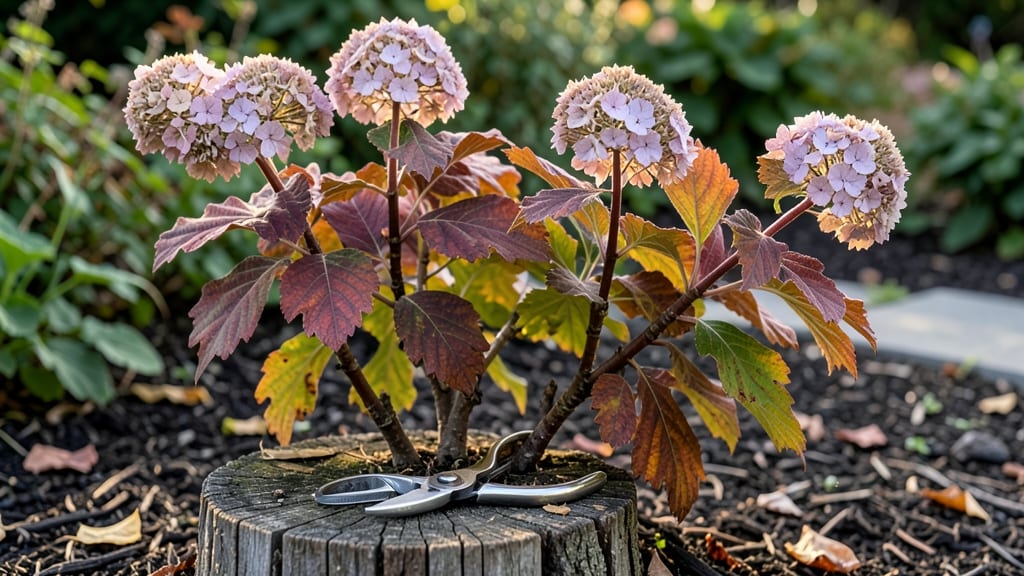
Trimming oak leaf hydrangeas isn’t just about keeping them tidy—it’s the secret to year-round interest, from spring blooms to fiery fall foliage. ✂️ I’ve pruned mine for five seasons, and the difference between a leggy mess and a showstopper shrub comes down to three strategic cuts made at the right time.
Most gardeners overthink it, but oak leaf hydrangeas are forgiving. You’ll need sharp pruners, a ladder (for taller bushes), and a clear day to avoid crushing new growth. The key is timing: prune in late winter or early spring before buds swell, and you’ll encourage lush foliage and abundant blooms.
What you’ll end up with is a plant that blooms in spring, puts on a spectacular fall color show, and keeps its shape naturally. The blooms last longer, the leaves stay healthier, and you’ll spend less time wrestling with overgrowth.
Works for both small patio plants and large landscape shrubs. Here’s how to do it right—without stressing the plant or yourself.
📚 In This Guide
- What you need
- Instructions
- Tips and common mistakes
- Wrapping up and next steps
What you need
- ● Pruning shears: Bypass pruners (sharp, clean, and 5-7 inch blades for precision cuts). Avoid anvil pruners—they crush stems!
- ● Hand pruners: Small, ergonomic pair (for delicate trimming of thin stems or hard-to-reach spots). Look for stainless steel blades.
- ○ Loppers: Optional but helpful for thicker stems (½ inch or larger). Choose bypass-style loppers with 18-24 inch handles.
- ● Garden gloves: Heavy-duty, cut-resistant (e.g., mechanized or Kevlar-reinforced) to protect against thorns and sharp stems.
- ● Disinfectant: 70% isopropyl alcohol or a 10% bleach solution (1 part bleach to 9 parts water) to sterilize tools between cuts.
- ● Rubbing alcohol or hand sanitizer: For quick tool disinfection in the field.
- ● Trash bag or bucket: Large, lined (10+ gallon capacity) to collect pruned branches and debris.
- ● Weather check: Prune on a dry, overcast day or in early morning to avoid stressing the plant.
- ○ Safety gear (optional): Safety glasses (if dealing with thorny or overgrown hydrangeas).
- ● Long sleeves/pants (to protect against scratches).
- ○ Pruning sealant (optional): Tree wound pruning paste (e.g., Tanglefoot Tree Wound Pruning Seal) for large cuts (1+ inch diameter) to prevent disease.
- ○ Notebook/pencil (optional): To sketch a simple pruning map of your hydrangea’s structure before cutting.
- ○ Extension pole (optional): 3-6 foot telescoping pole with bypass pruners attached for high branches.
How to trim oak leaf hydrangea for continuous blooms
Here's the straightforward method I use to keep my oak leaf hydrangeas flowering all season long.
✂️ Step 1: Prune After the First Spring Bloom
Wait until you see the first 2-3 inch blooms appear in early spring—that's your cue. Using sharp pruning shears, cut back the previous year's stems by one-third just above a set of leaves. This encourages new growth while preserving last year's blooms that are already forming.
I always make clean cuts at a 45-degree angle about ¼ inch above the leaf node. This prevents water from pooling on the cut and reduces disease risk. Avoid cutting into old wood—it won't regrow. If you accidentally cut into a stem with no green growth, you've gone too far.
✂️ Step 2: Light Summer Pruning to Shape and Encourage New Growth
After the initial spring bloom, wait until late June or early July when you notice new growth emerging from the base. At this point, trim back any leggy stems by half their length to encourage bushier, fuller growth. This is when you'll see the most dramatic transformation—your plant will fill out quickly.
Here's the thing—I never remove more than 30% of the plant's total foliage in one session. Oak leaf hydrangeas respond well to gradual shaping. If you see stems growing toward the center of the plant, cut them back completely to open up the center for better air circulation and light penetration.
✂️ Step 3: Final Late-Summer Pruning for Next Season's Blooms
In late August or early September, after your plant has finished its summer blooms, give it one final trim. Cut back all stems by one-third again, but this time focus on removing any dead or crossing branches. This prepares the plant for next year's growth while maintaining its shape.
I always step back and look at the plant from all angles before making any cuts. Oak leaf hydrangeas have beautiful exfoliating bark, so I preserve interesting stems that add winter interest. Remove only what's necessary to maintain an open, airy structure—this prevents overcrowding and improves bloom quality.
🌿 Step 4: Clean Up and Prepare for Winter
After your final pruning in fall, remove all debris from around the plant and apply a 2-3 inch layer of mulch to protect the roots. This is also when I check for any remaining flower buds that might have formed for next year. If you see any, leave them be—they'll bloom early next spring.
Don't worry about shaping perfectly in fall. The goal is simply to remove any dead or diseased wood. Oak leaf hydrangeas are remarkably resilient and will bounce back beautifully in spring. I've found that less aggressive fall pruning actually results in stronger growth the following year.
Tips & tricks for perfect oak leaf hydrangea trimming
Here's what nobody tells you about keeping your oak leaf hydrangea looking its best all season long.
Timing is Everything: That first spring prune in Step 1 should happen the moment you see those 2-3 inch blooms—no earlier, no later. I've learned this the hard way after accidentally pruning too early and losing potential blooms. The key is patience: wait until you're certain those buds are ready to open fully before making your cuts. This ensures you're not removing any next year's blooms that might already be forming.
The 45-Degree Angle Secret: When making your cuts during Step 1, that 45-degree angle isn't just for looks—it's about plant health. The slanted cut prevents water from pooling on the stem, which dramatically reduces the risk of fungal infections. I always use sharp pruning shears to make clean cuts at about ¼ inch above the leaf node. Dull shears crush stems and create jagged edges that invite disease.
Visual Growth Cues: In Step 2, when you're looking for new growth emerging in late June or early July, focus on the stems that have elongated significantly since spring. These are your "leggy" stems that need cutting back by half. I look for stems that are noticeably longer than the others and growing toward the center of the plant—these are the ones that need attention. The goal is to create a balanced shape while encouraging bushier growth from the base.
Fall Pruning Philosophy: The most common mistake I see in Step 4 is over-pruning in fall. Remember, oak leaf hydrangeas are tough—they can handle some neglect. Instead of trying to create a perfect shape, focus on removing only dead, diseased, or crossing branches. Those interesting stems with exfoliating bark add winter interest and won't affect next year's blooms. Less aggressive fall pruning actually results in stronger growth the following spring.
Pro Tips for Trimming Oak Leaf Hydrangea
- Here's what nobody tells you about keeping your oak leaf hydrangea looking its best all season long.
- Timing is Everything: That first spring prune in Step 1 should happen the moment you see those 2-3 inch blooms—no earlier, no later.
- The 45-Degree Angle Secret: When making your cuts during Step 1, that 45-degree angle isn't just for looks—it's about plant health.
Frequently asked questions
Got questions about trimming your oak leaf hydrangea? You’re not alone! Here are the most common concerns—and straightforward answers—to keep your plant thriving year after year.
When is the best time to trim oak leaf hydrangea?
Trim your oak leaf hydrangea late winter or early spring (just before new growth appears). This ensures you remove dead stems while leaving the plant ready to bloom. Avoid pruning in fall—it can stimulate tender new growth that won’t survive winter. For year-round blooms, a light trim after each flush of flowers (late summer) also works!
How much should I cut back oak leaf hydrangea?
Oak leaf hydrangeas are hardy cutters—you can trim up to ⅓ of the plant without harm. For mature plants, aim to cut back old wood to 6–12 inches from the ground. Younger plants benefit from selective pruning to shape them, focusing on removing dead or crossing branches first.
What if I prune at the wrong time?
Don’t panic! Pruning too late (after buds form) may delay blooms, but oak leaf hydrangeas are forgiving. If you accidentally trim in summer or fall, the plant will still recover—just expect fewer flowers that season. For next year, stick to the late winter/early spring rule for best results.
Can I shape oak leaf hydrangea like other shrubs?
Unlike mophead or panicle hydrangeas, oak leaf varieties thrive with creative shaping. Use hand pruners to thin out dense areas and encourage airflow. For a natural look, mimic its layered, woodland form. Just avoid shearing—it can make stems woody and reduce blooms.
Why isn’t my oak leaf hydrangea blooming after pruning?
Bloom issues often stem from over-pruning or nutrient deficiencies. Check these fixes:
Oak leaf hydrangeas bloom on old and new wood, so even pruned stems can produce flowers!
Wrapping up and next steps
Trimming your oak leaf hydrangea doesn’t have to be intimidating—just a few strategic cuts can transform your plant into a blooming powerhouse! 🌿 With the right tools, timing, and technique, you’ll enjoy vibrant flowers year after year.
Now that you’re armed with the secrets, grab those shears and give your hydrangea the care it deserves.
Ready to see the magic? Start with one section at a time—confidence grows with practice! For extra inspiration, snap a photo of your progress and tag us @GardenGuru—we love cheering on your green thumbs! 🌸