
Aphids
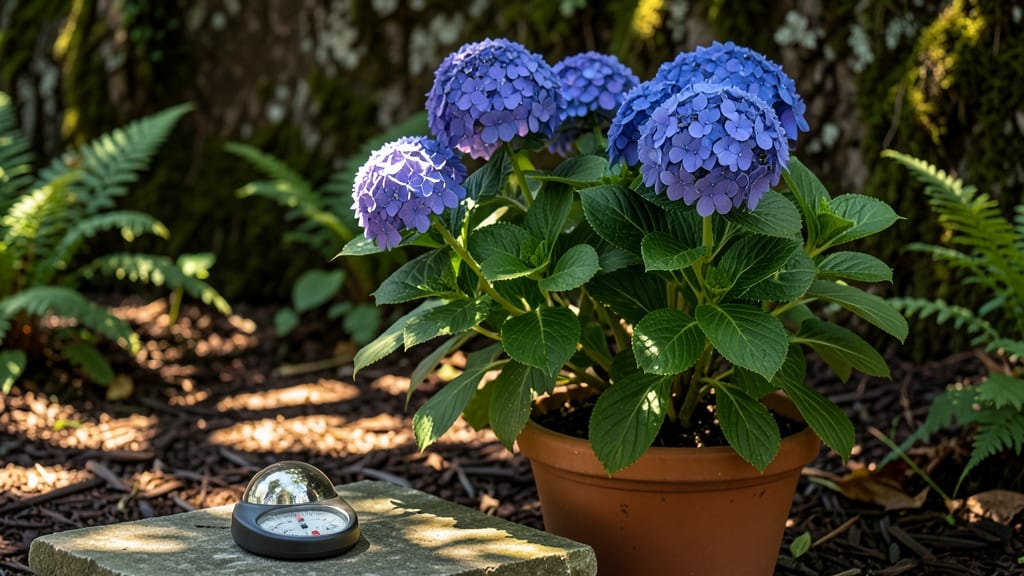
Hydrangeas thrive with the right sunlight balance, where morning sun and afternoon shade create the perfect bloom recipe 🌸 — and getting it wrong can leave you with sad, sparse flowers.
You’ve probably seen hydrangeas struggling in full sun, their leaves crisping or blooms fading early. That’s because these beauties prefer a gentle touch—morning sun fuels their growth, while harsh afternoon rays can scorch their delicate leaves.
Not all hydrangeas are created equal, though. Mophead varieties love a bit more shade than lacecaps, and your local climate plays a huge role too—hot zones like Zone 9b need extra afternoon protection.
In this guide, I’ll break down the exact sunlight needs for your hydrangeas, how to spot when they’re getting too much (or too little), and simple fixes to keep them blooming like a pro.

How much morning sun do hydrangeas need for optimal growth?
Hydrangeas are the showstoppers of summer gardens, but their sunlight needs often get overlooked. While they love morning sun, too much afternoon heat can stress them—especially in hot climates.
The key lies in understanding how photosynthesis efficiency shifts with sun exposure. Unlike full-sun plants, hydrangeas thrive on gentle morning light that warms their leaves without scorching them.
Most hydrangeas prefer 4-6 hours of sunlight daily, but the timing matters more than you think. Morning sun provides cool, indirect rays that hydrate leaves, while harsh afternoon sun can bleach petals and wilt stems.
This balance is why east-facing gardens often produce the most vibrant blooms. Let’s break down the sunlight needs by variety to help you position your plants perfectly.
| Variety | Morning Sun Needs | Afternoon Sun Tolerance | Best Location |
|---|---|---|---|
| Mophead (e.g., 'Nikko Blue') | 4-5 hours | Low (scorches leaves) | East side of house or dappled shade |
| Lacecap (e.g., 'Vanille Fraise') | 3-4 hours | Moderate (needs afternoon shade) | Under tall trees or pergolas |
| Panicle (e.g., 'Limelight') | 5-6 hours | High (tolerates full sun) | South or west exposure with afternoon shade |
Science backs up this morning sun preference. During photosynthesis, hydrangea leaves absorb blue light wavelengths most efficiently in cooler morning temperatures. Afternoon sun spikes UV radiation, which can damage chlorophyll and reduce bloom quality.
In Zone 8+ climates, this effect is even more pronounced—hydrangeas may wilt by noon if exposed to full afternoon sun.
For mophead hydrangeas, like the classic 'Endless Summer', aim for 4-5 hours of morning sun followed by dappled shade. Place them near east-facing windows or under light-filtering trees like Japanese maples.
If your garden gets intense afternoon heat, a white lattice screen can diffuse sunlight while still allowing airflow.
Lacecap varieties, such as 'Vanille Fraise', are slightly more shade-tolerant but still benefit from 3-4 hours of morning light. These hydrangeas often bloom on old wood, so avoiding afternoon stress ensures longer-lasting flowers.
In urban gardens with limited space, consider container growing near a north-facing wall to maximize morning exposure.
Panicle hydrangeas, including 'Limelight' and 'Little Lime', are the most sun-tolerant variety. They can handle 5-6 hours of morning sun plus 2-3 hours of afternoon sun, making them ideal for sunnier landscapes.
However, even these varieties will thrive better with afternoon shade in hotter regions. Try planting them 10 feet from a building to block harsh western sun.
Regional adjustments are crucial. In Pacific Northwest gardens, hydrangeas often get too much shade—supplement with a grow light for 4 hours daily in winter. Conversely, in Arizona or Texas, afternoon shade cloth (30-50% shade) can prevent leaf burn while still allowing morning sun to fuel growth.
Pro tip: Observe your hydrangea’s leaf color. Yellowing leaves signal too much sun, while pale, weak stems mean insufficient light. Adjust gradually—sudden changes can shock the plant. For container-grown hydrangeas, rotate pots weekly to ensure even sunlight exposure on all sides.
Remember, hydrangea blooms are a direct response to sunlight. More morning sun = bigger, brighter flowers, but only up to a point. Strike that golden balance, and your hydrangeas will reward you with season-long color—no greenhouse tricks required. 🌸
Signs your hydrangeas aren’t getting the right sunlight (and how to fix it)
Your hydrangeas might be sending you SOS signals through their leaves and blooms. Too much sun causes crispy brown edges, while too little leads to sparse, weak flowers. Even morning sunlight can be tricky—too intense or too brief, and your plants react.
I’ve seen hydrangeas wilt under hot afternoon rays or struggle to bloom when tucked too far into shade. The key is finding that sweet spot of 4-6 hours of gentle morning light.
First, check your hydrangea’s leaf color. Yellowing leaves often mean too much sun, while pale or weak foliage signals insufficient light. Faded or small blooms are another red flag—your plant is telling you it’s not getting the energy it needs.
Even weak stems can be a sign of sunlight stress. If you notice these, it’s time to adjust your plant’s light exposure before the damage worsens.
⚠️ callout warning
Over-exposure causes leaf scorch (brown, crispy edges) and stunted growth. Under-exposure leads to leggy stems and fewer blooms. Fix it fast: Move plants gradually (don’t shock them!) and prune dead stems to redirect energy. In hot climates, afternoon shade is a must!
For over-sun exposure, start by providing afternoon shade using a sheer curtain or nearby trees.
If your hydrangeas are in containers, move them to a spot with dappled sunlight, like under a patio umbrella. Mulch around the base to keep roots cool—this helps hydrangeas retain moisture when exposed to too much light.
I’ve seen dramatic improvements in just a few weeks by making these simple adjustments.
If your hydrangeas are under-exposed, gradually increase their sunlight. Start with 2-3 extra hours of morning sun per week and monitor their response. Avoid sudden moves, as this can stress the plant. For indoor hydrangeas, place them near an east-facing window where light is bright but not harsh.
If you’re in a shady yard, consider reflective surfaces like white walls or mirrors to bounce more light onto the plant.
Seasonal sunlight management is also crucial. In summer, hydrangeas need more shade protection, while in spring and fall, they can handle slightly more direct light. Prune in late winter to shape the plant and encourage stronger growth toward sunlight.
Always remove dead or weak stems—this helps the plant focus energy on healthy blooms rather than struggling foliage.
Don’t forget to rotate containers every few weeks so all sides get even light exposure. If you’re unsure whether your hydrangeas are getting enough sun, use a light meter (or a simple phone app) to track 4-6 hours of morning light.
With the right adjustments, your hydrangeas will reward you with vibrant blooms and lush foliage all season long.