
Pruning
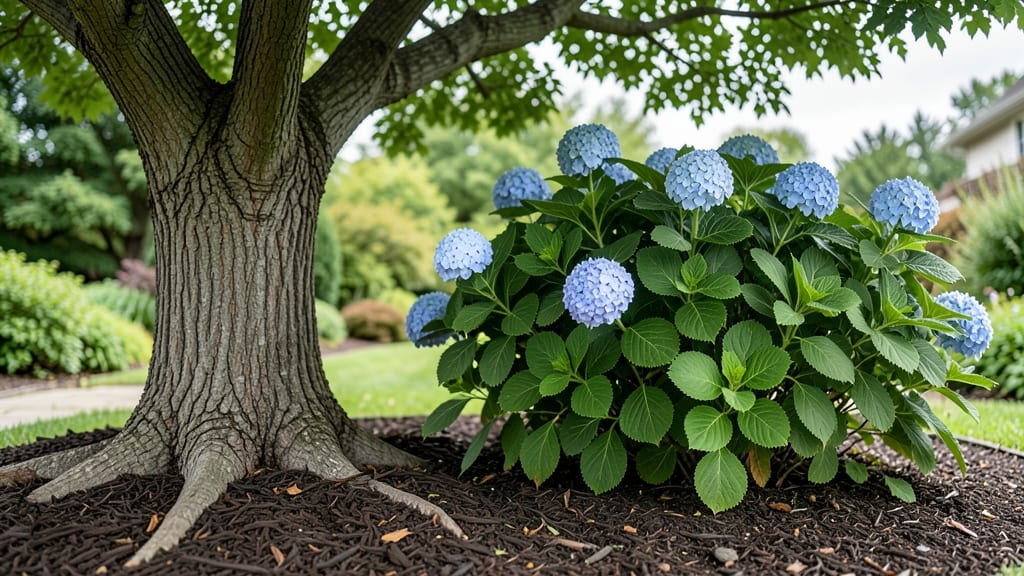
Planting hydrangeas around trees creates a lush, ever-changing privacy screen that outshines anything you'd buy in pots. 🌿 The key is understanding how their roots interact with trees—hydrangeas thrive in the dappled shade while avoiding direct competition.
I learned this the hard way when my first attempt flopped from poor spacing, but now my yard has a year-round showstopper that barely needs pruning.
The magic happens with 3-4 feet of spacing between hydrangea roots and tree trunks, plus a thick layer of mulch to protect both. Pair bigleaf hydrangeas with shade-tolerant companions like ferns or astilbes, and you'll create texture that changes with every season.
The soil stays moist longer, roots stay happy, and you avoid the dreaded "hydrangea drought" that kills so many plants.
By summer, you'll have a wall of blooms that transitions from white to pink to deep purple as the pH shifts—nature's own color-changing display. The foliage stays lush through fall, and even winter brings interest with seed heads or evergreen companions.
It's the kind of garden feature that makes neighbors stop and ask, "What's your secret?"
Works for any mature tree with partial shade, from oaks to maples to fruit trees. The only real rule is patience—give it a year before expecting full coverage, and you'll have a screen that looks expensive but costs nothing but time. Let's get planting!
📚 In This Guide
- What you need
- Instructions
- Tips and common mistakes
- Wrapping up and next steps
What you need
- ● Hydrangeas: 6–12 hydrangea macrophylla or paniculata plants (depending on tree size and desired density). Choose large-leaf or panicle types for fuller coverage.
- ○ Optional: Dwarf varieties (e.g., Endless Summer) if space is limited.
- ● Soil Amendments: 5–10 lbs. organic compost or peat moss per plant (improves drainage and fertility).
- ● 1 lb. slow-release fertilizer (10-10-10 or acid-loving plant formula).
- ● Mulch: 2–3 inches of pine bark or wood chips (helps retain moisture and regulate soil temp).
- ● Hand trowel (for digging small holes).
- ● Garden shovel or spade (for larger planting areas).
- ● Pruning shears (sharp, bypass-style for clean cuts).
- ● Loppers (for thicker stems, if pruning established plants).
- ● Measuring tape (to space plants 3–5 feet apart).
- ● Garden hose or watering can (for post-planting hydration).
- ○ Optional: Tree guard or root barrier (if planting near a young tree’s root zone).
- ● Stakes and landscape fabric (for temporary support if needed).
- ● Sunlight: Choose a spot with partial shade to full sun (varies by hydrangea type).
- ● Tree compatibility: Ensure the tree’s root system won’t compete aggressively (avoid planting too close to fast-spreading roots).
- ● Soil pH: Test soil for acidity (hydrangeas thrive in pH 5.2–6.0; amend with sulfur if needed).
- ● Water source: Access to consistent watering (especially in the first year).
How to plant hydrangeas around a tree for year-round privacy
Here’s my go-to method for creating a lush, low-maintenance privacy screen that thrives around mature trees.
🌱 Step 1: Choose the Right Hydrangea Varieties
For year-round interest, I mix oakleaf hydrangeas (for stunning fall color) with panicle hydrangeas (for late-season blooms). Both tolerate shade and tree roots better than other types. Plant 4 bushes (one per cardinal direction) to create balanced coverage. Space them 6-8 feet apart—close enough to fill gaps but far enough to avoid root competition.
Dig holes twice as wide as the root ball but only as deep as the container. This prevents burying the crown, which causes rot. I always loosen the roots slightly before planting—it helps them establish faster in rocky or compacted soil near trees.
☀️ Step 2: Prepare the Planting Site
Hydrangeas need morning sun and afternoon shade—perfect for tree edges. Test the soil pH (aim for 5.5-6.2 for blue blooms or 6.5-7.0 for pink). Amend the hole with 3 inches of compost mixed into the native soil. This improves drainage while keeping moisture near tree roots.
Add a 2-inch layer of mulch (not wood chips—use pine straw or shredded leaves) around the base, keeping it 6 inches away from the trunk. Mulch too close smothers the tree and invites pests. Water deeply right after planting to settle the soil and remove air pockets.
💧 Step 3: Water and Fertilize for Establishment
Water twice weekly for the first month, then taper to once weekly once new growth appears. Hydrangeas near trees often dry out faster because roots compete for moisture. I check soil 2 inches down—if it’s dry, water again. Overwatering here leads to root rot, especially in heavy clay.
Fertilize lightly in early spring with a balanced 10-10-10 formula (½ cup per bush). Too much nitrogen makes them leafy but flowerless. Avoid fertilizing after mid-July—it encourages tender growth that won’t survive winter. I also add Epsom salt (1 tablespoon per gallon of water) monthly to boost bloom intensity.
✂️ Step 4: Prune for Shape and Health
Prune oakleaf hydrangeas in late winter (before buds swell) to remove dead wood and shape the bush. Cut back old wood (last year’s stems) by ⅓ to encourage new growth. For panicle hydrangeas, prune in early spring—cut back last year’s blooms to the first set of leaves to promote larger flowers later.
Never prune in fall—you’ll cut off next year’s buds. I also remove any suckers growing at the base of the tree. These steal nutrients from both plants. If a hydrangea looks stressed, I prune just 10% of the bush to reduce shock.
🌿 Step 5: Maintain Year-Round Beauty
Leave oakleaf hydrangea seed heads through winter—they add texture and wildlife value. For panicle types, cut back old blooms in late winter to make room for new growth. In summer, watch for aphids (tiny green bugs on new shoots). Spray with neem oil if they appear—it’s safer than chemicals near trees.
Every 2-3 years, top-dress with 1 inch of compost in early spring. This replenishes nutrients without overfeeding. If your hydrangeas bloom small or late, they’re likely root-bound—gently loosen the roots in spring to encourage outward growth.
Tips & tricks for perfect hydrangea privacy screens
Creating a lush privacy screen around a tree takes planning—here's how to avoid common pitfalls and get it right the first time.
Variety Matters: Oakleaf hydrangeas bring fall color while panicle types extend your blooming season. I always plant them in pairs (two oakleaf, two panicle) for balanced coverage. This combo ensures you have foliage interest year-round, even when one type isn't blooming. The 6-8 foot spacing between plants is crucial—it gives each bush room to grow without competing for nutrients with the tree.
Root Care is Critical: Loosening the roots before planting makes all the difference in rocky or compacted soil near trees. I use my fingers to gently tease apart any circling roots—this helps them establish faster and prevents girdling. The holes should be twice as wide as the root ball but only as deep as the container to avoid burying the crown, which leads to rot. Think of it like giving your hydrangeas a cozy but not suffocating home.
Mulch Placement Matters: The 2-inch layer of mulch (pine straw or shredded leaves) should stay 6 inches away from the tree trunk. Too close and you'll smother the tree while inviting pests. I always create a donut-shaped mulch ring around each hydrangea, keeping it clear of the trunk. This protects the roots while preventing moisture buildup that causes rot. And remember—mulch breaks down over time, so you'll need to refresh it every spring.
Watering Wisdom: Those first two weeks are critical—water twice weekly to help roots establish. I check soil moisture 2 inches down with my finger; if it's dry, water again. The key is consistent moisture without waterlogging. After the first month, you can taper to once weekly, but always adjust based on your local climate. Hydrangeas near trees often dry out faster because their roots compete with the tree for moisture.
Pro Tips for Hydrangea Around Tree
- Creating a lush privacy screen around a tree takes planning—here's how to avoid common pitfalls and get it right the first time.
- Variety Matters: Oakleaf hydrangeas bring fall color while panicle types extend your blooming season.
- Root Care is Critical: Loosening the roots before planting makes all the difference in rocky or compacted soil near trees.
Frequently asked questions
Got questions about planting hydrangeas around trees for year-round privacy?
You’re not alone! Here are answers to the most common concerns—from spacing to seasonal care—so you can create a lush, low-maintenance screen with confidence.
How close can I plant hydrangeas to a tree?
Keep hydrangeas at least 3–5 feet away from tree trunks to avoid root competition and give them space to thrive. Larger trees (like oaks or maples) need even more distance—aim for 6+ feet. Hydrangeas are shallow-rooted, so they won’t strangle tree roots, but proximity can stress both plants.
When is the best time to plant hydrangeas near trees?
Plant in early spring or fall when soil is workable but not frozen. Avoid summer heat or winter cold, which can shock roots. If planting in fall, do it 6–8 weeks before frost to let roots establish. Spring planting gives hydrangeas a full growing season to adapt to their new spot.
Will hydrangeas block enough light for privacy?
Yes! Mature hydrangeas (especially panicle or oakleaf varieties) grow 6–12 feet tall and wide, creating a dense, year-round screen. For faster results, plant in a staggered pattern (e.g., 3–5 plants per tree) and mulch heavily to encourage bushiness. Pair with evergreens like arborvitae for full-season coverage.
Why are my hydrangeas near the tree turning yellow or wilted?
Yellowing or wilting often signals root competition, overwatering, or poor drainage. Check soil moisture—hydrangeas hate soggy roots. If the tree’s roots are aggressive (common with willows or pines), add compost or mulch to create a root barrier. Yellow leaves can also mean iron deficiency—try a chelated iron supplement if soil pH is high.
What’s a low-maintenance alternative to hydrangeas for tree-side privacy?
If hydrangeas seem high-maintenance, try:
- Boxwoods – Evergreen, drought-tolerant, and great for hedges.
- Abelia – Fast-growing, disease-resistant, and blooms spring to fall.
- Dwarf Fothergilla – Fragrant spring blooms and fiery fall foliage.
- Spirea (e.g., ‘Goldflame’) – Hardy, sun-loving, and low-pruning needs.
Wrapping up and next steps
Planting hydrangeas around a tree isn’t just a smart landscaping move—it’s a low-maintenance, high-reward way to add year-round privacy and beauty to your space. With the right variety, spacing, and care, you’ll enjoy lush foliage, stunning blooms, and minimal pruning for seasons to come. 🌿✨
Ready to transform your yard? Start by sketching your design, gathering your supplies, and selecting the perfect hydrangea varieties for your climate. Then, roll up your sleeves—your dream privacy screen is just a few steps away!