
Flowers
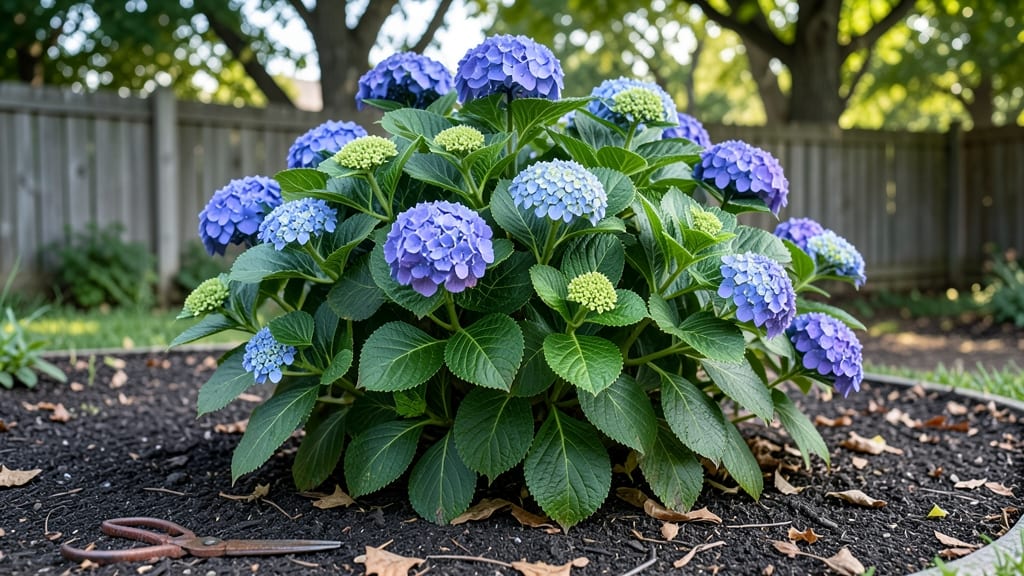
Your hydrangea blooms turning green isn't a lost cause—it's a fixable sign your plant is crying out for help. 🌿 I've seen this happen after years of gardening, and the good news? It's usually one of three simple issues we can address without losing the plant.
The most common culprits are too much nitrogen, a magnesium deficiency, or even a fungal infection. Over-fertilizing with nitrogen-heavy feed can turn those gorgeous pink or blue blooms into sad green blobs.
Magnesium deficiency shows up as yellowing between leaf veins, and fungal issues might leave a powdery residue on the stems. Start by checking your soil pH—hydrangeas need 5.2-6.2 for vibrant colors. A quick soil test kit from the garden center will tell you everything you need.
Then, adjust your fertilizer: swap that high-nitrogen feed for a balanced formula or one with extra magnesium. Prune any severely affected blooms to redirect the plant's energy. Once you correct the issue, your hydrangeas will bounce back with bold, true-to-variety colors in just a few weeks.
The key is acting fast—don't let this become a seasonal habit!
Root Causes Behind Green Blooms
When your hydrangea blooms start turning a dull, uncharacteristic green instead of their signature pink, blue, or purple, it’s usually a sign that something’s off in their care routine. Understanding the why behind this color shift is the first step to restoring those vibrant hues.
Let’s break down the most common culprits—each with a scientific twist—and why they’re turning your blooms into a sad, green spectacle.
Hydrangeas thrive on a balanced diet, and when they lack key nutrients—especially iron—they develop a condition called chlorosis. Chlorosis occurs when chlorophyll production (the pigment responsible for green color) spikes, drowning out the anthocyanins that give hydrangeas their signature colors.
Why it happens:
- Iron deficiency (most common): Iron is critical for chlorophyll synthesis. Without enough, leaves and blooms revert to a pale green or yellowish hue. This often happens in alkaline soils (pH 7.0+), where iron becomes locked away and unavailable to plant roots.
- Manganese or magnesium shortages: These micronutrients also play a role in chlorophyll production. A deficiency can mimic iron chlorosis, though it’s less common in hydrangeas.
Actionable clue: Check your soil pH—if it’s above 7.0, your hydrangea’s roots can’t access iron efficiently. Test your soil (a simple DIY kit works) or observe yellowing between leaf veins, a classic sign of iron deficiency.
Hydrangeas love moisture, but too much water—especially in heavy, compacted soil—can suffocate roots and trigger nutrient uptake issues. When roots struggle to breathe, they can’t absorb iron or other essential minerals, leading to green blooms.
Why it happens:
- Waterlogged soil: Oxygen deprivation forces roots to prioritize survival over nutrient absorption. The lack of iron (and other micronutrients) causes chlorosis.
- Improper drainage: Containers without drainage holes or clay-heavy soil that repels water can create "wet feet" conditions, starving the plant of oxygen and nutrients.
- Over-fertilizing with nitrogen: Too much nitrogen promotes leafy growth at the expense of flowers and nutrient balance, indirectly causing green blooms by diluting pigment production.
Actionable clue: Stick your finger 2 inches into the soil—if it’s soggy, your hydrangea is getting too much water. Amend heavy soil with compost or switch to a well-draining potting mix if growing in containers.
Hydrangeas are partial-shade lovers, and when they’re exposed to intense, direct sunlight (especially in hot climates), their blooms can turn green as a stress response. This isn’t true chlorosis but rather a pigment dilution caused by heat and light damage.
Why it happens:
- UV stress: Prolonged sun exposure breaks down anthocyanin pigments (the compounds responsible for blue, pink, and purple hues), leaving blooms pale or greenish.
- Heat shock: High temperatures (above 90°F) can disrupt flower development, causing blooms to mature with less color intensity.
- Transplant shock: Newly planted hydrangeas in full sun may struggle to acclimate, leading to green blooms as they focus on root establishment over pigment production.
Actionable clue: If your hydrangea is in a sunnier spot than recommended, watch for scorched leaf edges or blooms that fade to green before opening fully. Provide afternoon shade with a sheer curtain or relocate the plant to a spot with dappled sunlight.
Hydrangeas are sensitive to extreme temperature swings, particularly during bloom time. Sudden heatwaves or late frosts can disrupt the natural pigmentation process, leading to green blooms.
Why it happens:
- Late frost damage: If buds form in fall/winter but are exposed to a late freeze, they may not develop fully, resulting in green, underdeveloped blooms.
- Heat stress during flowering: Temperatures above 85°F can halt anthocyanin production mid-process, leaving blooms greenish or streaked.
- Cold snaps in spring: Early blooms caught in a cold snap may not "turn color" properly, staying green as they struggle to mature.
Actionable clue: Monitor your local weather forecasts during bloom season. If extreme temps are predicted, use frost cloths in spring or provide shade in summer to protect developing buds.
Each of these causes disrupts the delicate balance of nutrients, water, and environmental conditions that hydrangeas need to produce their signature colors. The good news? Once you identify the root cause, fixing it is often as simple as adjusting your care routine.
Stay tuned for our next section on quick fixes to bring back those show-stopping blooms!
Revive Your Hydrangeas Now
If your hydrangea blooms are turning green instead of their usual vibrant colors, don’t panic—there’s hope! The key is identifying the root cause and taking swift, targeted action.
Below, we’ll break down the most common reasons for green blooms and provide practical, step-by-step solutions to restore your hydrangeas to their former glory. Plus, we’ll share pro tips to keep them thriving long-term.
If your hydrangeas are suffering from chlorosis (yellowing or green blooms), a lack of essential nutrients—especially iron, magnesium, or nitrogen—could be the culprit. Here’s how to fix it:
🔥 Step 1: Test Your Soil (Know Your Enemy)
Before treating, determine what’s missing. Grab a soil test kit (available at garden centers) or send a sample to your local cooperative extension service. This tells you exactly which nutrients are lacking—no guesswork!
🍳 Step 2: Apply the Right Fertilizer
Depending on the deficiency:
- Iron deficiency (most common): Use an iron chelate fertilizer (like Ironite) or apply Epsom salt (magnesium sulfate) for magnesium issues. Sprinkle around the base of the plant and water thoroughly.
- Nitrogen deficiency (pale, weak growth): Switch to a balanced fertilizer (10-10-10 or 20-20-20) or use composted manure for a slow-release boost.
- General greening: A hydrangea-specific fertilizer (high in potassium and phosphorus) can help restore vibrancy.
👨🍳 Step 3: Feed at the Right Time
Apply fertilizers in early spring (just as new growth appears) and again in mid-summer. Avoid over-fertilizing—too much can burn roots or cause other issues.
💡 Pro Tip:
For container-grown hydrangeas, flush the soil with water every 6 months to prevent salt buildup from fertilizers, which can worsen nutrient absorption.
If your hydrangeas are sitting in soggy soil, their roots can’t absorb nutrients properly, leading to green, weak blooms. Here’s how to drain the drama:
🔪 Step 1: Check Drainage Immediately
Stick your finger 2 inches into the soil. If it feels damp for more than a day after watering, drainage is the issue. Test further by digging a small hole—if water pools, your soil is too compacted.
⏰ Step 2: Amend the Soil
Mix in organic matter like:
- Compost (1 part compost to 3 parts soil)
- Perlite or pumice (for aeration)
- Coarse sand (if your soil is clay-heavy)
Work it into the top 6–12 inches of soil around the plant’s root zone.
🌡️ Step 3: Adjust Watering Habits
Hydrangeas hate wet feet. Water deeply 1–2 times per week (more in extreme heat) and ensure pots have drainage holes. If planting in a garden bed, consider a raised bed or mound for better airflow.
🎯 Pro Tip:
If your hydrangeas are in containers, repot them into a larger planter with fresh, well-draining potting mix every 2–3 years to prevent compaction.
Hydrangeas are pH divas—they need the right soil acidity to access nutrients (and produce those stunning blues or pinks!). If your blooms are turning green, your soil might be too alkaline.
📊 Step 1: Test Your Soil’s pH
Use a soil pH test kit (or a DIY vinegar/baking soda test). Ideal pH for hydrangeas:
- Blue blooms: pH 5.5–6.0 (acidic)
- Pink blooms: pH 6.0–7.0 (neutral to slightly alkaline)
🥗 Step 2: Adjust pH Naturally
To lower pH (make soil more acidic):
- Add sulfur (follow package rates) or peat moss.
- Use pine needles, coffee grounds, or composted leaves as mulch.
To raise pH (make soil less acidic):
- Work in lime (calcium carbonate) or wood ash (sparingly).
- Use composted manure or crushed eggshells.
✨ Pro Tip:
For container hydrangeas, use rainwater or distilled water instead of tap water (which can be alkaline). If you must use tap water, let it sit out for 24 hours to reduce chlorine.
Once you’ve revived your hydrangeas, prevention is key. Follow these habits to keep blooms vibrant:
- ✅ Mulch annually with 2–3 inches of organic mulch (like shredded bark) to retain moisture and regulate soil temperature.
- ✅ Prune correctly: Cut back old wood (for bigleaf hydrangeas) in late winter/early spring before new growth starts.
- ✅ Rotate fertilizers: Alternate between organic (compost) and synthetic fertilizers to avoid nutrient lockout.
- ✅ Watch for pests: Spider mites and aphids can stress plants—spray with neem oil if you spot them.
- ✅ Monitor soil moisture: Stick your finger in the soil—if it’s dry 2 inches down, it’s time to water.
Frequently asked questions
Why do my hydrangea blooms turn green instead of their usual color?
Green blooms usually mean your plant is dealing with nutrient imbalances, often from iron deficiency (chlorosis) or too much nitrogen. Check your soil pH—alkaline conditions (above 7.0) lock out iron, while over-fertilizing with nitrogen-heavy feeds can dilute pigment production. Environmental stress like excessive sun or poor drainage also triggers this color shift.
Can I still save my hydrangea if the blooms are already green?
Start by testing your soil's pH and nutrients. If it's iron-deficient, apply an iron chelate fertilizer or Epsom salt (for magnesium). Improve drainage by amending heavy soil with compost, and move the plant to partial shade if it's getting too much direct sun. With proper care, new blooms should return to their vibrant colors in 4-6 weeks.
What's the difference between green blooms from chlorosis and those from fungal issues?
Chlorosis causes uniform green discoloration (often with yellowing between leaf veins), while fungal infections like powdery mildew show white powdery spots on stems and leaves. Check for other symptoms: Fungal issues may also cause leaf spots or stunted growth. If you suspect fungus, treat with neem oil or a copper-based fungicide.
Will pruning help fix green hydrangea blooms?
Pruning alone won't solve the root issue, but it can help redirect the plant's energy. For bigleaf hydrangeas, remove 1/3 of the oldest stems in late winter to encourage new growth. If your blooms are already green, focus on fixing soil conditions first—prune only after you've addressed nutrient deficiencies or drainage problems.
How often should I fertilize hydrangeas to prevent green blooms?
Feed your hydrangeas twice a year: once in early spring (when new growth appears) and again in mid-summer. Use a balanced fertilizer (10-10-10) or a hydrangea-specific formula with extra iron. Avoid high-nitrogen feeds—they promote leafy growth at the expense of vibrant blooms. Always water thoroughly after applying fertilizer.