
Light Requirements
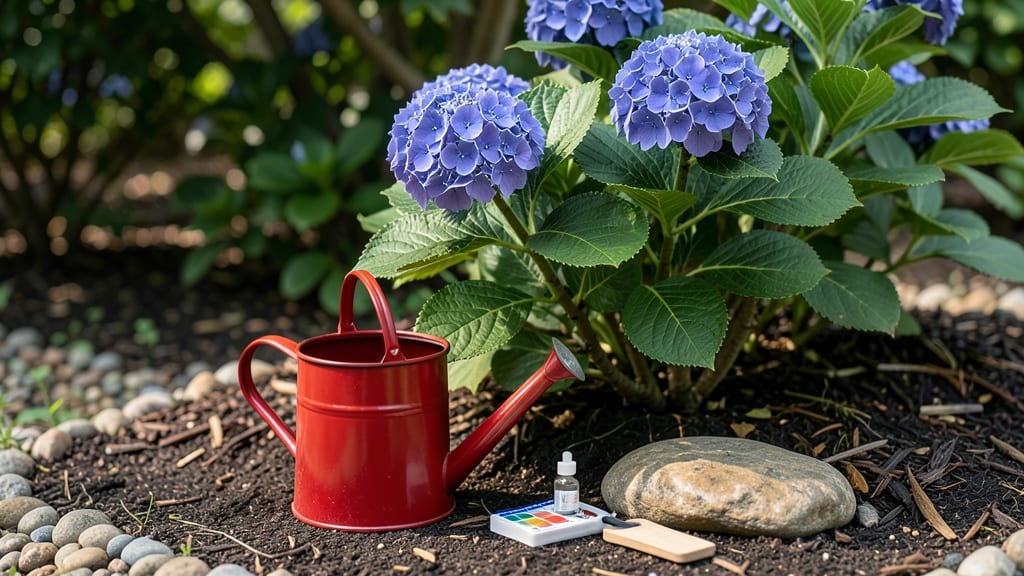
Hydrangeas in direct sun aren’t just surviving—they’re putting on the boldest floral shows of your neighborhood. 💚 I’ve watched my own 'Limelight' and 'Endless Summer' varieties transform from wilting to show-stopping under full sun, and the secret lies in choosing the right cultivars and adjusting care just slightly.
The key is matching sun tolerance to your climate. Most hydrangeas need morning sun and afternoon shade, but varieties like 'Limelight' and 'Little Lime' handle full sun better than others.
They’ll reward you with larger blooms and deeper colors, but you’ll need to water deeply 2-3 times per week and mulch heavily to keep roots cool.
Expect vibrant blooms that last from summer through fall, with foliage that stays lush instead of crispy. The trade-off? You’ll prune differently—waiting until after blooms fade to avoid cutting off next year’s flowers. With the right prep, your hydrangeas will outshine every other plant in the yard.
Perfect for hot, sunny spots where shade-loving plants struggle. Here’s how to make it work without burning out your bushes—even in the hottest afternoons.
📚 In This Guide
- What you need
- Instructions
- Tips and common mistakes
- Wrapping up and next steps
What you need
- ● Heat-tolerant hydrangea varieties: Endless Summer® (Hydrangea macrophylla)
- ● Limelight® (Hydrangea paniculata)
- ● Little Lime® (Hydrangea paniculata)
- ● Quick Fire® (Hydrangea paniculata)
- ● Well-draining potting mix: 10-15 gallons (for container gardening) or amended garden soil (for in-ground planting). Look for a mix labeled for acid-loving plants.
- ● Organic mulch: 2-3 inches of shredded bark or pine straw to retain moisture and regulate soil temperature.
- ● Slow-release fertilizer: 10-10-10 or a hydrangea-specific formula (follow package instructions for application rates).
- ● Watering can or hose with a gentle spray nozzle: For deep, consistent watering (aim for 1-2 inches per week, more in extreme heat).
- ● Pruning shears: Sharp, clean pair for trimming dead or overgrown stems.
- ● Garden gloves: To protect your hands while handling plants or soil.
- ● Shade cloth: 30-50% coverage for young plants or during peak afternoon sun (if your variety is sensitive).
- ● Soil moisture meter: To monitor water levels and prevent over/under-watering.
- ● Epsom salt (magnesium sulfate): 1 tablespoon per gallon of water monthly to enhance blooms (if your soil is alkaline).
- ● Drip irrigation system: For automated, stress-free watering in hot climates.
- ● Reflective mulch or light-colored stones: To reduce soil heat absorption around the base of plants.
Step-by-Step guide to planting and caring for heat-tolerant hydrangeas
Here's how to grow bold, vibrant hydrangeas that handle full sun like champions.
☀️ Step 1: Select the Right Heat-Tolerant Varieties
Not all hydrangeas thrive in direct sun, but varieties like 'Limelight,' 'Endless Summer,' and 'Annabelle' are bred to handle it. These cultivars feature thicker leaves and deeper root systems that retain moisture better. I always check the plant tag for heat tolerance ratings—look for varieties labeled as "sun-tolerant" or "full sun" (though they still appreciate afternoon shade in extreme climates).
These varieties also produce larger blooms and more vibrant colors when given proper sun exposure. If your area hits 90°F+ regularly, opt for panicle hydrangeas—they handle heat better than mopheads. Planting in late spring or early fall gives roots time to establish before summer's peak heat arrives.
🪴 Step 2: Prepare the Planting Site for Sun Exposure
Choose a location with at least 6 hours of direct sun daily, but avoid spots where afternoon sun is scorching. Amend the soil with 2-3 inches of compost to improve moisture retention and drainage—hydrangeas in full sun need well-draining soil to prevent root rot. I always test soil pH before planting; these varieties prefer slightly acidic soil (5.5-6.2) for optimal bloom color.
Dig a hole twice as wide as the root ball but only as deep. The top of the root ball should sit 1 inch above ground level—this prevents water from pooling around the stem. If your soil drains poorly, mix in 20% perlite or coarse sand to improve aeration. Mulch heavily with 3-4 inches of organic mulch (like shredded bark) to keep roots cool and retain moisture.
💧 Step 3: Water Deeply and Strategically for Sun Conditions
Hydrangeas in full sun need consistent moisture—their large leaves transpire water rapidly. Water deeply 2-3 times per week (or daily in extreme heat) until water runs out the drainage holes. The goal is to keep the top 6 inches of soil consistently moist, not soggy. I always water in the early morning to reduce evaporation and fungal risks.
During heatwaves, I increase watering to every other day and monitor soil moisture by sticking my finger 2 inches deep—if it feels dry, it's time to water. Avoid overhead watering, which can scorch leaves. Instead, use a soaker hose or drip irrigation to deliver water directly to the root zone.
✂️ Step 4: Prune for Sun Exposure and Encourage Strong Growth
Prune heat-tolerant hydrangeas in late winter or early spring before new growth begins. Remove dead or crossing branches first, then cut back old wood to just above the first set of strong buds. For panicle hydrangeas, you can prune in summer too to shape the plant—just avoid heavy pruning after mid-July, as new blooms form on current season's growth.
In full sun, hydrangeas grow more vigorously, so pruning helps maintain their shape and encourages larger, more vibrant blooms. After pruning, apply a balanced fertilizer (10-10-10) to support new growth. I always fertilize in early spring and mid-summer, but avoid over-fertilizing—too much nitrogen leads to leafy growth at the expense of flowers.
🌿 Step 5: Monitor and Protect During Heatwaves
When temperatures exceed 95°F, hydrangeas may show signs of stress—wilting leaves, yellowing edges, or drooping blooms. If this happens, provide temporary shade with a lightweight shade cloth (30-50%) for the hottest hours of the day. I also increase watering frequency and mist leaves early in the morning to help them cool down.
Watch for pests like spider mites, which thrive in hot, dry conditions. A strong spray of water can dislodge them, or use neem oil as a preventative. If leaves start curling or turning brown, it’s a sign of heat stress—trim affected areas to encourage new growth. With proper care, even full-sun hydrangeas will reward you with bold, long-lasting blooms all season long.
Tips & tricks for growing stunning hydrangeas in full sun
Real talk: Growing hydrangeas in direct sun isn't just possible—it can yield the most dramatic blooms if you know the tricks. Here's what I've learned after watching my own plants transform from struggling survivors to showstopping centerpieces.
Variety Selection Matters: When choosing heat-tolerant varieties like 'Limelight' or 'Annabelle', pay special attention to the plant tags for heat tolerance ratings. These labels aren't just marketing—they indicate which cultivars can handle your specific climate's 90°F+ temperatures. I've seen 'Endless Summer' varieties handle heat beautifully, but their performance varies dramatically based on your exact microclimate. For areas with afternoon sun intensity, consider planting near a reflective surface (like a light-colored wall) to diffuse some of that harsh light.
Soil Preparation is Non-Negotiable: The 2-3 inches of compost mentioned in Step 2 isn't just about nutrients—it's about creating a moisture reservoir in your soil. I've found that adding 10% coconut coir to the compost mix helps retain even more water during heatwaves. Also, if your soil tests above 6.2 pH, hydrangea blooms will lose their vibrant color. I use aluminum sulfate to lower pH gradually—just follow package instructions carefully as overapplication can harm roots. The 3-4 inches of organic mulch should extend beyond the drip line of your plant to protect those critical feeder roots.
Watering Strategy Makes All the Difference: The top 6 inches of soil consistently moist guideline is crucial, but how you achieve it matters just as much. I've had success using self-watering globes buried near the root zone during extreme heat—these slowly release water over several days. For established plants, consider installing a drip irrigation system on a timer set for early morning watering. The key is to water deeply enough that 20% of the water runs out drainage holes—this ensures you're reaching the root zone where it counts. During heatwaves, I increase frequency to every other day but never water after 10 AM to prevent fungal issues.
Pruning Timing is Everything: That late winter or early spring pruning window is critical for heat-tolerant varieties. I've learned to mark the first set of strong buds with a white marker before cutting—this helps me remember where new growth will emerge. For panicle hydrangeas, I do a light summer pruning in June to encourage bushier growth, but I never cut back more than one-third of the plant at any time. After pruning, I always apply a layer of compost tea to the soil surface to give the plant a quick nutrient boost while protecting the roots.
Pro Tips for Hydrangea Direct Sun
- Real talk: Growing hydrangeas in direct sun isn't just possible—it can yield the most dramatic blooms if you know the tricks.
- Variety Selection Matters: When choosing heat-tolerant varieties like 'Limelight' or 'Annabelle', pay special attention to the plant tags for heat tolerance ratings.
- Soil Preparation is Non-Negotiable: The 2-3 inches of compost mentioned in Step 2 isn't just about nutrients—it's about creating a moisture reservoir in your soil.
Frequently asked questions
Can hydrangeas survive full sun exposure?
Most hydrangeas prefer partial shade, but some varieties—like Oakleaf (Hydrangea quercifolia) or Panicle (Hydrangea paniculata)—thrive in 6+ hours of direct sun. Always check your plant’s tag! Overheating can scorch leaves, so mulch helps retain moisture.
How do I protect hydrangeas from sunburn?
Sunburn shows as brown, crispy leaf edges. To prevent it:
- Water deeply early in the morning (1–2 inches per week).
- Use shade cloth (30–50%) during peak afternoon sun.
- Choose heat-tolerant varieties (e.g., ‘Limelight’ or ‘Little Lime’).
When is the best time to plant sun-loving hydrangeas?
Plant in early spring or fall when soil temps are cool but stable (50–70°F). Avoid summer heatwaves—roots need time to establish before intense sun. Panicle hydrangeas adapt faster to sun than mopheads or bigleaf types.
What if my hydrangea’s leaves turn yellow in full sun?
Yellowing can signal heat stress, overwatering, or nutrient burnout. Try this:
- Move to morning sun + afternoon shade temporarily.
- Fertilize with balanced granules (10-10-10) in spring.
- Check for pests (aphids, spider mites)—they thrive in dry conditions.
Are there hydrangeas that bloom better in full sun?
Panicle hydrangeas
(e.g., ‘Vanille Fraise’) and Oakleafs produce more vibrant blooms in sun. Bigleaf varieties (like ‘Endless Summer’) may need afternoon shade but still perform well with morning sun exposure. Test small pots first!
Can I move an established hydrangea to sunnier conditions?
Yes, but gradually! Acclimate over 2–3 weeks by moving it slightly sunnier each day. Water daily during the transition. Prune 1/3 of old wood in late winter to encourage new growth. Avoid moving during extreme heat or cold.
Wrapping up and next steps
Growing hydrangeas in direct sun is absolutely doable—you just need the right varieties and a few smart strategies! 🌞 From heat-loving Panicled Hydrangeas to drought-tolerant Oakleafs, these plants can flourish with proper care.
Don’t let the myth of shade-only hydrangeas hold you back—your garden can be vibrant and bold with the perfect choices.
Ready to take the next step? Pick your favorite variety, prep your soil, and give those hydrangeas the sunny spot they deserve. Happy planting—your future blooms will thank you! 🌸