
Diseases
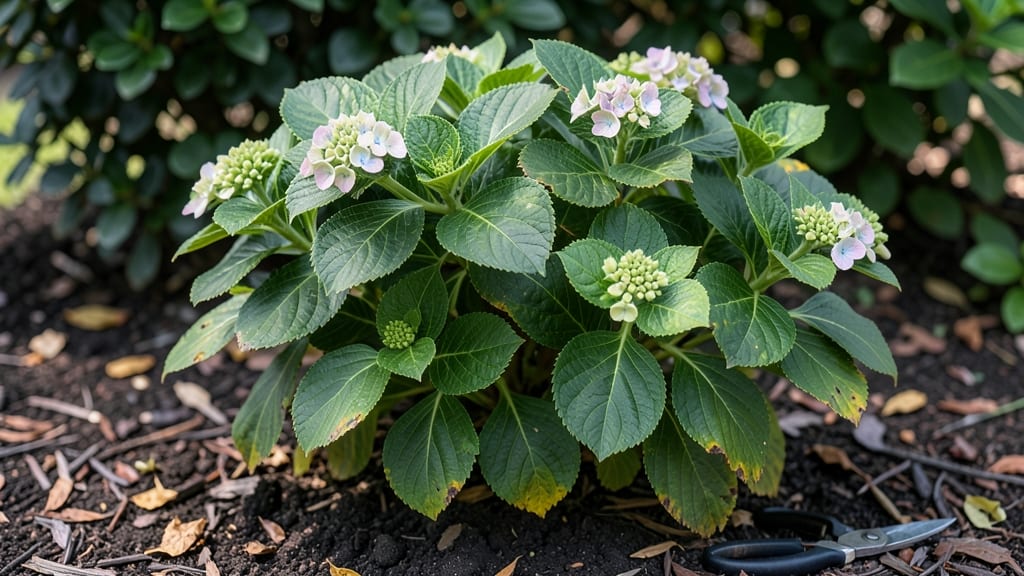
Hydrangea leaves curling can turn your lush shrub into a sad, crunchy mess by summer’s end. 🌿 I’ve seen this happen more times than I’d like—especially after a hot, dry spell—so I’ve learned the fast fixes that actually work. The good news? Most cases are reversible with simple adjustments.
First, check for underwatering—wilting, crispy edges, and curling often mean roots are begging for moisture. Then inspect the undersides of leaves for tiny webs (spider mites) or sticky residue (aphids). Even heat stress or poor drainage can cause this, so don’t jump to pesticides yet.
Once you identify the problem, act fast: water deeply 2-3 times a week (not daily), spray leaves with water to deter pests, and prune severely damaged growth. Neem oil tackles mites and aphids without harming blooms, and mulching keeps roots cool.
With the right fix, your hydrangeas bounce back in 2-3 weeks—just in time for peak bloom season. The key is catching it early, so don’t wait until the whole plant looks like a sad paperweight!
Root Causes Behind Leaf Distress
When your hydrangea’s leaves start curling, it’s often a cry for help from the plant—like a red flag waving in the garden. Understanding the why behind the symptoms is the first step to saving your shrub.
Below, we break down the most common culprits, backed by science, so you can diagnose and act fast. 🌱🔍
Hydrangeas thrive in moist but well-drained soil. When roots sit in soggy conditions, they suffocate, leading to oxygen deprivation. This triggers a stress response, causing leaves to curl upward or downward as the plant tries to limit water loss.
- Science behind it: Excess moisture disrupts the plant’s osmotic balance, forcing cells to swell unevenly. Curling is a survival tactic to reduce water loss via transpiration.
- Actionable fix:
- Test soil moisture by sticking your finger 2 inches deep—if damp, hold off on watering.
- Amend heavy clay soil with perlite or compost to improve aeration.
- Ensure pots have drainage holes; if not, repot into containers with better airflow.
While hydrangeas love dappled shade, intense afternoon sun can scorch leaves, causing them to curl, crisp, or develop brown edges. This is especially true in hot climates or after sudden temperature spikes.
- Science behind it: High light intensity increases reactive oxygen species (ROS) in leaf cells, damaging membranes and proteins. The plant curls leaves to shield delicate tissue.
- Actionable fix:
- Move potted hydrangeas to morning sun + afternoon shade.
- Use a light shade cloth (30-50%) for outdoor plants during peak heat (11 AM–3 PM).
- Mulch the base with 2–3 inches of organic mulch (e.g., wood chips) to regulate soil temperature.
Tiny pests like spider mites and aphids suck sap from hydrangea leaves, causing them to curl, yellow, or develop stippled patterns. Their saliva also triggers a chemical response that warps leaf structure.
- Science behind it: Pests disrupt the plant’s phloem transport (nutrient highways), starving cells of sugars and hormones like auxin, which regulates growth. Curling is a direct result of this hormonal imbalance.
- Actionable fix:
- Inspect leaves under a magnifying glass for webbing (mites) or sticky residue (aphids).
- Blast pests off with a strong spray of water (repeat every 3–4 days).
- Apply neem oil or insecticidal soap (follow label rates) for severe infestations.
- Introduce beneficial predators like ladybugs or lacewings to control populations naturally.
Hydrangeas are sensitive to rapid temperature swings (e.g., cold nights followed by hot days) and drying winds, which cause cellular dehydration. Leaves curl to minimize surface area and conserve moisture.
- Science behind it: Wind increases transpiration rates, pulling water out of leaves faster than roots can replace it. Cold stress also disrupts cell membrane integrity, leading to curling.
- Actionable fix:
- Protect plants from direct wind with a temporary burlap windbreak or by planting near a fence.
- Avoid planting in exposed, open areas; opt for sheltered spots near buildings or trees.
- In cold climates, mulch heavily (4–6 inches) and cover young plants with frost cloth during sudden freezes.
Fungal infections like powdery mildew and leaf spot thrive in humid conditions, causing leaves to curl, yellow, or develop crusty white patches. These pathogens clog stomata (leaf pores), disrupting gas exchange.
- Science behind it: Fungi release toxins and enzymes that degrade cell walls, leading to structural weakness. Curling is a defense mechanism to trap moisture and slow spore spread.
- Actionable fix:
- Improve air circulation by pruning crowded branches and spacing plants 3–4 feet apart.
- Apply copper fungicide or baking soda spray (1 tsp baking soda + 1 quart water + a drop of dish soap) every 7–10 days.
- Water at the base (not overhead) to keep foliage dry.
- Remove and dispose of infected leaves promptly to prevent spread.
Pro Tip: 💡 Keep a plant symptom journal to track when curling starts—note watering schedules, weather changes, and pest sightings. Patterns will help you pinpoint the exact cause faster next time!
Quick Fixes for Wrinkled Hydrangea Foliage
Now that you know why your hydrangea leaves are curling, it’s time to roll up your sleeves and restore those lush, vibrant blooms! The good news?
Most issues are reversible with simple, targeted care. Below, we’ve broken down practical solutions for each common cause—plus prevention tips to keep your hydrangeas thriving long-term.
If your hydrangeas are soggy at the roots, stop watering immediately and let the soil dry out. Here’s how to rescue them:
🔥 Step 1: Check the Soil
- Stick your finger 2 inches deep into the soil. If it’s damp, wait 2–3 days before watering again.
- Test drainage: Fill a container with water and pour it over the soil.
If water pools on top after 30 minutes, your hydrangea needs better drainage.
👨🍳 Step 2: Improve Soil Aeration
- Amend heavy clay soil with compost or perlite to help roots breathe.
- Raise plant beds slightly (if possible) to prevent waterlogging.
🌱 Step 3: Adjust Watering Habits
- Water deeply but infrequently: Aim for 1–1.5 inches per week (including rain).
- Water at the base, not overhead, to avoid fungal issues.
- Use a moisture meter for peace of mind—hydrangeas hate "wet feet."
✨ Prevention Tip:
Plant hydrangeas in well-draining soil and choose a location with partial shade to reduce evaporation.
If your hydrangeas are wilting under scorching sun, they need immediate relief:
🌡️ Step 1: Provide Temporary Shade
- Use shade cloth (30–50% coverage) or move potted hydrangeas to a shadier spot for a few weeks.
- Mulch heavily (3–4 inches of organic mulch) to keep roots cool.
💦 Step 2: Boost Hydration
- Water in the early morning to reduce evaporation.
- Mist leaves lightly on extremely hot days (but avoid evening misting to prevent fungal growth).
🎯 Prevention Tip:
- Choose the right spot: Hydrangeas thrive in morning sun + afternoon shade.
- Avoid full-sun locations in hot climates—opt for dappled sunlight instead.
If spider mites, aphids, or scale insects are sucking the life out of your hydrangeas, act fast:
🔪 Step 1: Identify the Culprit
- Spider mites: Tiny yellow dots on leaves, webbing.
- Aphids: Sticky residue (honeydew), curled leaves.
- Scale: Bumpy, waxy spots on stems/leaves.
🛡️ Step 2: Remove Pests Naturally
- Blast off mites/aphids with a strong stream of water.
- Neem oil spray (1 tsp neem oil + 1 tsp mild soap per quart of water) – reapply every 5–7 days.
- Introduce beneficial insects: Ladybugs or lacewings eat aphids naturally.
💡 Prevention Tip:
- Inspect new plants before bringing them home.
- Encourage pollinators (like bees) to keep pest populations in check.
If powdery mildew or leaf spot is causing curling, sanitize and ventilate:
🧼 Step 1: Prune & Dispose
- Cut off infected leaves (don’t compost them—bag and trash).
- Sterilize pruners with rubbing alcohol between cuts.
🌬️ Step 2: Improve Airflow
- Space plants 3–4 feet apart to reduce humidity buildup.
- Avoid overhead watering—water at the base instead.
🌿 Step 3: Fungal Remedies
- Baking soda spray: Mix 1 tsp baking soda + 1 tsp oil + 1 tsp soap per gallon of water. Spray every 7–10 days.
- Copper fungicide (for severe cases—follow label instructions).
🔥 Prevention Tip:
- Water in the morning so leaves dry quickly.
- Remove fallen leaves/debris to eliminate fungal food sources.
If yellowing or curling is due to lack of nutrients, give your hydrangeas a balanced boost:
📊 Step 1: Test Soil pH
- Blue hydrangeas? Aim for pH 5.0–5.5 (add sulfur or peat moss).
- Pink/white blooms? Keep pH 6.0–6.2 (add lime if too acidic).
💪 Step 2: Fertilize Correctly
- Use a balanced fertilizer (10-10-10 or 20-20-20) early in the growing season (spring).
- For big blooms: Add low-nitrogen, high-phosphorus fertilizer (like 5-10-10) mid-summer.
- Avoid high-nitrogen fertilizers—they promote leaves over flowers.
🥗 Prevention Tip:
- Mulch annually with compost to slowly release nutrients.
- Avoid over-fertilizing—hydrangeas are sensitive to salt buildup.
No matter the issue, these quick fixes can help your hydrangeas bounce back:
- Trim damaged leaves to redirect energy to healthy growth.
- Repot if needed (if roots are circling or soil is compacted).
- Give them a "haircut"—prune back leggy stems to encourage bushier growth.
💡 Pro Tip: Keep a gardening journal to track watering, sunlight, and treatments—it’ll help you spot patterns and prevent future issues!
With these solutions, your hydrangeas should uncurl, perk up, and bloom beautifully in no time. 🌸✨
Frequently asked questions
Why are my hydrangea leaves curling upward instead of downward?
Upward curling usually signals underwatering or heat stress, while downward curling often points to overwatering or fungal issues. Check soil moisture—if the top 2 inches are bone-dry, water deeply. For heat stress, provide afternoon shade and mulch heavily to retain moisture.
Can I save my hydrangea if the leaves are already crispy and brown?
Severely damaged leaves won’t recover, but the plant can regrow healthy foliage. Prune the affected leaves back to green growth and focus on fixing the root cause (water, pests, or sun exposure). With proper care, new leaves should emerge in 2-4 weeks.
How do I tell if my hydrangea's curling is from pests or disease?
Pests (like spider mites or aphids) often show webbing, sticky residue, or tiny bugs on leaf undersides, while diseases (like powdery mildew) create white crusty patches or yellow spots. Check both sides of leaves—pests leave visible damage, while diseases spread like a film.
Will pruning help my hydrangea recover from curling?
Yes! Prune only the most damaged leaves and stems to redirect the plant’s energy. For woody hydrangeas, cut back to 2-3 healthy buds on each stem. Avoid heavy pruning—focus on removing 10-20% of the plant at most to avoid stressing it further.
How often should I check my hydrangeas for curling issues?
Inspect your hydrangeas weekly during growing season (spring-fall). Look for early signs like slight wilting, discoloration, or tiny webs. Catching problems early makes fixes much easier—most issues are reversible if addressed within 2-3 weeks of first appearing.