
Plants
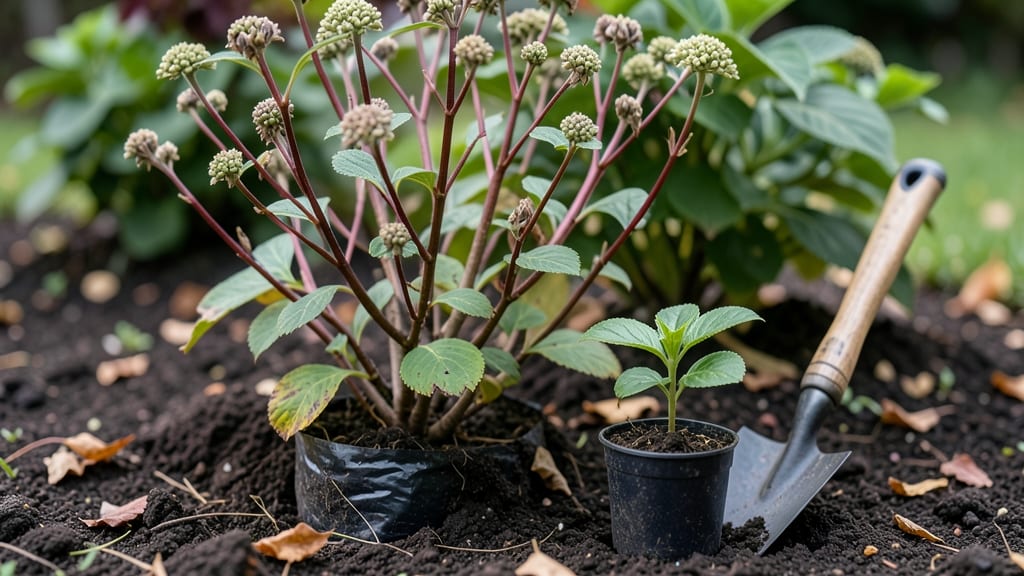
Planting hydrangeas in Chicago after the last frost date—around April 15—sets them up for a showstopping summer display 🌸.
Chicago’s unpredictable spring weather can turn hydrangea planting into a guessing game—but timing is everything for those stunning, long-lasting blooms. Get the exact frost-free window and pro tips to ensure your hydrangeas thrive in the Windy City’s climate.
The 5b-6a zone means hydrangeas need patience: rushing them out too early risks frost damage, while waiting too long can stunt their growth.
Below, I’ll break down the ideal window, soil prep, and how to protect your plants from late cold snaps—so you can enjoy those bold blooms from July through September.
You’ll also discover the best varieties for Chicago’s heat and humidity, container planting hacks for small spaces, and when to fertilize for maximum impact. Let’s get those hydrangeas in the ground the right way!
Chicago’s ideal hydrangea planting timeline: month-by-month frost-free guide
Planting hydrangeas in Chicago’s USDA Zone 5b/6a requires precision—get the timing wrong, and your big, bold blooms might never appear. The key is understanding soil temperature thresholds and last frost dates, which vary yearly.
Chicago’s average last frost date is April 15, but late frosts can linger into May, especially inland areas. Lake Michigan creates a microclimate, so coastal neighborhoods often warm up 1-2 weeks earlier.
For container-grown hydrangeas, you have a slightly wider window—April 15 to May 15—since pots warm up faster than in-ground soil. In-ground planting, however, demands patience: soil must reach at least 50°F (10°C) for roots to establish without frost damage.
Use a soil thermometer to check depth (6 inches down) before planting.
| Month | Soil Temp Threshold | Planting Window | Best For | Notes |
|---|---|---|---|---|
| March | 40-45°F (4-7°C) | Late March (coastal only) | Container-grown | Risk of late frost; protect with frost cloth |
| April | 50-55°F (10-13°C) | April 15-May 1 (ideal) | In-ground & containers | Wait for 3 consecutive days above 50°F |
| May | 55-60°F (13-16°C) | May 1-15 (extended) | In-ground (established roots) | Best for late bloomers like 'Limelight' |
| September | 60-65°F (16-18°C) | Mid-Sept to Oct 1 | Bare-root transplants | Soil must stay above 50°F for 4+ weeks |
| October | Below 50°F (10°C) | Not recommended | N/A | Risk of winter kill; avoid |
Spring planting in Chicago offers the best success rate because hydrangeas establish roots before summer heat arrives. Aim for April 15 to May 1 as your prime window—this aligns with Chicago’s average last frost date while giving plants time to root before July heatwaves.
If you miss this window, fall planting (mid-September) is your second chance, but only if soil temps stay above 50°F (10°C) for at least 4 weeks post-planting.
Container planting gives you flexibility. Pots warm up 2-3 weeks faster than in-ground soil, so you can plant container-grown hydrangeas as early as late March near Lake Michigan’s warmer microclimate. Just be prepared to cover plants with frost cloth if nights dip below 32°F (0°C).
For in-ground planting, wait until soil reaches 55°F (13°C)—this usually happens by mid-April in coastal areas and early May inland.
One common mistake Chicago gardeners make is planting too early. If you dig a hole in March and leave it empty, cold soil can stunt root growth. Instead, plant bare-root hydrangeas in September (if buying dormant) or wait until soil warms.
Another tip: amend your soil with compost and peat moss to improve drainage—hydrangeas hate soggy roots, especially in Chicago’s clay-heavy soil.
Pro tip: Use mulch (3-4 inches) after planting to retain moisture and regulate soil temperature. In Chicago’s hot summers, mulch keeps roots 5-10°F cooler, preventing stress. For container plants, choose pots with drainage holes and use a well-draining potting mix to mimic Chicago’s partial-shade, moist conditions.
If you’re planting 'Endless Summer' hydrangeas, time your purchase right—local nurseries like Chicago Botanic Garden’s Plant Sale or Barnes & Noble Nursery stock them in early spring (March-April).
These varieties bloom on old and new wood, so even if you miss the ideal window, they’ll often rebloom later in the season if given consistent moisture.
Remember: Chicago’s first frost typically arrives October 20, but early frosts can sneak in by mid-September. If you plant in fall, choose hardy varieties like 'Annabelle' and protect young plants with burlap wraps during unexpected cold snaps.
With the right timing, your hydrangeas will reward you with 3-4 months of vibrant blooms from July to September.
🌸
5 Critical factors that determine your planting success in Chicago
Planting hydrangeas in Chicago isn’t just about waiting for the last frost date—it’s about understanding the hidden variables that separate thriving blooms from struggling shrubs. I’ve learned that microclimates, soil chemistry, and even container size can make or break your success.
Let’s break down the five critical factors that determine whether your hydrangeas will reward you with big, bold blooms or leave you disappointed.
First, Chicago’s microclimates create wildly different conditions. Areas near Lake Michigan have milder springs and later frosts, while inland neighborhoods like West Ridge can experience sudden temperature drops.
A 2-week difference in planting windows isn’t uncommon between these zones. If you’re unsure where you fall, check your USDA Zone 5b-6a and adjust accordingly.
Next, your soil pH isn’t just about fertility—it controls bloom color. Blue hydrangeas thrive in acidic soil (pH 5.2-5.5), while pink blooms need neutral soil (pH 6.0-7.0). Testing your soil before planting is non-negotiable.
I once planted ‘Nikko Blue’ in alkaline soil and ended up with lavender blooms instead of the deep blue I expected—until I amended it with sulfur.
🌸 5 Critical Factors for Chicago Hydrangea Success
- 🌡️ Microclimate: Lake vs. inland planting windows differ by 2+ weeks. Use Lake Michigan buffers for earlier starts.
- 🌱 Soil pH: Test before planting—blue blooms need pH 5.2-5.5, pink needs pH 6.0-7.0. Amend with lime (pink) or sulfur (blue).
- 🪴 Container Size: Minimum 15-gallon pots for dwarf varieties; 30+ gallons for standard types. Smaller pots = root-bound stress.
- ❄️ Late Frost Protection: Use frost cloth or row covers until May 15. Young plants can’t handle 28°F temps.
- ☀️ Sunlight Balance: Morning sun + afternoon shade prevents leaf scorch. Full sun = stressed plants in Chicago’s heatwaves.
Don’t overlook container size if you’re growing hydrangeas in pots. A 15-gallon container is the minimum for dwarf varieties like ‘Little Lime’, while standard shrubs need 30+ gallons to prevent root-bound stress.
I’ve seen hydrangeas in 5-gallon pots wilt within weeks because their roots outgrew the space. If you’re container gardening, plan for at least 2 gallons of soil per year of plant maturity.
Late frosts are the biggest risk for young hydrangeas in Chicago. Even after the official last frost date (April 15), temperatures can dip into the 20s°F as late as May 10. Protect your plants with frost cloth or row covers until you’re past the May 15 safe window.
I once lost two ‘Endless Summer’ plants because I planted them too early—always err on the side of caution.
Finally, sunlight balance is crucial. While hydrangeas love morning sun, Chicago’s afternoon heat can scorch leaves if they’re exposed to full sun. Aim for 4-6 hours of morning light with afternoon shade.
If your yard has west-facing exposure, consider planting near a treeline or patio awning to shield them from the late-day sun.
Master these five factors, and your hydrangeas will reward you with season-long blooms that make your Chicago garden the envy of the neighborhood. Start with soil testing, monitor your microclimate, and don’t rush the planting window—patience is key to those showstopping hydrangeas you’ve been dreaming of. 🌸