
Pests and Diseases
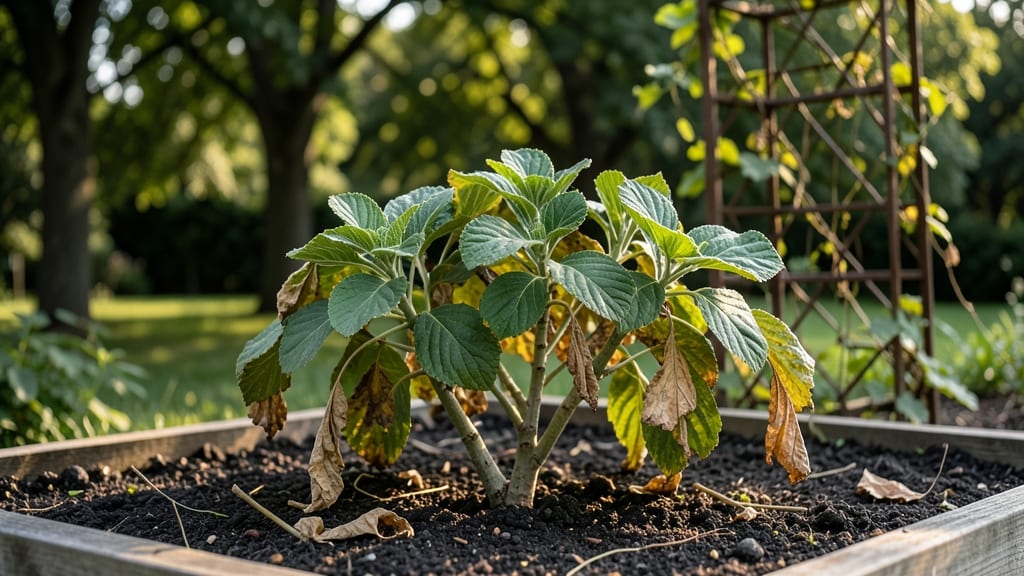
Your hydrangea leaves wilting can turn around in days with the right fix—no panic needed. 🌿 I’ve nursed back more than a dozen drooping bushes using these exact steps, and the secret starts with checking the roots before assuming the worst.
Most wilting stems from either too much water (soggy soil) or too little (dry, crispy edges), but pests like spider mites or fungal infections can sneak in too. The first step?
Gently tug on a few leaves—if they pull away easily, it’s underwatering; if the soil smells like rot, you’ve overdone it. Both fix fast with simple adjustments. Within 48 hours of correcting the issue, you’ll see leaves perk up again, and new growth will appear in 1-2 weeks.
The key is acting fast: hydrangeas bounce back when you address the root cause (literally) before stress sets in. This works for both big shrubs and container plants—just scale the watering. Let’s get those blooms lush again!
Root Causes of Drooping Leaves
When your hydrangea’s leaves start wilting, it’s often a cry for help from the plant itself. Understanding the why behind the droop is the first step to revival. Below, we break down the most common culprits—each with a clear scientific explanation and actionable clues to identify them.
Hydrangeas thrive in moist but well-drained soil. When roots sit in soggy conditions, they suffocate from a lack of oxygen, leading to wilting, yellowing leaves, and even root rot. Overwatering disrupts the plant’s ability to absorb nutrients, causing cellular stress and wilting.
How to spot it:
- Leaves turn yellow or brown at the edges.
- Soil stays damp for days after watering.
- Stems feel mushy when pressed (sign of rot).
Science behind it: Excess water displaces oxygen in the soil, triggering anaerobic bacteria that produce toxic compounds. Meanwhile, hydrangea roots rely on aeration to function—without it, they can’t transport water and nutrients efficiently.
Hydrangeas are sensitive to temperature swings. Prolonged heatwaves or sudden cold snaps cause leaves to wilt as the plant conserves moisture. High temperatures also increase transpiration (water loss through leaves), while cold can damage cell membranes, disrupting water uptake.
How to spot it:
- Wilting occurs suddenly during heatwaves or after frost.
- Leaves may appear crispy or develop brown patches.
- Soil feels dry at the surface but moist below (heat stress).
Science behind it: Heat stress triggers the plant’s abscisic acid (ABA) hormone, which signals stomata (leaf pores) to close to retain water—leading to wilting. Cold stress, meanwhile, causes cytoplasmic freezing, where water crystals form inside cells, rupturing them.
While overwatering is a common issue, chronic underwatering is equally damaging. Hydrangeas need consistent moisture, especially during blooming season. When soil dries out, roots struggle to pull up water, causing leaves to droop as a survival mechanism to reduce water loss.
How to spot it:
- Leaves feel dry, crispy, or curl inward.
- Soil pulls away from the pot edges (indicating extreme dryness).
- Wilting worsens in the afternoon (peak heat).
Science behind it: The plant’s xylem vessels (water transport tubes) collapse under tension when dehydrated, creating air bubbles that block water flow—a condition called cavitation. This forces the plant to wilt to minimize further damage.
Sap-sucking pests like aphids, spider mites, or scale insects weaken hydrangeas by draining nutrients and injecting toxins. Fungal diseases (e.g., powdery mildew or leaf spot) clog stomata, preventing gas exchange and causing wilting. Even root rot from fungal pathogens (like Phytophthora) can strangle roots.
How to spot it:
- Sticky residue (honeydew) on leaves (pests).
- White powdery coating (fungal mildew).
- Black or brown spots with yellow halos (leaf spot).
- Wilting despite consistent watering (root rot).
Science behind it: Pests disrupt the plant’s photosynthetic efficiency by damaging chloroplasts, while diseases block stomata, trapping excess moisture and triggering wilting. Root infections sever the plant’s water supply, leading to systemic collapse.
Hydrangeas need a balanced diet of nitrogen (N), phosphorus (P), and potassium (K). Deficiencies—especially in potassium or magnesium—disrupt osmotic regulation, causing cells to lose turgor pressure and wilt. Over-fertilizing with salt-based fertilizers can also burn roots, mimicking drought stress.
How to spot it:
- Yellowing between leaf veins (magnesium deficiency).
- Brown edges on older leaves (potassium deficiency).
- Slow growth despite wilting (nitrogen deficiency).
- Crusty soil surface (fertilizer burn).
Science behind it: Potassium regulates stomatal function and water retention; without it, leaves wilt even when soil is moist. Magnesium is central to chlorophyll production—deficiencies starve cells of energy, leading to wilting.
💡 Pro Tip: Keep a plant journal to track watering, weather, and wilting patterns. Noticing a trend (e.g., wilting after heavy rain) can pinpoint the exact cause faster!
Revive Your Hydrangeas Fast
Your hydrangeas deserve a second chance, and with the right approach, you can bring them back to their vibrant, blooming best. Wilting leaves are often a sign of stress, but don’t panic—most issues are fixable with targeted care.
Below, we’ll break down the most common causes of wilting hydrangea leaves and provide practical, step-by-step solutions to nurse them back to health. Plus, we’ll share prevention tips to keep your plants thriving long-term.
Signs: Yellowing leaves, mushy stems, or a foul smell at the base.
How to Fix It:
- 🔥 Stop Watering Immediately
- Let the soil dry out completely before watering again. Stick your finger 1–2 inches into the soil—if it’s soggy, wait.
- 👨🍳 Improve Drainage
- If your hydrangeas are in pots, add a layer of gravel or perlite to the bottom before repotting.
- For in-ground plants, amend the soil with compost or sand to loosen it up.
- ⏰ Monitor Moisture Levels
- Water deeply only when the top 2 inches of soil are dry. Hydrangeas prefer moist but not waterlogged conditions.
💡 Prevention Tip:
- Use self-watering pots or drip irrigation to avoid overwatering.
- Plant hydrangeas in well-draining soil—avoid heavy clay unless amended.
Signs: Crispy, dry edges on leaves, drooping foliage, or leaves curling inward.
How to Fix It:
- 🍳 Give Them a Deep Drink
- Water slowly and thoroughly until it runs out the drainage holes (for potted plants) or seeps into the soil below (for in-ground plants).
- 🌡️ Provide Shade Relief
- Move potted hydrangeas to a shadier spot (morning sun is ideal) or use a light shade cloth if outdoors.
- Mulch the base with 2–3 inches of organic mulch (like wood chips) to retain moisture.
- 🥘 Boost Humidity (If Needed)
- Mist leaves early in the morning or place a tray of water near potted plants.
- Group hydrangeas together to create a micro-climate with higher humidity.
💡 Prevention Tip:
- Water in the early morning to reduce evaporation.
- Choose heat-tolerant varieties like ‘Endless Summer’ if you live in a hot climate.
Signs: Sticky residue (aphids), chewed leaves (slugs/snails), or tiny webs (spider mites).
How to Fix It:
- 🔪 Identify the Culprit
- Aphids/Scale: Spray with neem oil or insecticidal soap.
- Slugs/Snails: Set up beer traps or use iron phosphate bait.
- Spider Mites: Blast leaves with water to knock them off, then apply horticultural oil.
- 🌿 Encourage Natural Predators
- Attract ladybugs and lacewings by planting marigolds or dill nearby.
- ✨ Quarantine Infected Plants
- Isolate heavily infested plants until pests are gone to prevent spread.
💡 Prevention Tip:
- Inspect leaves weekly for early signs of pests.
- Remove fallen leaves where pests hide over winter.
Signs: Black, mushy roots, wilting despite watering, or moldy soil.
How to Fix It:
- 🔥 Trim the Damage
- Gently remove the plant from the pot (or dig it up) and cut away any black/mushy roots with sterilized scissors.
- 👨🍳 Repot in Fresh Soil
- Use a well-draining potting mix (add perlite or sand).
- If in-ground, amend the soil with compost and improve drainage.
- 🌡️ Fungicide Treatment (If Needed)
- Spray roots with copper fungicide before replanting.
- Avoid watering the foliage to prevent fungal spread.
💡 Prevention Tip:
- Sterilize tools with rubbing alcohol before pruning.
- Avoid overhead watering—water at the base instead.
Signs: Pale yellow leaves (iron deficiency), stunted growth, or weak stems.
How to Fix It:
- 🥗 Fertilize Smartly
- Use a balanced fertilizer (10-10-10) in early spring.
- For acid-loving hydrangeas, switch to acid-forming fertilizer (like cottonseed meal) in late spring.
- 📊 Soil Test First
- Check pH levels—hydrangeas thrive in acidic soil (pH 5.2–6.0). Adjust with sulfur (to lower pH) or lime (to raise it).
- 🍎 Organic Boosts
- Mix compost or worm castings into the soil for slow-release nutrients.
💡 Prevention Tip:
- Fertilize in spring and early summer—avoid heavy feeding in fall/winter.
- Mulch annually to replenish soil nutrients.
Signs: Wilting, slow growth, or yellowing within weeks of moving.
How to Fix It:
- 🌿 Choose the Right Time
- Transplant in early spring or fall when temps are mild.
- 👨🍳 Water Before and After
- Soak the roots 1–2 days before moving and water thoroughly after planting.
- 🌡️ Shield from Stress
- Keep newly transplanted hydrangeas in partial shade for a few weeks.
- Avoid fertilizing for 4–6 weeks to let roots establish.
💡 Prevention Tip:
- Dig a wide enough hole—roots need room to spread.
- Prune 1/3 of the foliage before transplanting to reduce stress.
✅ Water correctly (deep but not soggy). ✅ Check for pests (early detection = easier fixes). ✅ Test soil pH (hydrangeas love acidity). ✅ Trim dead growth (promotes new, healthy leaves). ✅ Mulch and shade (protects from heat/stress).
With these steps, your hydrangeas should perk up within days to weeks, depending on the issue. Keep an eye on them, and soon you’ll be admiring those lush blooms again! 🌸
Frequently asked questions
Why do my hydrangea leaves wilt in the afternoon but perk up at night?
This classic pattern usually means heat stress or transpiration overload. When temperatures rise, your hydrangea loses moisture faster than its roots can absorb water. The cooler night air helps leaves recover temporarily. Try moving potted plants to morning sun or adding 2-3 inches of mulch to retain moisture.
Can I save a hydrangea with completely black, mushy stems?
If stems are already mushy and black, the plant has advanced root rot from overwatering or fungal infection. However, you can still try: trim all blackened stems below the rot, repot in fresh well-draining mix with perlite, and treat with copper fungicide. For in-ground plants, improve drainage by amending soil with compost.
How often should I water hydrangeas to prevent wilting?
Hydrangeas need consistent moisture but hate soggy soil. Water when the top 1-2 inches of soil feel dry—typically 2-3 times per week in summer (more in containers). Use your finger as a guide: if it pulls away from the pot edges, it's too dry. Always water at the base, not the leaves, to prevent fungal issues.
Will pruning help revive wilting hydrangeas?
Pruning alone won't fix the root cause, but it can help reduce stress on the plant. Remove 1/3 of the oldest stems (cut just above a leaf node) to encourage new growth. Avoid heavy pruning during wilting—wait until the plant shows signs of recovery. Focus first on fixing watering, pests, or soil issues.
What's the fastest way to test if my hydrangea is overwatered vs. underwatered?
The finger test works best: stick your finger 2 inches into the soil. If it's damp but not soggy, it's likely underwatered. If it's still wet after 48 hours of no rain/watering, you're overwatering. For containers, lift the pot—if it feels heavy, it's too wet. Adjust your watering schedule accordingly.