
Shrubs
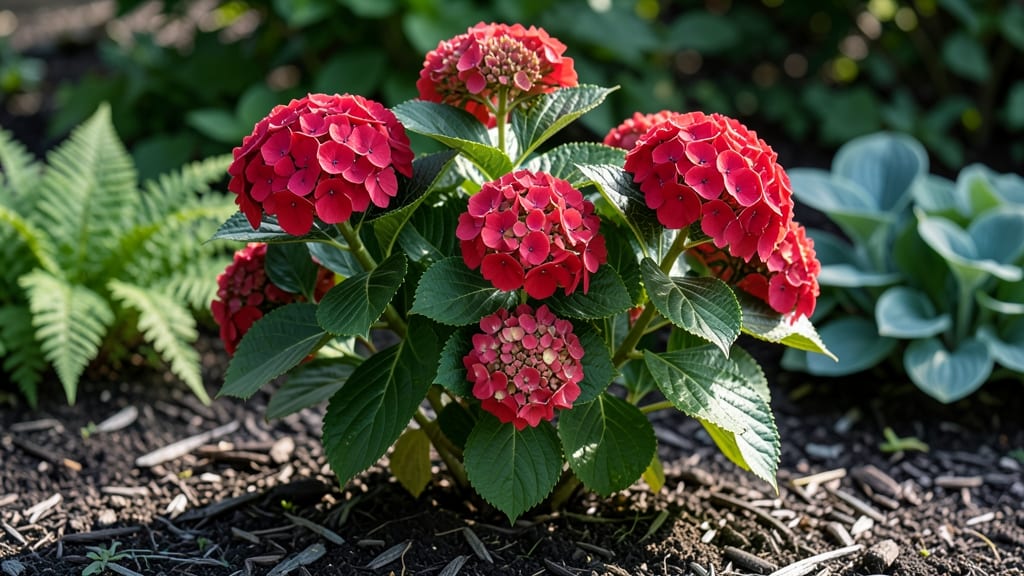
Hydrangea Red 'N Pretty delivers the kind of bold red blooms that make neighbors do a double-take. 🌸 I’ve used them as container stars, border anchors, and even in mixed planters where their deep crimson color pops against everything—even other reds.
The secret isn’t just their color but how they hold up through heat and humidity while still looking fresh.
These hydrangeas shine in 10-14 gallon containers with a mix of soil and compost, paired with other thrillers like black mondo grass or spillers like trailing lobelia. Their mophead blooms stay vibrant for weeks, making them perfect for patios, decks, or even as standalone statement pieces.
The key is keeping them in morning sun with afternoon shade—they’ll reward you with blooms that last from midsummer through fall.
Imagine your front porch bursting with color or your dining table surrounded by containers that scream “summer.” Red 'N Pretty hydrangeas bring that drama without the fuss. They pair beautifully with silver foliage plants to make reds look even richer, or with creamy white flowers for a bold contrast.
The possibilities are endless once you see them in person.
Whether you’re filling a single pot or creating a container garden display, these hydrangeas deliver year after year. They’re the kind of plant that turns heads—and not just because of their color, but because they’re so easy to love. Ready to make your space stand out?
📚 In This Guide
- What you need
- Instructions
- Tips and common mistakes
- Wrapping up and next steps
What you need
- ● Hydrangea Red 'N Pretty plant: 1 healthy nursery-grown specimen (check for vibrant green leaves and firm stems).
- ● Container: A minimum 12-inch diameter pot with drainage holes (terracotta, ceramic, or high-quality plastic). Pro tip: For larger blooms, opt for a 15-18 inch container! 💡
- ● Potting soil: 3-5 gallons of well-draining, acidic potting mix (pH 5.5–6.2). Mix in perlite or orchid bark (10-20%) for aeration.
- ● Drainage medium: Small pebbles, gravel, or broken pottery shards (1-2 inches layer at the container’s base).
- ● Slow-release fertilizer: 1-2 tbsp of acid-loving plant fertilizer (e.g., Miracle-Gro Azalea/Camellia/Fern).
- ○ Mulch: 1-2 inches of pine bark or wood chips (optional but helps retain moisture).
- ● Container saucer or tray: To catch excess water and protect surfaces.
- ● Liquid fertilizer: Balanced 10-10-10 or hydrangea-specific feed (diluted to half-strength).
- ● Epsom salt: 1 tbsp monthly (boosts red bloom intensity!).
- ● Plant supports: A small stake or cage (if your hydrangea grows tall).
- ● pH test kit: To monitor soil acidity (aim for 5.5–6.2).
Step-by-step instructions for growing hydrangea 'Red 'N Pretty' in containers
Here's how to coax those bold, blush-pink blooms into thriving in pots—no green thumb required.
🪴 Step 1: Choose the Right Container and Drainage
Select a container at least 18 inches wide and deep—hydrangeas need room for roots to spread. I like glazed ceramic or plastic pots because they retain moisture better than terra cotta, which dries out too fast. If your pot lacks drainage holes, drill 2-3 holes in the bottom to prevent root rot.
Place a 2-inch layer of gravel or broken pottery at the bottom before adding soil. This creates space for excess water to escape while keeping roots above soggy conditions. Your container should also have 4-6 drainage holes total—more holes mean better airflow and fewer fungal issues.
🌱 Step 2: Plant in Well-Draining, Acidic Soil
Fill your pot with a mix of 50% premium potting soil and 50% peat moss or coconut coir. Hydrangeas love acidic soil—aim for a pH of 5.5-6.2—so add 1 cup of sulfur-based soil acidifier to the mix. I stir it in thoroughly before planting to ensure even distribution.
Dig a hole twice as wide as the root ball but only as deep as the top of the root flare (where roots meet stem). Gently remove the plant from its nursery pot, loosen any circling roots with your fingers, and place it in the hole. The top of the root ball should sit 1 inch below the pot’s rim—this prevents water from pooling around the stem.
💧 Step 3: Water Deeply and Mulch to Retain Moisture
Water the plant thoroughly until water runs out the drainage holes. Hydrangeas hate dry soil—keep the top 2 inches of soil consistently moist (but never soggy). I use a watering can with a rose attachment to direct water to the roots without disturbing the plant.
Spread 2 inches of pine bark mulch over the soil surface, leaving a 1-inch gap around the stem to prevent rot. Mulch keeps roots cool and retains moisture, which is especially critical in containers where soil dries out faster. Replenish mulch every 3-4 months or when it breaks down.
☀️ Step 4: Position for Morning Sun and Afternoon Shade
'Red 'N Pretty' thrives in partial shade, so place your container where it gets morning sun (3-4 hours) and afternoon shade. A spot under a dappled tree canopy works perfectly—just avoid deep shade, which weakens blooms. If your patio gets hot afternoon sun, move the pot to a shadier location by midday.
Rotate the pot a quarter turn every 2 weeks so the plant grows evenly toward the light. You’ll notice leaves leaning toward one side—that’s your cue to adjust the position. Avoid sudden moves, though; hydrangeas dislike abrupt changes in light exposure.
✂️ Step 5: Prune and Feed for Continuous Blooms
Prune in late winter or early spring before new growth appears. Cut back last year’s stems by ⅓ to encourage bushier growth and more flowers. Remove any dead, damaged, or crossing branches with clean, sharp pruners. I sterilize my tools with rubbing alcohol between cuts to prevent disease.
Feed every 4-6 weeks during growing season with a balanced, acid-loving plant fertilizer (like 10-10-10 or a hydrangea-specific formula). Follow package instructions, but reduce doses by half—hydrangeas are sensitive to over-fertilizing. You’ll know it’s working when new leaves emerge dark green and glossy within a week.
Tips & tricks for growing hydrangea 'Red 'N Pretty' in containers
Here's what nobody tells you about keeping these vibrant beauties thriving in pots—lessons I learned after watching three hydrangeas struggle before finally getting it right.
Container Size Matters: That 18-inch minimum isn't just a suggestion—hydrangeas spread roots aggressively. I've seen plants in 15-inch pots struggle with stunted growth and fewer blooms. If you're using a smaller container, consider planting a smaller hydrangea variety or accept that you'll need to prune more aggressively. The extra space prevents root competition and helps maintain that lush, bushy shape we all love.
Soil pH is Non-Negotiable: The 5.5-6.2 pH range isn't just a recommendation—it's the difference between vibrant blooms and sad, yellowing leaves. I test my soil annually with a simple pH meter (they're cheap!) and adjust with sulfur-based acidifier if needed. If your tap water is alkaline, use rainwater or distilled water for watering to maintain that perfect acidity. The color change in your blooms will be dramatic when you get this right.
Watering Wisdom: Those 2 inches of consistently moist soil mean checking daily during summer heat. I set a timer on my phone to remind me—hydrangeas in containers dry out shockingly fast. The key is thorough watering: when you water, do it until you see water running out those drainage holes. This prevents shallow root systems that lead to weak plants. And never let them sit in saucers of water—empty those after 15 minutes.
Light Positioning Secret: That 3-4 hours of morning sun is crucial, but timing matters too. I've found that moving pots to shade by midday prevents leaf scorch while still giving them enough light for strong blooms. Watch for leaves curling or turning brown—this is your plant's way of saying "it's too hot!" A sheer curtain can help diffuse intense afternoon sun if you can't move the pot.
Pro Tips for Hydrangea Red N Pretty
- Here's what nobody tells you about keeping these vibrant beauties thriving in pots—lessons I learned after watching three hydrangeas struggle before finally getting it right.
- Container Size Matters: That 18-inch minimum isn't just a suggestion—hydrangeas spread roots aggressively.
- Soil pH is Non-Negotiable: The 5.5-6.2 pH range isn't just a recommendation—it's the difference between vibrant blooms and sad, yellowing leaves.
Frequently asked questions
Got questions about growing Hydrangea Red 'N Pretty in containers? You’re not alone! Here are some of the most common queries—plus quick, practical answers to keep your blooms thriving.
How often should I water my Red 'N Pretty hydrangea in a container?
Water your hydrangea consistently—aim for 1-2 inches per week, adjusting for heat or wind. Containers dry out faster than ground soil, so check moisture daily in summer. Mulch helps retain moisture, and always empty saucers after watering to prevent root rot.
When is the best time to prune Red 'N Pretty hydrangeas?
Prune right after flowering (late summer/early fall) to shape the plant and encourage next year’s blooms. Avoid pruning in late winter or early spring—this cuts off flower buds before they open! Use clean, sharp shears and remove no more than 1/3 of the plant at a time.
Why aren’t my hydrangea blooms turning red? Can I change their color?
Red ‘N Pretty’s color depends on soil pH—acidic soil (pH 5.5 or lower) produces red blooms, while alkaline soil turns them blue/purple. Test your soil and amend with sulfur (for acidity) or lime (for alkalinity) as needed. Note: Color shifts take 6-8 weeks to show!
What pests or diseases should I watch for with container hydrangeas?
Keep an eye out for aphids, spider mites, and scale insects—they love hydrangeas! Treat with neem oil or insecticidal soap if spotted. Powdery mildew can also appear in humid conditions; improve airflow and avoid overhead watering. Prevention tip: Inspect leaves weekly and remove damaged foliage promptly.
Can I grow Red 'N Pretty hydrangeas indoors year-round?
While possible, hydrangeas thrive outdoors and need bright, indirect light (6+ hours daily) and high humidity indoors. If growing inside, place near a south-facing window or use grow lights. Warning: They’re not low-maintenance houseplants—expect slower growth and fewer blooms compared to outdoor containers.
Wrapping up and next steps
The Hydrangea 'Red 'N Pretty' is a stunning, low-maintenance beauty that brings bold color and charm to any space—even small containers! 🌸 With its vibrant blooms and adaptable nature, it’s perfect for gardeners of all levels.
Whether you’re a seasoned pro or just starting, this shrub rewards patience with breathtaking results.
Ready to transform your patio or balcony? Grab your supplies, follow the care tips, and watch your Red 'N Pretty thrive! Plant it this season and enjoy years of effortless elegance. Happy gardening! 🌿