
Pruning
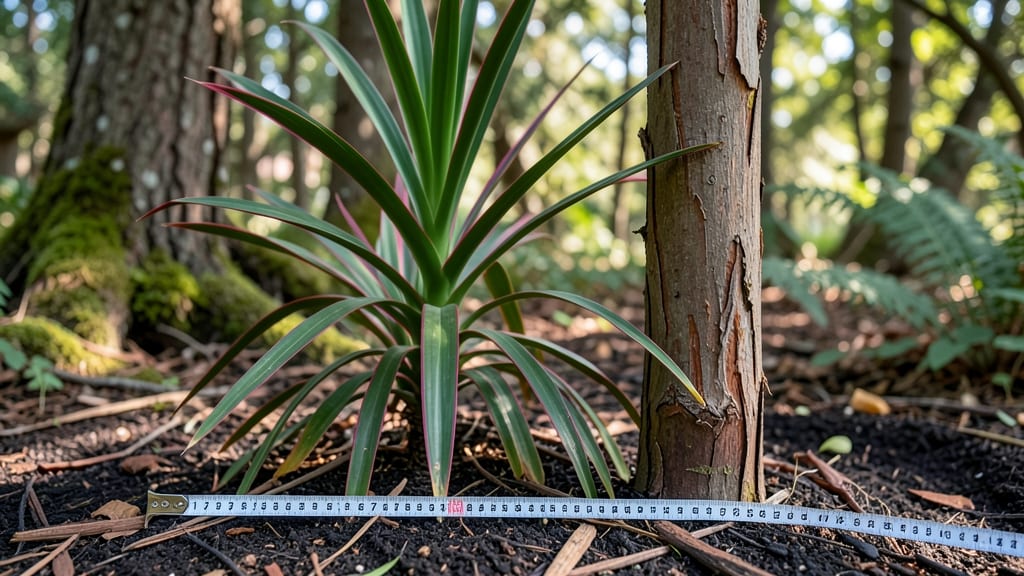
Deciding between a hydrangea tree and shrub changes how your garden looks—and how much work you’ll do. 🌿 The key difference? Tree forms like paniculata grow tall and upright, while shrubs like macrophylla spread wide with layered blooms. One needs dramatic pruning; the other thrives with minimal cuts.
Tree hydrangeas (think paniculata or quercifolia) shoot straight up to 10–20 feet, perfect for focal points. Shrubs (macrophylla or arborescens) stay 3–6 feet tall but sprawl, filling space with clusters.
The trade-off? Trees bloom on new wood, so you prune after flowering. Shrubs bloom on old wood—wait until spring.
Sunlight and soil needs differ too: tree types handle partial shade but crave well-draining soil; shrubs tolerate shade but rot in soggy ground. Your choice depends on whether you want height or volume—and how much pruning you’re willing to tackle.
For small yards, shrubs win. For statement pieces, go tree. Both deliver summer-long blooms, but their care couldn’t be more different. Let’s break it down so you pick the right one for your space.
The first product explained
Meet the Panache® Hydrangea Tree—a stunning hybrid that bridges the gap between traditional shrubs and tree-like elegance! 🌿✨ This product is designed for gardeners who love the dramatic blooms of hydrangeas but crave a more structured, tree-form silhouette.
Whether you're a pruning novice or a seasoned green thumb, this variety delivers effortless beauty with minimal fuss.
🌱 Specs & Features
- Type: Tree-form hydrangea (Macrophylla x Arborescens hybrid)
- Height: Matures to 6–8 feet tall with a 4–5 foot spread
- Bloom Season: Summer to early fall (June–October)
- Flower Color: Vibrant blooms in shades of pink, blue, or white (color varies by soil pH!)
- Growth Rate: Moderate (12–18 inches per year)
- Sunlight Needs: Partial shade to full sun (morning sun + afternoon shade ideal)
- Hardiness Zones: 4–9 (USDA)
- Pruning-Friendly: Designed for easy shaping and maintenance
🎯 Target Users
This hydrangea tree is perfect for:
- Small-space gardeners: Ideal for patios, courtyards, or urban gardens where shrubs may feel too sprawling.
- Landscape designers: Offers a polished, architectural look for borders, focal points, or mixed containers.
- Pruning enthusiasts: Lets you sculpt a unique shape without sacrificing blooms (unlike some shrubs!).
- First-time growers: Low-maintenance yet striking—great for those who want beauty with minimal effort.
💰 Price Point & Availability
The Panache® Hydrangea Tree typically retails for $49.99–$79.99 per plant, depending on size and retailer (1-gallon pots are common). You’ll find it at:
- Local nurseries (spring/fall seasons)
- Online plant shops (e.g., Proven Winners, Wayfair)
- Big-box stores (e.g., Home Depot, Lowe’s during peak gardening months)
💡 Pro Tip: Look for "bare-root" options in early spring for a budget-friendly alternative!
The second product explained
Meet the Hydrangea paniculata—the star of the tree world! 🌿✨ If you're dreaming of a showstopping hydrangea with a tree-like structure but still crave that classic shrub charm, this is your plant. Unlike its bushy cousins, Hydrangea paniculata grows upright, reaching heights of 6 to 12 feet (sometimes even taller with proper care!). Its panicle-shaped blooms add a touch of elegance, and the best part? It thrives in full sun to partial shade, making it a versatile pick for any garden.
🌱 Key Features & Specs
- Growth Habit: Upright, tree-like form (though still a shrub at heart!)
- Height: 6–12 feet (dwarf varieties stay compact at 3–5 feet)
- Spread: 4–8 feet wide (depending on variety)
- Bloom Time: Summer to fall (late bloomers like 'Limelight' shine in September!)
- Color Range: White, pink, or greenish hues (some varieties transition to blush tones)
- Hardiness: Zones 3–8 (cold-resistant and low-maintenance!)
- Soil Preference: Well-draining, slightly acidic (but adaptable)
🎯 Who’s It For?
Perfect for gardeners who want:
- 🌳 A statement plant with height and structure (great for borders or focal points!)
- 🌸 Long-lasting blooms that keep the show going into autumn
- 🌞 Sun-loving plants that thrive in hotter climates
- 🐝 Pollinator-friendly flowers (bees and butterflies adore them!)
💰 Price Point & Availability
You’ll find Hydrangea paniculata at most nurseries, garden centers, or online retailers like Proven Winners, Monrovia, or local big-box stores. Prices vary by size and variety:
- 🌱 Small (3–5 gallon pots): $30–$60
- 🌳 Mature (15+ gallon pots): $80–$150+
- 💡 Pro Tip: Check for dwarf varieties (like 'Little Lime') if space is tight—they’re just as stunning!
🔥 Why Choose This Over a Shrub?
Unlike traditional hydrangea shrubs (like H. macrophylla), H. paniculata offers:
- 🌿 Vertical growth for a tree-like silhouette without the wait
- 🍂 Fall color that outshines many shrubs
- 🌞 Better sun tolerance (ideal for sunnier yards)
- 🌱 Easier pruning—just trim back in late winter/early spring!
Head-to-head comparison
Ready to dive into the hydrangea tree vs. shrub showdown? Let’s break it down with a side-by-side comparison that covers everything from growth habits to maintenance—so you can pick the perfect plant for your space! 🌿✨
🌱 Growth Habit & Size
If you’re dreaming of a statement plant, these two hydrangeas take very different stages. Here’s how they stack up:
| Feature | Hydrangea Tree (e.g., Oakleaf or Panicle Hydrangea) | Hydrangea Shrub (e.g., Bigleaf or Smooth Hydrangea) |
|---|---|---|
| Height | 6–12 ft (or taller with training!) | 3–6 ft (compact but bushy) |
| Spread | 6–10 ft (wide, tree-like canopy) | 3–5 ft (rounded, mounded shape) |
| Growth Rate | Moderate to fast (with proper care) | Moderate (slower but steady) |
| Form | Single trunk (or multiple trunks for a "multi-stem" look) | Multi-stemmed, bushy base |
💡 Pro Tip: If you love height and drama, a hydrangea tree will give you that wow factor—perfect for focal points in gardens or as a small shade tree. Shrubs, on the other hand, are ideal for borders, hedges, or container gardening where you want lush, low-maintenance foliage.
🌸 Flowering & Blooms
Let’s talk color, season, and show-stopping blooms—because who doesn’t love a garden full of flowers? 🌺
| Feature | Hydrangea Tree | Hydrangea Shrub |
|---|---|---|
| Flower Type | Panicles (cone-shaped) or lacecap (flat clusters) | Mophead (round, pom-pom-like) or lacecap |
| Bloom Season | Mid to late summer (some rebloom with care) | Late spring to summer (most are once-blooming) |
| Color Range | White, cream, pink, or green (panicle types) | Blue, pink, purple, or white (pH-dependent!) |
| Reblooming Potential | ✅ Yes (especially panicle types like Limelight) | ❌ Mostly no (except some modern hybrids) |
💡 Pro Tip: Want year-round interest? Opt for a panicle hydrangea tree—they often hold blooms into fall and some even rebloom with deadheading. Shrubs like Bigleaf are stunning but usually one-and-done for the season (unless you’re growing a reblooming hybrid).
🌳 Pruning Needs
This is where things get critical—because prune wrong, and you might kill the blooms! Here’s how to handle each:
| Feature | Hydrangea Tree | Hydrangea Shrub |
|---|---|---|
| Best Time to Prune | Late winter or early spring (before buds swell) | Depends! Bigleaf: Late summer/fall Panicle/Smooth: Late winter |
| Pruning Method | Shape like a tree—remove lower branches to create a clear trunk | Thin out center for airflow; cut back old wood (if needed) |
| Deadheading? | ✅ Yes (encourages reblooming in panicle types) | ❌ No (can reduce next year’s blooms in Bigleaf) |
| Severity | Moderate (focus on structure) | Light to moderate (avoid over-pruning) |
🔥 Warning: If you’re growing a Bigleaf hydrangea shrub, never prune in late winter—you’ll cut off next year’s flower buds! Trees are more forgiving but still need strategic cuts to maintain their shape.
💰 Cost & Availability
Budget matters! Here’s what you’ll likely pay for each:
| Feature | Hydrangea Tree | Hydrangea Shrub |
|---|---|---|
| Price Range (Container-Grown) | $40–$120+ (depends on size/maturity) | $20–$80 (smaller plants are cheaper) |
| Where to Buy | Nurseries, online (e.g., Fast-Growing-Trees.com), specialty growers | Big-box stores, local nurseries, garden centers |
| Long-Term Cost | Higher (larger plant, more pruning tools needed) | Lower (easier to maintain, less frequent pruning) |
💡 Pro Tip: If you’re on a budget, start with a small shrub—they’re easier to find and grow. But if you’re willing to invest upfront, a mature hydrangea tree will give you instant curb appeal!
🏡 Best Uses in Landscaping
Where will your hydrangea shine the brightest? Here’s how each excels:
- Hydrangea Tree:
- ✅ Focal point in a garden or entryway
- ✅ Small shade tree alternative
- ✅ Privacy screen (if planted in a row)
- ✅ Container gardening (dwarf varieties)
- Hyd
Which one should you choose?
So, which should you choose—hydrangea trees or hydrangea shrubs? The answer depends on your garden’s vision, space, and maintenance style! Here’s a quick verdict to help you decide:
🌳 Pick a Hydrangea Tree If...
- 🎨 You want a statement piece: Trees create instant focal points with their upright, layered blooms—perfect for small yards or as a dramatic centerpiece.
- 🏡 You’re short on space: Their compact growth habit (compared to sprawling shrubs) makes them ideal for patios, balconies, or tight corners.
- 🌿 You prefer low-maintenance pruning: With fewer branches to trim, trees require less upkeep while still delivering big blooms.
- 🌸 You love seasonal variety: Some varieties (like Hydrangea paniculata) offer four seasons of interest—spring foliage, summer blooms, fall color, and winter structure.
🌿 Pick a Hydrangea Shrub If...
- 🌺 You crave abundant, cascading flowers: Shrubs like Hydrangea macrophylla produce voluminous clusters that spill over edges, creating a lush, romantic look.
- 🏡 You have space to fill: Shrubs thrive in borders, hedges, or as backdrop plants, offering privacy and texture in larger gardens.
- 🎨 You enjoy color flexibility: Bigleaf hydrangeas let you change bloom colors with soil pH adjustments—fun for creative gardeners!
- 🌱 You’re up for a little extra care: Shrubs may need more pruning to shape their sprawling forms, but the payoff is stunning, long-lasting blooms.
💡 Pro Tip for Undecided Gardeners:
Why not both? Use a hydrangea tree as a structural anchor (e.g., near a mailbox or entryway) and flank it with shrubs for soft, overflowing color. This combo creates depth, drama, and year-round appeal—without overwhelming your space!
🌟 Final Thought: Trees win for ease and elegance; shrubs shine for volume and versatility. Choose based on your garden’s personality—and don’t forget to prune strategically to keep both looking their best!