
Light Requirements
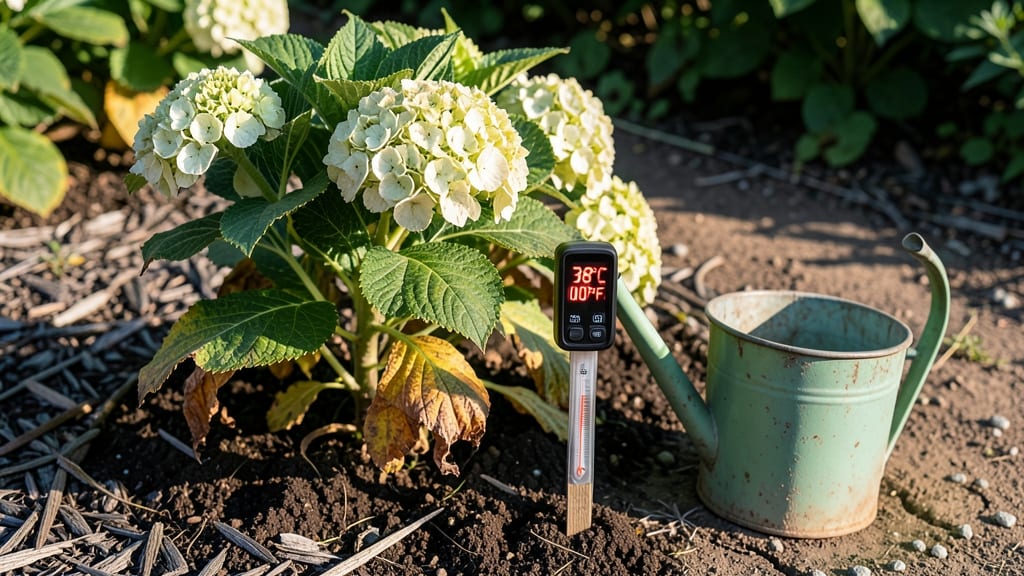
Hydrangeas wilt in sun because they’re basically sunburning under your nose. 🌿 I’ve seen these stunning blooms go from lush to limp in hours when planted in full sun—it’s not just wilting, it’s heat stress and dehydration fighting for survival.
The key isn’t to move them (unless you want to), but to give them the right shade, water, and care to bounce back.
The problem starts with their leaves: hydrangeas have delicate foliage that cooks in direct sun, causing them to drop water faster than roots can replace it. Even worse, the blooms themselves can scorch, leaving you with sad, brown flower heads instead of those showstopping clusters.
But here’s the good news—this is fixable, and I’ll show you how to bring them back to life without losing them for good.
With the right adjustments, you’ll see hydrangeas thriving in 4-6 weeks, with deeper green leaves and fuller blooms. The secret? A mix of afternoon shade, consistent watering, and a thick layer of mulch to keep roots cool.
It’s not about giving up on your hydrangeas—it’s about giving them the care they actually need to shine.
This works for both container and in-ground hydrangeas, whether you’re dealing with a single plant or a whole garden bed. Let’s turn those wilting stems into a lush, blooming statement piece—no sunburn required.
Root Causes Of Sun Stress
When your hydrangeas start wilting under the sun, it’s rarely just "too much light"—it’s usually a cascade of physiological stress responses triggered by heat, dehydration, and even soil chemistry.
Understanding these underlying factors will help you diagnose the issue and take targeted action. Let’s break down the science behind why your hydrangeas are struggling in bright conditions.
Hydrangeas are mesophytes, meaning they thrive in moderate temperatures and humidity. When exposed to intense sunlight, their broad leaves absorb excessive heat, causing:
- Rapid water loss: The sun’s energy increases transpiration rates (water evaporation through stomata) by up to 30-50% compared to shaded conditions. Without enough water in the soil, leaves wilt as cells lose turgor pressure.
- Photosynthesis shutdown: Temperatures above 85°F (29°C) can denature enzymes in the chloroplasts, halting sugar production. The plant prioritizes survival over growth, leading to droopy, yellowing foliage.
- Root heat stress: Soil temperatures above 90°F (32°C) can kill beneficial mycorrhizal fungi that help hydrangeas absorb water. Roots may even suffocate if the soil dries out too quickly.
Pro Tip: 🌡️ Use a soil thermometer to monitor temperatures—ideal range for hydrangeas is 60–75°F (15–24°C). Mulch with wood chips or straw to keep roots cool.
Hydrangeas have shallow, fibrous root systems that rely on consistent moisture. Sun exposure accelerates evaporation, but the real damage happens when:
- Surface drying: Topsoil dries out first, creating a "hardpan" layer that blocks water from reaching deeper roots. Hydrangeas can’t compensate by growing deeper roots like drought-tolerant plants.
- Oxygen deprivation: Clay-heavy or compacted soils bake hard in the sun, reducing oxygen availability. Roots switch to anaerobic respiration, producing ethanol (toxic to cells) instead of energy.
- pH fluctuations: Hydrangeas are pH-sensitive. Sunlight increases soil acidity (lower pH) in alkaline areas, locking out micronutrients like iron and manganese, which causes chlorosis (yellowing between veins) and wilting.
Actionable Fix: 💡 Test your soil’s moisture retention by squeezing a handful—it should hold together but not be soggy. Amend with peat moss or coconut coir to improve water retention.
While hydrangeas can tolerate partial sun, prolonged direct UV exposure leads to:
- Cell membrane breakdown: UV rays disrupt lipid layers in leaf cells, causing oxidative stress. This leads to necrotic spots (brown, crispy patches) and wilting as cells lose integrity.
- Chlorophyll degradation: Excess UV accelerates chlorophyll bleaching, reducing the plant’s ability to photosynthesize. Wilting often starts on south- or west-facing leaves first.
- Hydrangea-Specific Vulnerability: Varieties like Hydrangea macrophylla (e.g., Endless Summer) have thin, delicate leaves with poor cuticle protection, making them prone to sun scorch.
Quick Test: ✨ Check for white or pale patches on leaves—this is a classic sign of UV damage. Move the plant to dappled shade (e.g., under trees) to see if wilting improves within 3–5 days.
Each of these factors—heat, dehydration, and UV stress—works in tandem to weaken your hydrangeas. The good news? Most issues are reversible with strategic shade, soil adjustments, and water management. Stay tuned for our next section on diagnosing the severity of your plant’s distress.
Revive & Protect Your Hydrangeas
If your hydrangeas are wilting under the sun, don’t panic—there are simple, effective ways to nurse them back to health and keep them thriving. The key is identifying the root cause (whether it’s overheating, dehydration, or root stress) and taking targeted action.
Below, we’ll break down solutions by problem, plus easy prevention tips to keep your plants lush and happy.
If wilting is due to root shock from heat or poor soil drainage, your hydrangeas need immediate hydration and long-term soil improvements.
💦 Step 1: Deep Watering Technique
- When: Early morning or late evening (avoid midday sun).
- How: Water slowly at the base (not the leaves) until soil is thoroughly moist—about 1–2 inches deep. Use a hose with a gentle spray or a watering can with a narrow spout.
- Pro Tip: 💡 Check soil moisture by sticking your finger 2 inches into the soil. If it’s dry, water again. Hydrangeas prefer consistently moist (not soggy) soil.
🌱 Step 2: Improve Soil Drainage
- For clay soil: Mix in compost or peat moss (1 part compost to 3 parts soil) to improve aeration.
- For sandy soil: Add organic matter like coconut coir or well-rotted manure to retain moisture.
- Mulch Matters: 🌡️ Spread 2–3 inches of mulch (wood chips, straw, or pine needles) around the base (keep it away from the stem) to cool roots and lock in moisture.
⏰ Step 3: Temporary Shade Relief
- If wilting persists, provide afternoon shade (1–3 PM) using:
- A lightweight shade cloth (30–50% block).
- A large umbrella or patio awning nearby.
- Avoid full shade—hydrangeas still need 4–6 hours of morning sun for blooms.
If leaves are yellowing, crispy, or bleached from direct sun exposure, they need protection and recovery care.
🛡️ Step 1: Move or Modify Light
- Immediate Fix: Shift the plant to a spot with dappled shade (e.g., under a tree with filtered light) or move it to a north-facing or east-facing window if potted.
- Permanent Fix: If outdoors, plant near taller shrubs or a trellis that provides natural shade during peak sun (10 AM–4 PM).
🚿 Step 2: Hydrate & Cool Leaves
- Mist lightly in the morning to raise humidity (avoid evening misting to prevent fungal issues).
- Use a fan on low speed near the plant to improve air circulation and reduce heat stress.
- Trim damaged leaves with clean scissors to redirect energy to healthy growth.
🌿 Step 3: Fertilize for Recovery
- Feed with a balanced, water-soluble fertilizer (10-10-10 or 20-20-20) diluted to half strength to avoid further stress.
- Organic option: Use fish emulsion or compost tea for a gentle nutrient boost.
Wilting from insufficient water (even in partial shade) requires a moisture-focused approach.
💧 Step 1: Upgrade Your Watering Game
- Frequency: Water every 2–3 days in hot weather (daily if temperatures exceed 90°F).
- Method: Use a soaker hose or drip irrigation to deliver water directly to the roots without wetting leaves (which can cause mildew).
- Pro Tip: 🌡️ Test the “squeeze test”—grab a handful of soil; if it crumbles easily, it’s too dry. If it stays clumped, it’s moist enough.
🌱 Step 2: Retain Moisture with Hydrogels
- Mix water-absorbing crystals (hydrogels) into the soil before planting or top-dress existing plants. These beads hold 100x their weight in water and release it slowly.
- Alternative: Add sphagnum moss to the soil mix for natural moisture retention.
🌧️ Step 3: Collect Rainwater
- Place a rain barrel nearby to collect water for irrigation. Rainwater is softer and cooler than tap water, reducing stress on roots.
Once your hydrangeas recover, keep them thriving with these long-term strategies:
- 🌳 Choose the Right Location:
- Plant in partial shade (morning sun + afternoon shade) or under light-filtering trees like birch or cherry.
- Avoid south- or west-facing walls that bake plants.
- 🌱 Select Heat-Tolerant Varieties:
- Opt for ‘Endless Summer,’ ‘Limelight,’ or ‘Nikko Blue’—these varieties handle sun better than traditional types.
- 🌿 Prune Strategically:
- Trim back overly dense foliage to improve airflow and reduce heat buildup.
- 📅 Monitor the Weather:
- During heatwaves (above 85°F), increase watering frequency and provide extra shade.
- 🌱 Mulch Year-Round:
- Refresh mulch every spring to maintain its insulating properties.
With these fixes, your hydrangeas should perk up within 1–2 weeks. Keep an eye on their progress, and don’t hesitate to adjust shade or watering as needed. Soon, you’ll be enjoying vibrant blooms instead of wilted frustration! 🌸
Frequently asked questions
Why do my hydrangea leaves turn brown and crispy in direct sunlight?
This is classic sun scorch, where UV rays damage leaf cell membranes. Look for white or pale patches—these areas lose moisture faster than roots can replace it. Hydrangeas need morning sun + afternoon shade; move them to a spot with filtered light or provide temporary shade cloth during peak sun hours (11 AM–3 PM).
Can I save a hydrangea that’s already wilting from too much sun?
Yes! First, trim any crispy or yellowed leaves to reduce stress. Then give it deep watering at the base (1–2 inches of soil) and move it to partial shade immediately. Within 3–5 days, you should see improvement if roots are still healthy. If stems are mushy, the plant may be too far gone.
How often should I water hydrangeas in hot weather?
In temperatures above 85°F (29°C), water every 2–3 days—more frequently if the soil feels dry 2 inches below the surface. Use a soaker hose to deliver water directly to roots (avoid wetting leaves to prevent mildew). Morning watering is best to reduce evaporation loss.
Will mulch really help my sun-stressed hydrangeas?
A 2–3 inch layer of mulch (wood chips or straw) keeps roots 5–10°F cooler and locks in moisture. Just keep it away from the stem to prevent rot. Refresh mulch every spring—it breaks down and loses effectiveness over time. Pro tip: Add hydrogels to the soil for extra moisture retention.
Are some hydrangea varieties more sun-tolerant?
Yes! Varieties like 'Endless Summer' and 'Limelight' handle more sun than traditional types. For full-sun spots, choose oakleaf hydrangeas (Hydrangea quercifolia) or panicle types (like 'Little Lime'), which are more heat-resistant. Even these need afternoon shade in extreme climates (above 90°F).