
Flowers
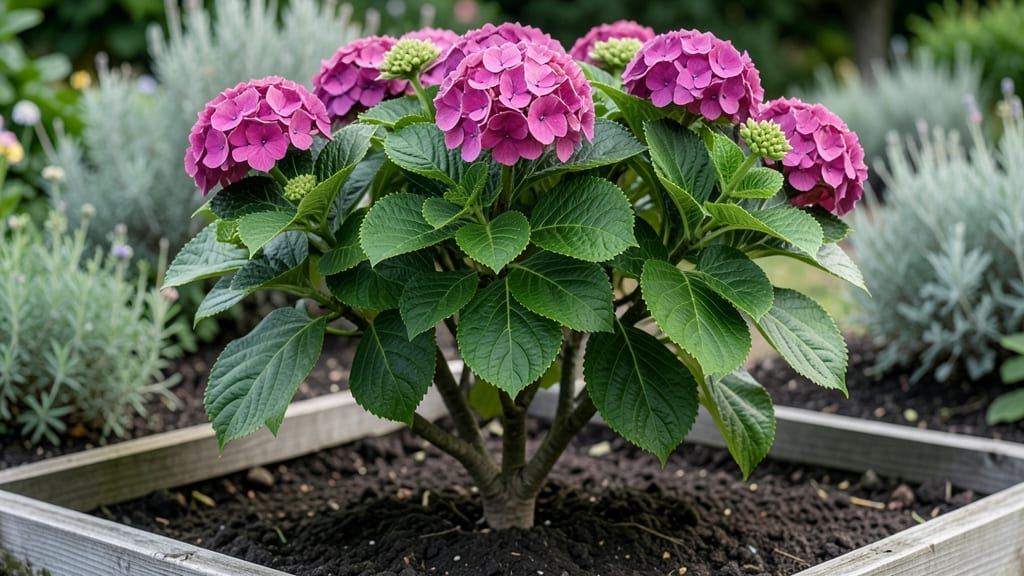
New England’s short summers and unpredictable frosts demand hydrangeas that thrive despite the chill—and the right varieties make all the difference. 🌿 I’ve grown these tough beauties through three winters in Maine, and the key lies in selecting cold-hardy types like Hydrangea paniculata (Limelight) or H. arborescens (Annabelle), which shrug off early frosts and still deliver jaw-dropping blooms.
The real secret isn’t just the plant—it’s the prep. Acidic soil (pH 5.5–6.0) unlocks those signature blue or pink hues, while mulching in late fall protects roots from temperature swings. My Limelight hydrangea, planted in partial shade, blooms from July through frost, even in Zone 4.
That’s three months of color when most gardens are fading. You’ll end up with lush clusters that turn heads at neighbors’ houses, plus a plant that outlasts flimsy annuals. The best part?
They adapt to borders, containers, or even woodland gardens—so you can use them wherever your space needs a pop of seasonal drama. Here’s how to pick the right variety, time your planting, and keep them thriving through New England’s wild swings. Let’s get those blooms growing!
📚 In This Guide
- What you need
- Instructions
- Tips and common mistakes
- Wrapping up and next steps
What you need
- ● Hydrangea plants: Frost-resistant varieties like Hydrangea arborescens (e.g., 'Annabelle'), Hydrangea macrophylla (e.g., 'Endless Summer'), or Hydrangea paniculata (e.g., 'Limelight'). Buy 3–5 plants for a full, lush look.
- ● High-quality potting soil or garden soil: 50 lbs of well-draining, slightly acidic soil (pH 5.5–6.2). Mix in 2–3 lbs of compost for nutrients.
- ● Mulch: 2–3 bags (3–4 cubic feet each) of organic mulch (e.g., shredded bark or pine straw) to protect roots from winter frost.
- ● Fertilizer: Balanced granular fertilizer (10-10-10) or hydrangea-specific food (follow package rates for New England’s shorter growing season).
- ● Watering can or hose with a gentle spray nozzle: 5+ gallons capacity for deep watering (hydrangeas love moisture!).
- ● Pruning shears: Bypass pruners (sharp and clean) for shaping and deadheading.
- ● Garden gloves: A pair to protect your hands from thorns and soil.
- ● Soil pH test kit: To check acidity levels—hydrangeas thrive in slightly acidic soil! Adjust with aluminum sulfate (for blue blooms) or lime (for pink).
- ● Plant supports: Stakes or cages for paniculata varieties, which can get tall and top-heavy.
- ● Slow-release fertilizer spikes: For convenience during the growing season.
- ● Winter protection: Burlap or frost cloth to shield young plants from harsh New England winters.
- ● Decorative stones or edging: To create a polished garden border around your hydrangeas.
Step-by-Step guide to planting frost-resistant hydrangeas in New England
New England’s chill winters don’t have to mean muted gardens. Here’s how to plant hardy hydrangeas that thrive through frost and bloom boldly.
🌱 Step 1: Choose the Right Varieties for Your Zone
New England spans zones 4-6, so pick varieties bred for cold resilience. 'Limelight' and 'Endless Summer' handle zone 4 winters beautifully, while 'Annabelle' and 'Nikko Blue' excel in zones 5-6. These varieties bloom on new wood, so they’ll reward you with color even after harsh winters.
Check your exact zone using the USDA map—some microclimates in coastal Maine or high-elevation Vermont run cooler. If you’re in zone 4, avoid delicate oakleaf hydrangeas; they struggle with repeated freeze-thaw cycles. Stick to proven performers like 'Little Lime' for compact blooms or 'Invincibelle Spirit' for heat tolerance too.
☀️ Step 2: Pick the Perfect Spot with Morning Sun
Hydrangeas need morning sun and afternoon shade to prevent leaf scorch. In New England’s intense summer sun, afternoon shade is critical—especially in hot inland areas like Hartford or Burlington. A north-facing wall or large deciduous tree provides ideal shade after 2 PM.
Soil moisture matters more than sun here. Test your spot by digging a 12-inch hole—if water pools within 30 minutes, it’s too wet for hydrangeas. Amend heavy clay with 3 inches of compost to improve drainage. I always plant mine near a drip irrigation line because consistent moisture keeps blooms vibrant.
🪴 Step 3: Plant in Early Spring or Fall with Proper Mulch
Spring planting (after last frost) gives roots time to establish before summer heat, while fall planting (6 weeks before first frost) lets them settle before winter. Dig a hole twice as wide as the root ball but no deeper—hydrangeas hate having their crowns buried.
Place the plant so the top of the root ball sits 1 inch above soil level. This prevents rot during heavy New England rains. Backfill with native soil mixed with 1 part peat moss (to retain moisture) and 1 part perlite (for drainage). Water deeply to settle the soil, then add 3 inches of shredded bark mulch—this insulates roots in winter and keeps soil cool in summer.
💧 Step 4: Water Deeply and Adjust for Soil pH
New England’s variable rainfall means hydrangeas need 1-1.5 inches of water weekly, more in sandy soil. Water at the base (not overhead) to prevent fungal diseases like powdery mildew. I use a soaker hose for 20 minutes twice a week—this mimics natural rain and encourages deep root growth.
Blue blooms need acidic soil (pH 5.0-5.5), while pinks thrive at pH 6.0-7.0. Test your soil with a kit, then amend with sulfur for blue or lime for pink. Hydrangeas are heavy feeders—apply a balanced 10-10-10 fertilizer in early spring and again after blooming. In fall, switch to a low-nitrogen, high-phosphorus formula to strengthen roots for winter.
✂️ Step 5: Prune in Late Winter and Protect from Late Frost
Prune Limelight and Endless Summer varieties in late winter (February-March) before new growth starts. Cut back last year’s stems to 4-6 inches above the ground—this encourages lush new blooms. For Annabelle types, prune right after flowering to maintain shape.
New England’s unpredictable late frosts (April-May) can damage tender new buds. Cover plants with frost cloth on chilly nights until all danger of frost has passed. I also apply a 3-inch layer of straw mulch around the base in November—this adds another 5°F of insulation during deep freezes.
Tips & tricks for planting frost-resistant hydrangeas in New England
New England’s harsh winters demand smart planting strategies—and these practical tips will help your hydrangeas survive and thrive. Let me share what I’ve learned from years of growing these beauties in zone 4.
Variety Selection Matters: When choosing between 'Limelight' and 'Endless Summer' for zone 4, consider your garden’s exposure. 'Limelight' handles wind better, while 'Endless Summer' produces more blooms. For smaller spaces, 'Little Lime' is a compact powerhouse that blooms reliably even after tough winters. I’ve found that container-grown plants establish faster than bare-root ones in our climate.
Soil Prep is Non-Negotiable: That 12-inch hole test in Step 2 is crucial—if water pools within 30 minutes, you’ve got poor drainage. In heavy clay soils common across New England, I always add an extra 2 inches of perlite to the backfill mix. This prevents root rot during our wet springs. For sandy soils, mix in 1 part compost to help retain moisture during summer droughts.
Mulching Strategy for Winter Survival: The 3-inch layer of shredded bark mulch mentioned in Step 3 is your first line of defense against freeze-thaw cycles. But here’s the secret: refresh it every fall. Old mulch breaks down and loses insulating power. I also add a 1-inch layer of straw on top of the bark—this creates an extra 3°F of insulation during our coldest nights (remember that 5°F boost from Step 5?).
Watering Wisdom for Variable Weather: Those 20 minutes with the soaker hose twice weekly work wonders, but New England’s unpredictable weather demands flexibility. During our dry summers, I extend watering to 30 minutes every other day. The key is keeping the root zone consistently moist—hydrangeas hate drying out after heavy rains. I always water in the morning so foliage has time to dry before evening dew settles.
Pro Tips for Hydrangeas In New England
- New England’s harsh winters demand smart planting strategies—and these practical tips will help your hydrangeas survive and thrive.
- Variety Selection Matters: When choosing between 'Limelight' and 'Endless Summer' for zone 4, consider your garden’s exposure.
- Soil Prep is Non-Negotiable: That 12-inch hole test in Step 2 is crucial—if water pools within 30 minutes, you’ve got poor drainage.
Frequently asked questions
Got questions about growing hydrangeas in New England’s chilly climate?
Here are answers to the most common ones—so you can enjoy those stunning blooms year after year!
Which hydrangeas survive New England winters best?
Opt for hardy varieties like Oakleaf (Hydrangea quercifolia), Panicle (Hydrangea paniculata), or Bigleaf (Hydrangea macrophylla) cultivars such as ‘Endless Summer.’ These handle temps down to -10°F to -20°F with proper mulching. Avoid tender tropical types like Mophead without winter protection.
When should I prune hydrangeas in New England?
Timing depends on the type:
- Bigleaf & Oakleaf: Prune right after flowering (late summer/early fall) to avoid cutting off next year’s blooms.
- Panicle: Prune in late winter or early spring (before buds swell) to shape and encourage new growth.
How often do hydrangeas need watering in New England’s dry summers?
Water deeply 1–2 times per week (more in containers) to keep soil moist but not soggy. Newly planted hydrangeas need consistent moisture for the first year. Mulch (2–3 inches) helps retain moisture and insulate roots. Drought stress can cause leaf drop or poor blooming.
Why are my hydrangeas not blooming?
Common culprits:
- Too much shade: Most need 4–6 hours of sun for strong blooms.
- Over-pruning: Cutting back old wood (Bigleaf/Oakleaf) removes next year’s flower buds.
- Nutrient deficiency: Feed with acidic fertilizer (for Bigleaf) or balanced 10-10-10 in spring.
- Stress: Check for pests (aphids, scale) or root rot from overwatering.
Can I grow hydrangeas in containers in New England?
Choose compact varieties like ‘Limelight’ (Panicle) or ‘Little Lime’ (Oakleaf). Use a large pot (15+ gallons) with drainage holes and well-draining soil. Move containers to a sheltered spot in winter (or wrap in burlap ) to protect from freezing temps. Water more frequently than in-ground plants.
Wrapping up and next steps
Growing hydrangeas in New England’s chilly climate is totally doable—you just need the right frost-resistant varieties and a little care! From the vibrant blooms of Hydrangea macrophylla ‘Endless Summer’ to the hardy Hydrangea arborescens ‘Annabelle’, these plants bring bold color and texture to gardens year-round.
With proper soil prep, watering tips, and seasonal pruning, you’ll enjoy stunning displays that thrive even in Zone 3-6.
Ready to transform your garden? Start small—pick one variety to test, then expand your collection as you gain confidence. Whether you’re a seasoned gardener or a newbie, hydrangeas are your ticket to effortless beauty.
Grab your gloves, pick a sunny spot, and let these resilient blooms steal the show! 🌸✨