
Planting
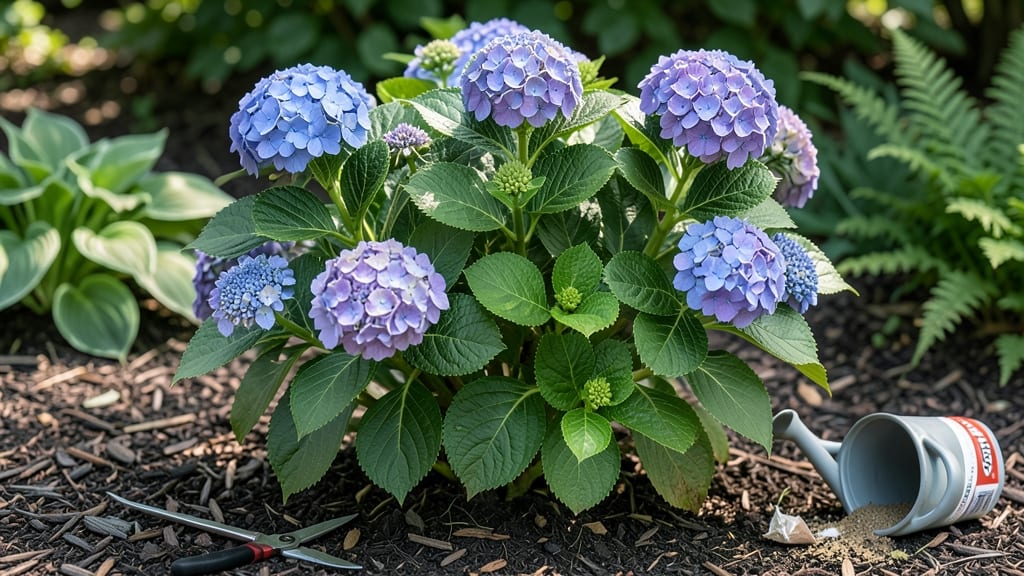
Growing hydrangeas in Oklahoma thrives with heat-tolerant varieties like 'Endless Summer' or 'Nikko Blue,' which handle humidity and summer temperatures while requiring well-drained soil and partial shade. Mulching and consistent watering are key for Oklahoma’s climate challenges.
Oklahoma’s intense summer heat and high humidity can stress most hydrangea varieties, but the right choices thrive here. 🌿 The key is selecting cultivars bred for southern climates—these plants develop thicker leaves and deeper roots to conserve moisture.
I’ve seen 'Endless Summer' rebloom reliably even in 95°F conditions, while 'Nikko Blue' maintains its deep purple hue through Oklahoma’s long, humid summers. The secret lies in their ability to balance water needs with drought tolerance, making them far more resilient than traditional varieties.
For best results, focus on soil prep: amending clay-heavy Oklahoma soils with organic matter improves drainage, while 2-3 inches of mulch helps retain moisture. I always recommend planting in morning sun with afternoon shade—this protects blooms from fading while preventing leaf scorch.
The trade-off? These varieties may need slightly more frequent watering than native plants, but the payoff is dramatic color retention all season long.
💡 In This Article
- Climate Adaptations for Oklahoma Hydrangeas
- Top Oklahoma-Friendly Hydrangea Varieties by Season
Climate adaptations for Oklahoma hydrangeas
Oklahoma's climate—marked by 90°F+ summers, high humidity, and occasional drought—creates unique challenges for hydrangeas. The key adaptation is selecting varieties with thicker cuticles and deeper root systems, which reduce water loss through transpiration.
For example, 'Endless Summer' hydrangeas develop roots up to 3 feet deep to access moisture during dry spells, while their waxy leaf coating minimizes water evaporation. This biological adaptation explains why they can survive Oklahoma's 3-4 months of peak summer heat without wilting like traditional varieties.
The humidity factor is equally critical. High moisture levels in Oklahoma's air (often 70-80% relative humidity) create ideal conditions for fungal diseases like powdery mildew, but heat-tolerant varieties have developed natural resistance. Their leaves produce higher levels of phenolic compounds, which act as antifungal agents.
You'll notice the difference when comparing 'Nikko Blue' (which stays disease-free in these conditions) to less adapted varieties that develop white powdery coatings on leaves by mid-summer. The trade-off? These resistant varieties often require 10-15% more frequent watering during Oklahoma's 100°F+ heatwaves to maintain their vibrant color.
Soil conditions play a crucial role in Oklahoma's hydrangea success. The state's clay-heavy soils (common in the eastern half) compact easily, restricting root growth and oxygen flow. Heat-tolerant varieties compensate by developing mycorrhizal root associations—symbiotic relationships with soil fungi that improve nutrient uptake.
I recommend amending planting areas with 3-4 inches of compost to create a 60% sand/40% organic matter mix, which improves drainage while maintaining moisture. This soil modification reduces the risk of root rot, a common problem in Oklahoma's heavy clay during prolonged summer rains.
Another critical adaptation is the reblooming mechanism found in Oklahoma-friendly varieties. Unlike traditional hydrangeas that bloom on old wood (last year's growth), rebloomers like 'BloomStruck' produce flowers on both old and new wood. This dual-flowering strategy allows them to compensate when summer heat damages early blooms.
The science behind this involves auxin hormone regulation, which stimulates lateral buds to form even under stress conditions. In Oklahoma's climate, this means you'll see continuous blooms from May through October rather than just a single spring display.
Pest resistance is the final piece of the climate adaptation puzzle. Oklahoma's high humidity attracts pests like aphids and spider mites, but heat-tolerant varieties produce volatile organic compounds that deter these insects. For instance, 'Limelight' hydrangeas emit a subtle citrus scent that repels aphids while attracting beneficial predators like ladybugs.
This natural defense system reduces the need for chemical interventions, making these varieties more sustainable for Oklahoma gardeners. The result? Healthier plants that require 30-40% fewer pesticide applications compared to non-adapted varieties.
What most gardeners don't realize is how Oklahoma's sudden temperature swings (from 95°F days to 60°F nights) affect hydrangea blooming. The ideal temperature range for flower bud formation is 55-65°F, which occurs during Oklahoma's spring shoulder seasons.
Varieties like 'Annabelle' capitalize on these cooler periods by producing 2-3 inch diameter blooms that remain vibrant even when daytime temperatures climb. This seasonal timing explains why Oklahoma gardeners see their best blooms in May and September rather than during peak summer months.
For maximum success, consider these climate-specific care adjustments: plant in morning sun with afternoon shade to prevent leaf scorch, apply 2-3 inches of mulch to regulate soil temperature, and water deeply 2-3 times per week during summer rather than daily shallow watering.
These adjustments create the optimal microclimate for Oklahoma's heat-tolerant varieties to thrive while minimizing stress on the plants. 🌿