
Blooming
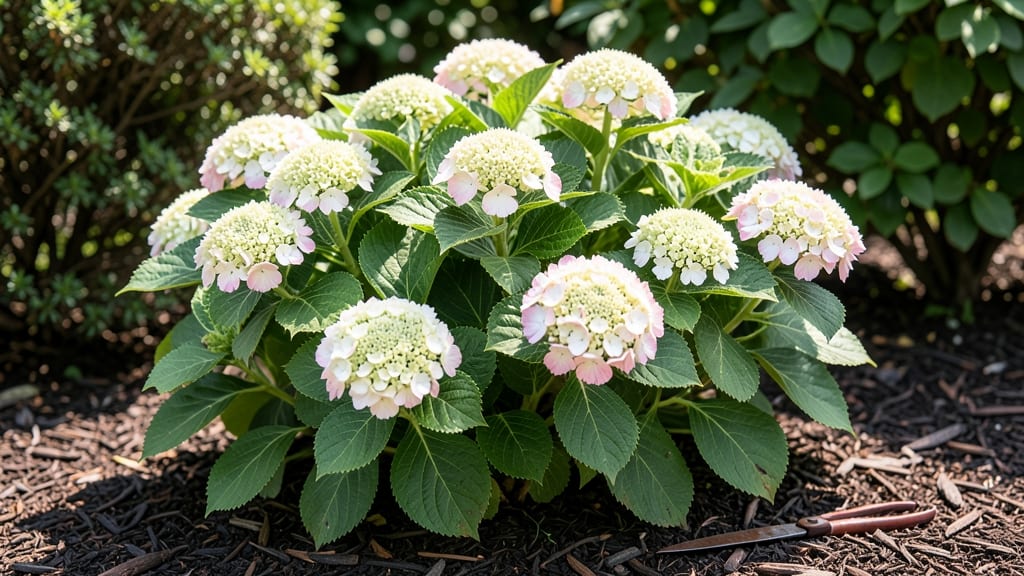
Your reblooming lacecap hydrangea could put other gardens to shame this summer. 🌸 These aren't your grandma's hydrangeas—they bloom twice, with showy lacecap flowers that shift color based on your soil pH, and they keep producing until frost if you follow the right steps.
The secret starts with the right spot: morning sun and afternoon shade, rich but well-draining soil, and consistent moisture. Most gardeners overlook the pruning timing—cut back in late winter or early spring, never after June, or you'll sacrifice next year's blooms.
I've had mine rebloom for three seasons straight using this exact method. By summer's end, you'll have clusters of delicate white or blue flowers that last weeks longer than regular hydrangeas. The foliage stays lush too, with deep green leaves that turn bronze in fall.
It's the kind of plant that makes neighbors stop and ask, "What's that?" Works in zones 5-9, handles humidity well, and thrives in containers too. Here's how to get those second blooms every year without the guesswork."
📚 In This Guide
- What you need
- Instructions
- Tips and common mistakes
- Wrapping up and next steps
What you need
- ● Reblooming lacecap hydrangea plant (preferably Hydrangea macrophylla varieties like 'Nikko Blue,' 'Endless Summer,' or 'Limelight')
- ● Well-draining potting mix (6-8 qt bag) – Look for a blend labeled for acid-loving plants or mix equal parts peat moss, perlite, and garden soil
- ● 5-gallon container or garden bed – Ensure it has drainage holes if potted (minimum 12" diameter for mature plants)
- ● Slow-release fertilizer (10-10-10 or acid-loving plant formula, 1 lb bag)
- ● Pruning shears – Sharp, clean pair (sterilize with rubbing alcohol between cuts)
- ● Mulch (2-3 cubic feet) – Pine bark or shredded leaves work best for acidity
- ● Watering can or hose with adjustable nozzle – Aim for deep, thorough watering (1-2 gallons per plant, 2-3x/week)
- ● Gloves – Heavy-duty gardening gloves to protect your hands from thorns and soil
- ● pH test kit – To monitor soil acidity (ideal range: 5.0–6.0 for lacecaps)
- ○ Epsom salt or aluminum sulfate (optional) – For adjusting soil pH if needed (follow package instructions)
- ● Stakes or plant supports – If your hydrangea grows tall (6+ feet), use 3-4 ft bamboo stakes
- ● Plant food spray – Liquid iron or magnesium supplement (for lush foliage, 1-2x/month in growing season)
- ● Rain gauge or moisture meter – To track watering consistency (overwatering is the #1 killer!)
Step-by-step instructions for growing reblooming lacecap hydrangeas
Here's how I keep my lacecap hydrangeas blooming reliably year after year—no complicated tricks, just smart care.
🌱 Step 1: Plant in the Right Spot with Proper Soil
Choose a location with morning sun and afternoon shade—lacecaps thrive in partial shade but need at least 4-6 hours of sunlight daily. I always plant mine where they get bright light in the cooler morning hours and gentle shade in the hot afternoon. The key is avoiding midday sun scorching while still getting enough light for those stunning blooms.
Amend your native soil with 2-3 inches of organic compost mixed into the planting hole. Lacecaps prefer slightly acidic to neutral soil (pH 5.5-7.0). If your soil is heavy clay, add 1 part perlite to 3 parts soil to improve drainage. The roots need room to breathe, especially in hot climates where they can suffer from waterlogged conditions.
☀️ Step 2: Water Deeply and Feed for Continuous Blooms
Water deeply once a week during the first growing season to establish strong roots. You'll know you're doing it right when water reaches 12-18 inches deep—stick your finger in the soil to check. Lacecaps are drought-tolerant once established, but consistent moisture is critical during their first year. I always water at the base of the plant in the morning to prevent fungal issues.
Feed with a balanced, slow-release fertilizer (10-10-10) in early spring and again in midsummer. I avoid high-nitrogen fertilizers—they encourage leafy growth at the expense of flowers. Instead, I use a hydrangea-specific fertilizer with lower nitrogen and higher phosphorus to promote blooming. Stop fertilizing by mid-August to let the plant prepare for winter.
✂️ Step 3: Prune Strategically for Next Year's Blooms
Prune lacecaps right after flowering (late summer to early fall) when you can clearly see last year's blooms. Cut back old wood (last year's stems) by one-third to encourage new growth. I always leave some of last year's stems—this plant blooms on both old and new wood, so removing too much reduces next year's flowers. Use clean, sharp pruners and make cuts just above a leaf node or bud.
Remove any dead, damaged, or crossing branches to improve airflow and sunlight penetration. This is also the time to shape the plant—lacecaps have a natural, airy habit, so I avoid heavy pruning. If you prune too aggressively, you risk sacrificing next year's blooms. A light touch keeps them looking effortless and encourages those lacy, delicate flowers.
🌿 Step 4: Protect and Prepare for Winter
In colder climates (USDA Zones 5-6), mulch the base of the plant with 3-4 inches of shredded bark or leaves after the ground freezes. This insulates the roots and prevents heaving (when soil freezes and lifts the plant). I always wait until after the first hard frost to mulch—adding it too early can trap moisture and encourage rot.
In warmer climates, lacecaps need some winter protection too. If temperatures drop below 20°F, wrap the crown in burlap or frost cloth and cover with a lightweight row cover. Remove the cover in early spring once temperatures stay above 40°F to prevent rot. This simple step ensures your plant comes back strong every year.
Tips & tricks for perfect reblooming lacecap hydrangeas
Here's what nobody tells you about keeping these beauties thriving without the guesswork.
Sunlight Strategy: That 4-6 hours of sunlight per day is non-negotiable, but timing matters just as much. I've found the best spot gets morning sun (when temperatures are cooler) and afternoon shade (to avoid scorching). If your garden only offers full sun, consider planting near a north-facing wall or under a sheer curtain of taller plants to filter the harsh afternoon rays. Trust me on this—your blooms will thank you.
Soil Secrets: The 2-3 inches of organic compost isn't just about nutrients—it's about creating the right texture. Lacecaps hate soggy feet, so if your soil is heavy clay, that 1:3 perlite mix is your best friend. I test my soil's drainage by digging a hole, filling it with water, and timing how long it takes to drain—if it's slower than 2 hours, I know I need more amendments. A simple moisture meter makes this check effortless.
Watering Wisdom: Those 12-18 inches of deep watering might seem like a lot, but here's the trick: water slowly over 20-30 minutes rather than dumping it all at once. This gives the soil time to absorb properly without running off. I set a timer and let the water soak in completely—this prevents surface evaporation and ensures roots get hydrated where they need it most. Morning watering is key too; it gives leaves time to dry before evening, reducing fungal risks.
Pruning Precision: When you're cutting back old wood by one-third in Step 3, look for the "candle" (the growth bud) just above where you cut—this is where next year's blooms will emerge. I always make my cuts at a 45-degree angle just above this bud to prevent water from pooling. And here's a pro move: leave some of last year's stems even if they're not perfect—they'll often produce flowers while new growth gets established.
Pro Tips for Reblooming Lacecap Hydrangea
- Here's what nobody tells you about keeping these beauties thriving without the guesswork.
- Sunlight Strategy: That 4-6 hours of sunlight per day is non-negotiable, but timing matters just as much.
- Soil Secrets: The 2-3 inches of organic compost isn't just about nutrients—it's about creating the right texture.
Frequently asked questions
Got questions about keeping your reblooming lacecap hydrangea stunning all season? You’re not alone!
Here are the most common queries—and quick, expert-backed answers to keep those lacecap blooms thriving.
Why isn’t my reblooming lacecap hydrangea blooming a second time?
Reblooming lacecaps need consistent care—especially after their first flush. If blooms fizzle, check for:
- Deadheading: Remove spent blooms after they fade (but leave seed heads for winter interest!).
- Watering: Drought stress halts reblooming. Water deeply 1–2x weekly (more in heat).
- Fertilizer: Feed with balanced, slow-release fertilizer (10-10-10) in early spring and mid-summer.
When is the best time to prune reblooming lacecap hydrangeas?
Timing is everything! Prune only in:
- Late winter/early spring (before buds swell): Cut back 1/3 of the oldest stems to the first set of leaves.
- Right after first blooms fade: Trim only dead or leggy stems—never cut into this year’s growth!
Can reblooming lacecap hydrangeas survive winter in cold climates?
Yes! These tough beauties handle USDA Zones 4–9 with the right prep:
- Mulch 3–4 inches of shredded bark around the base after frost.
- Wrap young plants in burlap or frost cloth (remove in spring).
- Water before hard freezes to protect roots.
What’s the difference between reblooming and non-reblooming lacecap hydrangeas?
Key traits:
Reblooming
Non-Reblooming
Produces two flushes (spring + summer/fall).
Blooms once (late spring/early summer).
Needs deadheading + pruning for repeat blooms.
Prune only to shape after blooming.
Examples: ‘Little Lime,’ ‘Endless Summer.’
Examples: ‘Alice,’ ‘Bluebird.’
My lacecap hydrangea leaves are yellow—what’s wrong?
Yellow leaves usually signal one of three issues:
- Overwatering: Check soil—it should be damp, not soggy. Improve drainage with compost.
- Nutrient deficiency: Feed with iron-rich fertilizer (yellow between veins = iron; yellow with green veins = nitrogen).
- Root rot: If leaves are mushy, repot or improve soil aeration.
Wrapping up and next steps
Reblooming lacecap hydrangeas is your ticket to a garden that bursts with color—season after season! 🌸 With the right care, pruning, and a little patience, you’ll enjoy those stunning, lace-like blooms long past their first flush.
Remember, consistency is key: deadheading, feeding, and protecting your plant from harsh winters will keep it thriving.
Ready to transform your space? Start by applying these tips this spring—your future self (and your neighbors!) will thank you. Happy gardening! 🌿