
Plants
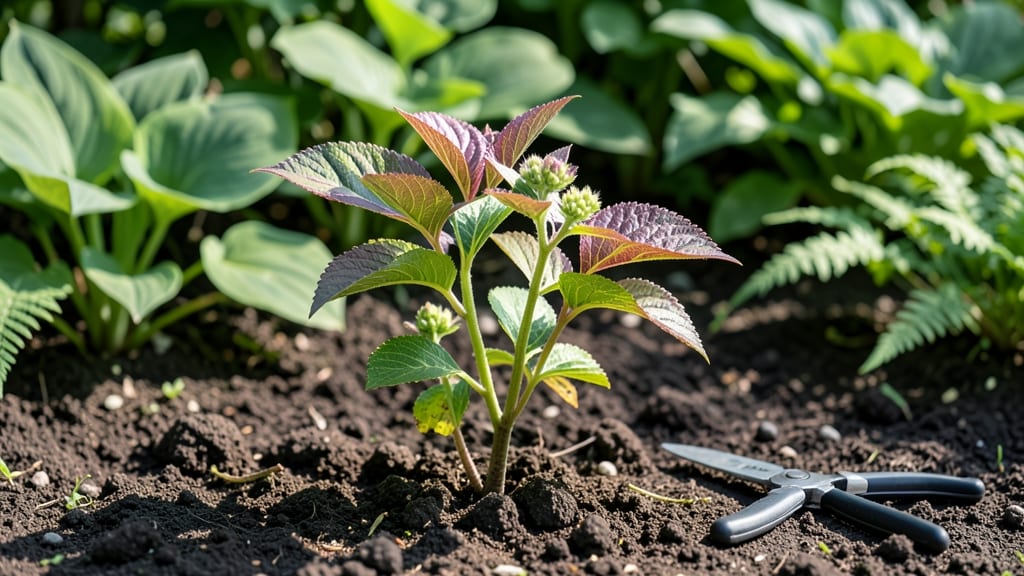
Hydrangea sprouts look like tiny, pale green or reddish-purple buds with smooth, pointed tips that cluster near mature plant bases. These delicate shoots grow 1-3 inches tall in early spring before transforming into broad, serrated-edged leaves.
These early shoots are one of nature's most fascinating transformations—starting as compact buds that slowly unfurl into the recognizable hydrangea foliage we know. 🌱 The reddish-purple hues in young sprouts often fade as they mature, but this initial color helps distinguish them from similar-looking plants like ivy or mint.
What's interesting is how their growth pattern differs from other perennials—they emerge from the base rather than along stems, creating that classic bushy appearance.
Timing matters too; you'll typically spot these sprouts between late winter and early spring when soil temperatures reach 50°F or higher. This is when gardeners should be on the lookout, as these early signs indicate whether your hydrangeas survived winter dormancy.
I always recommend checking the base of plants in February—this gives you time to address any issues before full growth begins.
💡 In This Article
- Identifying Hydrangea Sprouts by Leaf and Stem Characteristics
- When and Where to Spot Hydrangea Sprouts in Your Garden
Identifying hydrangea sprouts by leaf and stem characteristics
Hydrangea sprouts begin as compact, 1/8-inch-wide buds that resemble tiny, tightly coiled springs. Their stems are slender and slightly woody at the base, with a reddish-purple tint that fades to green as they mature.
The key identifier is their opposite branching pattern—leaves grow directly across from each other on the stem, unlike ivy (which has alternating leaves) or mint (which grows in square-stemmed clusters). 🌿
The leaves themselves are what truly set hydrangea sprouts apart. When they first unfurl, they're deep green, oval-shaped, and about 2-4 inches long, with prominent veins that create a network resembling a spiderweb.
The edges have fine, serrated teeth (like tiny saw blades), while similar plants like hosta have smoother edges. Another telltale sign is the hairy texture on the underside of young leaves—this fuzziness disappears as they age but is a great early identifier.
Color variations are another clue. While most hydrangea sprouts start pale green, some varieties like 'Endless Summer' hydrangeas may show bronze or reddish hues in early growth due to anthocyanin pigments (the same compounds that color red cabbage).
These pigments protect young leaves from excessive sunlight, which is why you'll often see them in cooler spring mornings. 🌞 This reddish tint can help distinguish them from other green shoots in your garden.
One common point of confusion is mistaking hydrangea sprouts for weeds or volunteer plants. Unlike dandelion sprouts (which have deeply lobed leaves) or creeping Charlie (which spreads via runners), hydrangea shoots grow vertically from the base and have that distinctive opposite leaf arrangement.
The stems also have a slightly glossy sheen when young, which differentiates them from duller-looking weed stems.
For gardeners, understanding these characteristics is crucial because it helps distinguish healthy regrowth from potential disease. For example, powdery mildew can cause distorted, yellowed leaves in early stages, while aphid damage would show as curled, sticky leaves.
Healthy hydrangea sprouts should feel firm to the touch with no signs of wilting or discoloration beyond the normal reddish-purple phase.
Here's a quick comparison to help with identification:
- Hydrangea sprouts: Opposite leaves, serrated edges, reddish-purple stems, hairy undersides
- Ivy: Alternate leaves, lobed shapes, smooth stems
- Mint: Square stems, toothed leaves, spreads via runners
- Hostas: Smooth edges, broad leaves, no reddish stems
The most reliable way to confirm is to wait until the leaves fully unfurl—hydrangea leaves will develop that classic 5-7 inch width with those distinctive veins, while imposters will reveal their true identity through different growth patterns. 🌱