
Pruning
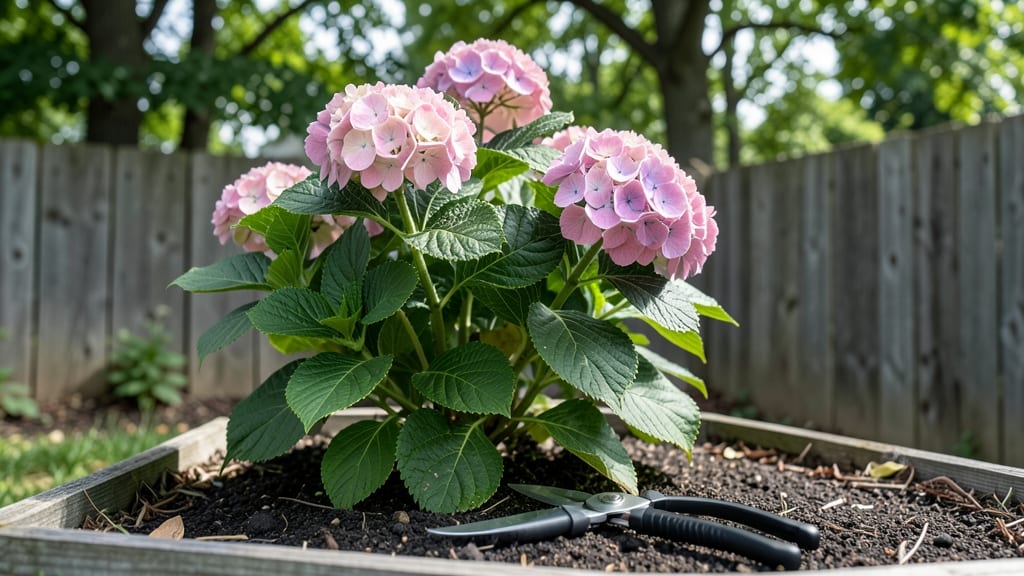
Late winter is the secret window for trimming Endless Summer hydrangeas—cut now, and you’ll unlock bigger, fuller blooms next season. ✂️ I used to trim after flowering, but that meant sacrificing next year’s flowers.
This variety blooms on new wood, so late winter pruning (just before buds swell) keeps the plant focused on vibrant, repeat blooms all summer.
You’ll need sharp pruners, gloves, and a clear day to see the plant’s structure. Look for dead or crossing branches—these are your first targets. Aim to shape the plant into an open vase shape, which lets air circulate and prevents disease.
Most gardeners trim back 1/3 of the oldest stems, but don’t overdo it—too much pruning delays flowering.
After trimming, your hydrangeas will reward you with double the blooms by midsummer, in shades of pink, purple, or blue depending on soil pH. The key is patience: new growth takes 6-8 weeks to mature, so resist the urge to prune again until next winter.
The result? A bush that looks like it’s from a nursery, not your backyard.
Works for zones 3-9, but adjust timing slightly: in warmer climates, wait until early spring when frost risk is gone. Avoid trimming in fall—you’ll cut off next year’s flower buds before they form. Pro tip: Snap a photo of your plant before pruning to guide your cuts!
📚 In This Guide
- What you need
- Instructions
- Tips and common mistakes
- Wrapping up and next steps
What you need
- ● Pruning shears or secateurs – Sharp, clean, and bypass-style (avoid dull blades to prevent crushing stems).
- ● Gloves – Heavy-duty garden gloves (protects from thorns and rough stems).
- ● Disinfectant (70% isopropyl alcohol or bleach solution) – 1 part bleach to 9 parts water (sterilizes tools to prevent disease).
- ○ Pruning saw (optional but helpful) – For thicker stems over ½ inch in diameter.
- ● Garden twine or plant ties – To secure branches if needed.
- ● Trash bag or bucket – For removing dead or trimmed foliage.
- ● Hand pruners with a long handle – For hard-to-reach branches.
- ● Loppers (for larger stems) – If your hydrangea has thick, woody growth.
- ● Garden kneeler or stool – For comfort during trimming.
- ● Spray bottle with water – Keeps tools clean between cuts.
- ● Notebook & pen – To jot down notes on pruning patterns.
Step-by-step guide to pruning Endless Summer hydrangeas
Timing and technique make all the difference—here’s how to trim for maximum blooms next season.
⏰ Step 1: Identify the Right Time to Prune
Wait until late winter, after the last hard frost but before new growth appears. In most climates, this means February through early March. You’ll know it’s time when the plant looks dormant and the ground stays consistently above 32°F at night. Pruning too early risks exposing tender buds to cold snaps, while waiting too long encourages unwanted growth.
Check your local frost dates—if you’re in Zone 5 or colder, aim for mid-March. In warmer Zones 7-9, late February works perfectly. The key is to prune just before buds begin swelling, which signals the plant’s awakening. If you see green tips or new leaves, you’ve missed the window.
✂️ Step 2: Gather the Right Tools and Prepare
Use clean, sharp pruning shears—dull blades crush stems and invite disease. Disinfect them with rubbing alcohol before and after use to prevent spreading bacteria. Wear gloves; hydrangea sap can irritate skin. You’ll also need a small bucket for clippings and a marker to label any cut stems you plan to propagate.
Lay out a tarp beneath the plant to catch debris. This keeps your workspace tidy and makes cleanup easier. If your hydrangeas are large, consider wearing long sleeves to protect against thorns. The goal is to work efficiently while minimizing stress on the plant—rushed pruning leads to uneven regrowth.
🌿 Step 3: Examine the Plant Structure
Look for dead, diseased, or crossing branches—these take priority. Dead wood is easy to spot: it’s brown, brittle, and doesn’t bend when touched. Diseased branches may have black spots or oozing sap. Remove these first, cutting back to healthy growth or the main stem. This opens the plant’s center to better airflow and sunlight.
Next, identify last year’s blooms—Endless Summer hydrangeas produce flowers on new wood, so you won’t be pruning to encourage old wood blooms. Focus instead on shaping the plant by cutting back 1/3 of the oldest stems to just above a set of strong buds. This rejuvenates the plant and promotes lush, fuller growth next season.
✂️ Step 4: Make the Cuts for Optimal Growth
Cut each stem at a 45-degree angle, about 1/4 inch above a outward-facing bud. This angle helps water run off the cut and reduces rot risk. Avoid leaving stubs—always cut just above the bud to encourage clean, strong regrowth. If you’re unsure which way the bud faces, look for a slight bump or the tiny leaf scar where last year’s growth ended.
Step back frequently to assess balance. Endless Summer hydrangeas respond well to a slightly rounded shape, which distributes weight and encourages even blooming. Avoid cutting into the center too aggressively—this can create a "hole" where light and air struggle to reach inner stems. Aim for an open, vase-like structure that lets sunlight penetrate to the core.
💧 Step 5: Post-Pruning Care for Strong Recovery
Water deeply right after pruning to help the plant recover. The roots will need moisture to support new growth, especially if winter left the soil dry. Apply a 2-3 inch layer of mulch around the base (but not touching the stem) to retain moisture and regulate soil temperature. This is also a great time to add a slow-release fertilizer to give the plant a nutrient boost for spring.
Monitor the plant closely for the next 2-3 weeks. New growth should appear within 4-6 weeks if conditions are right. If you notice yellowing leaves or wilting, check for overwatering or fungal issues. Pruning wounds are vulnerable until fully healed, so avoid heavy watering from above—use a soaker hose instead to keep foliage dry.
Tips & tricks for perfect late winter hydrangea pruning
Late winter pruning is your secret weapon for next season's showstopping blooms—here's how to avoid common pitfalls and get it right the first time.
Timing is Everything: The 32°F nighttime temperature threshold is your golden rule—prune only when nights stay consistently above this mark. I learned this the hard way after seeing buds freeze in Zone 6 one March. Check your local frost dates and aim for mid-March in colder zones or late February in warmer climates. The key visual cue? Buds should be swollen but not yet green—if you see new growth, you've waited too long.
Tool Prep Prevents Problems: Sharp pruning shears aren't just about clean cuts—they're about plant health. I always disinfect my tools with rubbing alcohol before and after use, especially when moving between plants. Dull blades crush stems, creating entry points for disease. For large hydrangeas, consider using bypass pruners for thicker stems, then switch to smaller shears for detailed work. And here's a pro move: wrap the handles with tape for better grip when working with wet wood.
Visual Cues for Perfect Cuts: That 45-degree angle above the outward-facing bud isn't just tradition—it's science. The angle prevents water from pooling on the cut, reducing rot risk. For the bud direction, look for the tiny leaf scar where last year's growth ended. If you're unsure, make a small test cut first. And remember: when you step back to assess balance, you should see an open, vase-like shape that lets sunlight reach all stems equally. This prevents that dreaded "hole" in the center that blocks airflow.
Post-Pruning Recovery Strategy: The 2-3 inch mulch layer isn't just for looks—it's a moisture and temperature regulator. I always add compost to mine for extra nutrients. For the first 2-3 weeks after pruning, monitor for yellowing leaves, which often signals overwatering. Use a soaker hose to water at the base—this keeps foliage dry and prevents fungal issues that can set in through fresh pruning wounds. And if you're in a dry climate, consider adding a 1-inch layer of wood chips over the mulch to lock in moisture.
Pro Tips for When To Trim Hydrangeas Endless Summer
- Late winter pruning is your secret weapon for next season's showstopping blooms—here's how to avoid common pitfalls and get it right the first time.
- Timing is Everything: The 32°F nighttime temperature threshold is your golden rule—prune only when nights stay consistently above this mark.
- Tool Prep Prevents Problems: Sharp pruning shears aren't just about clean cuts—they're about plant health.
Frequently asked questions
Got questions about trimming your Hydrangea macrophylla ‘Endless Summer’? You’re not alone!
Here are the most common concerns—and expert answers—to keep your blooms thriving year after year.
What’s the best time of year to trim Endless Summer hydrangeas?
Late winter (just after the last frost but before new growth starts) is ideal! This timing ensures you remove dead wood while leaving next year’s flower buds intact. Never trim in fall or after blooms appear—you’ll risk cutting off next season’s flowers.
Can I trim Endless Summer hydrangeas in early spring?
Yes, but with caution! If you miss late winter, wait until after the first flush of new leaves appears in early spring. Avoid trimming after May—this cuts off current blooms and next year’s buds. Think of it as a “last chance” window!
What if I trimmed too late last year? Will my hydrangea still bloom?
Don’t panic! Endless Summer hydrangeas are forgiving. If you trimmed after May, you may lose some blooms this year, but the plant will still produce new buds on current growth. Just adjust your timing next year—late winter is your best bet!
Do I need to trim Endless Summer hydrangeas every year?
Yes! Annual trimming keeps them compact, healthy, and flowering prolifically. Skip a year, and you risk overcrowded centers, fewer blooms, and weaker growth. Think of it like a haircut—regular maintenance = happier plants!
What if my hydrangeas aren’t blooming after trimming?
Check these fixes:
- Light: Ensure they get partial shade (6+ hours of sun can scorch buds).
- Water: Keep soil consistently moist (drought stress = fewer blooms).
- Fertilizer: Use acid-loving plant food in early spring.
- Pruning: Double-check you didn’t cut all the stems back (leave 2–3 buds per stem).
Wrapping up and next steps
Trimming your Endless Summer hydrangeas in late winter is your secret weapon for stunning, repeat-blooming beauty all season long! 🌸 By following the right steps—like cutting back old wood to the first set of buds and shaping for airflow—you’ll encourage lush, vibrant blooms and a healthier plant.
Don’t wait until spring; act now while the plant is dormant for the best results.
Ready to transform your garden? Grab your pruners, mark your calendar for February or early March, and give your hydrangeas the care they deserve. Your future blooms will thank you! 🌿✨