
Advice
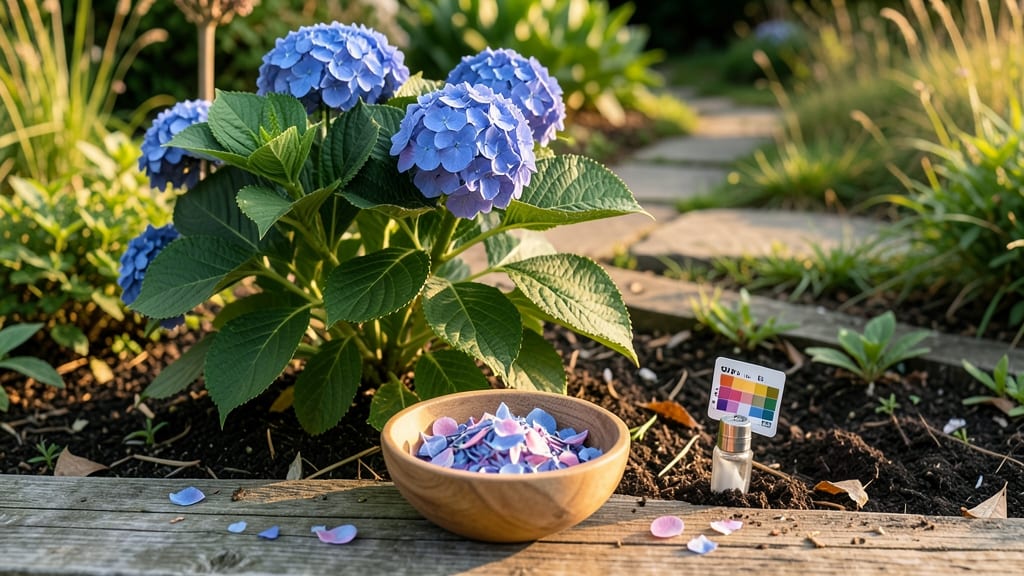
Hydrangeas have been cherished for centuries as nature's emotional language, with their vibrant hues carrying specific messages. 🌸 The color variations aren't just natural—they're influenced by soil pH levels, creating a fascinating scientific twist to their symbolism.
In Victorian times, blue hydrangeas were often used to convey heartfelt thanks, while pink varieties became popular in romantic gestures during Japan's Edo period. White hydrangeas, with their pristine appearance, remain a staple in weddings worldwide, symbolizing both purity and new beginnings.
What's particularly interesting is how these meanings adapt across cultures. In some European traditions, purple hydrangeas represent enchantment, while in Chinese culture, they're associated with nobility. This floral flexibility makes hydrangeas perfect for expressing nuanced emotions—whether you're crafting an apology bouquet or celebrating a milestone.
The key is understanding that each shade carries its own emotional weight, allowing you to communicate without words.
💡 In This Article
- Hydrangea Color Symbolism: Decoding Their Hidden Meanings
- How to Use Hydrangeas in Floral Arrangements for Intentional Messaging
Hydrangea color symbolism: decoding their hidden meanings
The vibrant palette of hydrangeas isn't just visually stunning—it's a carefully coded language of emotions. Each hue carries centuries of cultural weight, shaped by historical traditions and botanical science.
For instance, the iconic blue hydrangea became synonymous with gratitude during the Victorian era, when floral arrangements served as secret communication tools. 🌸 Queen Victoria's influence popularized blue as a symbol of sincerity, while in Japan, pink hydrangeas (known as ajisai) were traditionally gifted to express deep admiration or even romantic devotion during the Edo period.
What makes this symbolism even more fascinating is the science behind their color-changing abilities. Hydrangeas owe their hue variations to soil pH levels—acidic soil (pH below 6.0) produces blue blooms, while alkaline soil (pH above 7.0) yields pink flowers.
This natural pH indicator creates a spectrum where white hydrangeas represent purity (common in Western weddings) and purple varieties symbolize enchantment in European folklore. The color shifts aren't just decorative; they reflect the plant's adaptive biology to attract pollinators through visual signals.
Cultural interpretations vary dramatically by region. In Chinese tradition, hydrangeas represent nobility and prosperity, often used in imperial gardens.
Meanwhile, in Korean culture, they symbolize modesty and humility—perfect for expressing gratitude without words. 🌿 These regional differences show how hydrangeas transcend simple color meanings, becoming cultural artifacts that adapt to local values.
The flower's ability to change color based on environment adds another layer of meaning, making each bloom a living message board.
Understanding these nuances helps explain why hydrangeas appear in so many meaningful contexts. A bouquet of blue hydrangeas might convey thanks in a Western setting, while the same flowers could represent something entirely different in an Asian ceremony.
The key is recognizing that each color carries its own emotional weight, influenced by both science and cultural storytelling. This dual nature makes hydrangeas one of nature's most versatile communicators.
For gardeners, this means your soil choices aren't just about aesthetics—they're about the messages your flowers will carry. Planting hydrangeas in slightly acidic soil (pH 5.5-6.0) will produce those coveted blue blooms associated with gratitude, while alkaline conditions (pH 6.0-7.0) will yield pink flowers perfect for expressions of admiration.
The same plant can literally change its message based on where you grow it! This botanical flexibility is what makes hydrangeas so powerful in both gardens and gift-giving traditions.
What's particularly interesting is how modern florists leverage these historical meanings. A wedding bouquet of white hydrangeas might represent purity, while adding blue blooms could subtly convey gratitude to the bride's family.
The same principles apply to apologies—pink hydrangeas often appear in "I'm sorry" arrangements because their color symbolizes remorse and sincerity. This intentional color-coding transforms simple flowers into emotional storytellers, capable of conveying complex feelings without a single word.