
Pruning
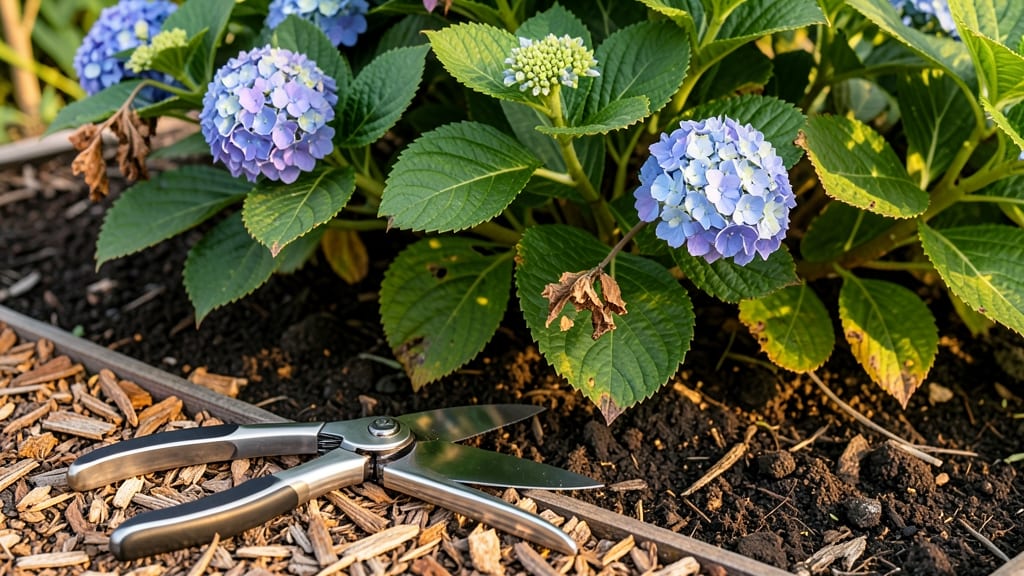
What month do you deadhead hydrangeas—typically late summer, around August or early September—to keep your blooms vibrant all season and ensure next year’s flowers thrive.
Struggling to keep your hydrangeas blooming all season? The secret isn’t just when you prune—it’s when you deadhead them. Get this timing wrong, and you could sacrifice next year’s flowers entirely.
Most gardeners wait until after the first frost, but that’s too late for reblooming varieties like ‘Endless Summer.’ Instead, snip spent blooms when they turn brown or wilt, usually 4-6 weeks before your first frost.
In this guide, I’ll break down the best months by hydrangea type, regional variations, and how to tell when blooms are truly done for the year—so you can enjoy longer, fuller blooms every season.
Best months to deadhead hydrangeas by type (old vs new wood)
Deadheading hydrangeas at the right time ensures longer blooming seasons and healthier plants. But here’s the catch: old-wood varieties (like mophead and lacecap) and new-wood types (like panicle) have completely different deadheading windows.
Get this wrong, and you might end up with no flowers next year. Let’s break it down by type so you never miss the perfect moment.
Timing matters because hydrangeas form flower buds differently. Old-wood varieties set buds on last year’s growth, while new-wood types produce buds on current season’s stems. Deadheading at the wrong time can kill next year’s blooms or reduce this year’s display.
For example, cutting back old-wood hydrangeas in late summer removes next year’s flower buds—oops!
Most gardeners deadhead in late summer to early fall, but the exact month depends on your hydrangea type. Mophead and lacecap (old-wood) should never be deadheaded—instead, you wait until after they bloom to remove spent flowers. Panicle hydrangeas (new-wood) can be deadheaded throughout the season, but timing still matters for reblooming.
Here’s the critical comparison of deadheading months by type, including regional adjustments for northern vs. southern climates:
For old-wood hydrangeas, the key is patience. Never cut back stems—just snip off faded flower heads after they’ve finished blooming.
This ensures next year’s buds (which form on last year’s growth) stay intact. Panicle hydrangeas, on the other hand, are more forgiving—you can deadhead them throughout the summer to trigger new flower production.
If you live in a warmer climate, you can push deadheading later into fall (even October for panicles). But in colder regions, stop by mid-September to avoid encouraging tender new growth that won’t survive frost.
Pro tip: Wear gloves—hydrangea leaves can be prickly, and some varieties (like oakleaf) have sharp edges.
Deadheading isn’t just about neatness—it’s about encouraging more blooms. For old-wood types, you’re preserving next year’s flowers; for new-wood types, you’re stimulating reblooming. After deadheading, give your hydrangeas a light fertilizer and deep watering to help them recover and set new buds for the following season.
One common mistake? Deadheading in spring. This removes next year’s flower buds before they’ve even formed. Always wait until after the plant has finished blooming for old-wood types.
For new-wood varieties, you can deadhead as soon as flowers fade, but avoid cutting into old wood—that’s where next year’s buds hide for old-wood types.
Regional differences matter too. In Zone 5 or colder, aim to finish deadheading by mid-September to avoid late-season regrowth that could get frost-damaged. In Zone 8 and warmer, you can deadhead into October for extended blooming. Always check your local frost dates as a guideline.
Remember: Less is more with hydrangeas. A little deadheading goes a long way in keeping your plants
Signs you’re deadheading too early (or too late) and how to fix it
Deadheading hydrangeas at the wrong time can turn your summer blooms into a winter disappointment. Many gardeners accidentally remove next year’s buds by deadheading too early, while others miss the optimal window and reduce flower production. Let’s fix these common mistakes with clear visual cues.
For old-wood hydrangeas (like mophead and lacecap), spring deadheading is a fatal mistake. These varieties bloom on previous year’s wood, so removing spent flowers in spring means no blooms for the entire season. Even a single cut can delay or eliminate flowering.
For new-wood hydrangeas (like panicle types), timing matters too. Deadheading too late—after late summer buds formfall reblooming. The key is to act when blooms fade but before new buds appear.
- Spring deadheading = No blooms next year (old-wood types).
- Winter deadheading = Missed reblooming potential (new-wood types).
- Over-pruning = Stressing the plant before dormancy.
🌿 Fix: Wait until late summer (August-September) for most hydrangeas.
Look for leaf color changes as your first clue. When leaves turn yellow or brown at the edges, it’s time to check for spent blooms. For mophead hydrangeas, pinch off faded flowers just above the first set of leaves—never cut into old wood.
If you’ve already deadheaded too early, don’t panic. New-wood types may still rebloom if you fertilize lightly in early summer and water deeply. For old-wood types, wait until next spring to prune, focusing on shaping cuts rather than removing buds.
For panicle hydrangeas, the ideal window is late August to early September. Cut back 1/3 of the plant to encourage fall reblooming, but leave some stems to harvest dried flowers for winter interest. Always use clean, sharp pruners to avoid disease.
Pro tip: Mark your calendar for mid-September—this is the last safe time to deadhead most hydrangeas before bud set. By then, you’ll see tiny green buds forming; these are your next year’s flowers for old-wood types. 🌸