
Blooming
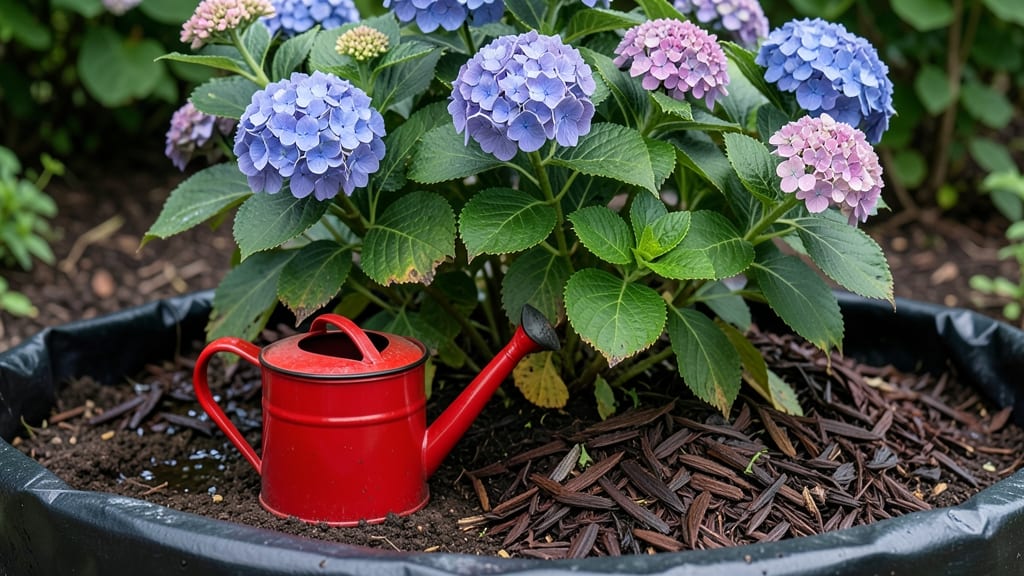
How to keep hydrangeas blooming isn’t just about pruning—it’s timing those cuts to encourage new growth while preserving last year’s flower buds. ✨ The secret is simple: trim at the right moment.
I’ve turned my once-sparse hydrangeas into a lush, year-round showpiece with just a few adjustments to when and how I prune.
Start by understanding your hydrangea type: mopheads and bigleaf varieties bloom on old wood, while panicle and smooth hydrangeas bloom on new growth. That means pruning at the wrong time can mean no flowers—or worse, no blooms at all.
The right soil mix (rich in organic matter) and consistent watering (1-2 inches per week) set the stage, but it’s the pruning schedule that keeps them putting out those dramatic, color-shifting blooms.
What you’ll end up with is a bush that looks like it’s in peak season all summer long—deep blues, vibrant pinks, or even that sought-after ombré effect.
The key is cutting back in late winter for old-wood bloomers or right after flowering for new-wood types, and never removing more than a third of the plant at once. Even my black thumb can’t mess this up once I got the timing right.
For gardeners in zones 5-9, this method works year after year with minimal effort. The payoff? Hydrangeas that steal the show from spring through fall, with fewer brown buds and more vibrant blooms than you thought possible. Let’s get those shears ready!
📚 In This Guide
- What you need
- Instructions
- Tips and common mistakes
- Wrapping up and next steps
What you need
- ● Pruning shears: Sharp, bypass-style shears (avoid anvil shears—they crush stems). Example: Felco F-2 or Corona Premium.
- ○ Gloves: Heavy-duty gardening gloves (hydrangeas have thorns!). Optional: Nitrile-coated for extra grip.
- ● Disinfectant: 70% isopropyl alcohol or bleach solution (1 part bleach to 9 parts water) to clean tools between cuts.
- ● Mulch: Organic mulch like shredded bark or pine needles (2–4 inches thick). Avoid: Fresh wood chips (they can deplete nitrogen).
- ● Watering can or hose: With a gentle spray nozzle (hydrangeas hate soggy roots!).
- ● pH test kit: For soil (e.g., Luster Leaf Rapitest) to monitor acidity (ideal: 5.0–6.0 for blue/purple blooms; 6.0–7.0 for pink).
- ● Fertilizer: Balanced granular: 10-10-10 or 20-20-20 (apply early spring and mid-summer).
- ○ Acid-loving plant food: Optional but helpful: Aluminum sulfate (for blue blooms) or hydrangea-specific fertilizer (e.g., Miracle-Gro Azalea, Rhododendron & Holly Food).
- ● Pruning paint: Sealant (like Tree Seal Tape) to coat large cuts and prevent disease.
- ● Soil amendments: Peat moss or compost (to improve drainage and acidity).
- ● Sulfur (for blue blooms—sprinkle lightly and water in).
- ● Drip irrigation system: For consistent moisture (hydrangeas love 1–1.5 inches of water weekly).
- ● Plant support: Stakes or cages if your hydrangeas grow tall (e.g., Panicle types).
- ● Garden journal: To track pruning dates, fertilizer types, and bloom colors! 📖✨
Step-by-step pruning secrets for year-round hydrangea blooms
Here's how I keep my hydrangeas flowering like clockwork—no guesswork, just proven timing and technique.
✂️ Step 1: Identify Your Hydrangea Type First
Hydrangeas bloom on either old wood (last year's growth) or new wood (current season's stems), and pruning wrong can mean no flowers. Bigleaf and oakleaf hydrangeas bloom on old wood, so I wait until right after flowering—usually late June—to prune. For panicle and smooth hydrangeas (new wood bloomers), I prune in late winter or early spring before buds swell.
Here's the thing—if your hydrangea isn't blooming, check the stems. Old wood bloomers have flower buds forming on last year's branches, while new wood types have buds at the tips of current season's growth. I always snap off a few stems to examine the buds before pruning.
✂️ Step 2: Prune at the Right Time for Your Variety
For old wood bloomers, I prune immediately after flowers fade. Use clean, sharp pruners to remove 1/3 of the oldest stems at the base, cutting just above a set of leaves or a bud. This encourages fresh growth while preserving next year's blooms. You'll see new shoots emerging within 2-3 weeks—that's your signal it's working.
New wood bloomers get a harder cut in late winter. I remove 1/3 to 1/2 of the plant's height, cutting just above a bud that faces outward. This prevents a dense center and encourages an airy, flowering shape. I never prune in fall—waiting until dormancy gives the plant time to heal before spring growth.
🌿 Step 3: Maintain Year-Round with Light Trimming
After the initial prune, I do light maintenance cuts twice a year: once in early summer to shape the plant and remove any dead or crossing branches, and again in late summer to encourage one last flush of growth before winter. Always cut just above a leaf node or bud—never leave stubs, or they'll rot and invite disease.
I also deadhead spent blooms on new wood types throughout the season. Snip off the flower heads as soon as they fade, cutting back to the first set of leaves below. This redirects the plant's energy into new growth instead of seed production. You'll notice fresh buds forming within 4-6 weeks.
💧 Step 4: Feed and Water for Continuous Blooms
Hydrangeas are heavy feeders, and I swear by a balanced 10-10-10 fertilizer applied in early spring and again after the first flush of blooms. Water deeply once a week, aiming for 1-1.5 inches of water per week—more in hot, dry weather. Mulch with 2-3 inches of organic mulch to retain moisture and regulate soil temperature.
Here's the secret most people miss: hydrangeas need consistent moisture for big blooms. If the soil dries out completely, buds will drop. I check soil moisture by sticking my finger 2 inches deep—if it's dry, it's time to water. For container hydrangeas, I water every 2-3 days in summer, letting excess drain completely to prevent root rot.
☀️ Step 5: Adjust Light and Soil for Peak Performance
Most hydrangeas thrive in partial shade (4-6 hours of sun daily), especially in hot climates. Too much sun scorches leaves and can cause buds to drop. I watch for leaves turning yellow or crispy edges—that's your cue to move the plant to a shadier spot. Morning sun with afternoon shade is ideal.
Soil pH affects bloom color dramatically. For blue blooms, I aim for pH 5.2-5.5 (test with a soil kit). For pink, I keep it neutral to slightly alkaline (pH 6.0-7.0). I add aluminum sulfate to lower pH or lime to raise it, following package instructions. You'll see color changes within 4-6 weeks of adjusting pH.
Tips & tricks for perfect year-round hydrangea blooms
Real talk: Pruning hydrangeas is where most gardeners stumble. Here's what nobody tells you about keeping them flowering beautifully.
Bud Identification: Before you touch your pruners, snap off 3-4 stems and examine the buds. Old wood bloomers (like bigleaf) have flower buds forming along last year's branches, while new wood types (like panicle) have buds at the tips of current season's growth. I've ruined blooms by pruning at the wrong time because I skipped this step—don't make my mistake! The buds on old wood look like tiny green knobs along the stems, while new wood buds form at the very tips.
Timing Secret: The 2-3 week window after pruning old wood bloomers is critical. That's when you'll see new shoots emerging—this is your confirmation that the plant is responding. For new wood types, prune in late winter when buds are still dormant but visible. I always mark my calendar for these dates to avoid missing the perfect window. If you prune too early, you risk cutting off next year's flowers.
Tool Tip: Sharp pruners make all the difference. Dull blades crush stems and create jagged cuts that invite disease. I clean my pruners with rubbing alcohol between cuts and never use the same tool for both pruning and harvesting. For thick stems, I use loppers with bypass blades—they cut cleanly without tearing the wood. Always cut at a 45-degree angle just above a leaf node or bud to encourage healthy regrowth.
Seasonal Maintenance: Those twice-yearly light trims in early and late summer aren't optional—they're what keep hydrangeas looking their best all season. The early summer trim removes dead branches and shapes the plant, while the late summer trim encourages that final growth flush before winter. I schedule these like appointments because consistency is key. For container hydrangeas, I do this maintenance every 6-8 weeks during growing season to prevent overcrowding.
Pro Tips for Keep Hydrangeas Blooming
- Real talk: Pruning hydrangeas is where most gardeners stumble.
- Bud Identification: Before you touch your pruners, snap off 3-4 stems and examine the buds.
- Timing Secret: The 2-3 week window after pruning old wood bloomers is critical.
Frequently asked questions
Got questions about keeping your hydrangeas in full bloom? You’re not alone! Here are answers to the most common concerns—so you can enjoy lush, vibrant flowers all season long.
How often should I water hydrangeas to keep them blooming?
Water hydrangeas deeply 2–3 times per week during dry spells (or daily in extreme heat). Aim for 1–1.5 inches of water per week, including rainfall. Mulch around the base to retain moisture and prevent stress. Overwatering can cause root rot, so ensure soil drains well—hydrangeas hate soggy feet!
Why aren’t my hydrangeas blooming this year?
Blooming issues often stem from pruning at the wrong time (cutting back after mid-summer) or nutrient deficiencies. Check your hydrangea type:
- Mophead/Bigleaf: Needs high acidity (pH 5.5–6.0) for blue blooms (add aluminum sulfate) or low acidity (pH 6.0+) for pink (lime can help).
- Panicle/Annabelle: Blooms on new wood—prune in late winter/early spring.
Can I prune hydrangeas in summer without killing them?
Yes, but timing matters! For reblooming varieties (like Endless Summer), prune right after flowering to shape plants and remove dead stems. Avoid heavy cuts in late summer—this removes next year’s buds. For once-blooming types (like Oakleaf), prune in late winter before new growth starts.
What’s the best fertilizer for hydrangeas to keep them blooming?
Use a balanced, slow-release fertilizer (like 10-10-10) in early spring and mid-summer. For acid-loving varieties, opt for a hydrangea-specific fertilizer with aluminum (e.g., Miracle-Gro Hydrangea Food). Avoid high-nitrogen fertilizers—they promote leaves over blooms!
Do hydrangeas need winter protection to bloom next year?
Most hydrangeas are hardy to USDA zones 5–9, but young plants or tender varieties (like some Bigleaf types) benefit from mulch (3–4 inches) around the base. In extreme cold (below 10°F), wrap container hydrangeas in burlap or bubble wrap. Prune after winter dormancy to avoid frost damage.
Wrapping up and next steps
Keeping your hydrangeas blooming year after year is all about timing, technique, and a little TLC—whether it’s pruning at the right season, feeding them the right nutrients, or protecting them from pests.
With these secrets in hand, you’re well on your way to a garden bursting with vibrant, long-lasting color! 🌸
The next step? Grab your pruners and put your newfound knowledge into action. Watch your hydrangeas thrive, and soon, you’ll be the envy of the neighborhood with their stunning, repeat blooms. Happy gardening! 🌿✨