
How To
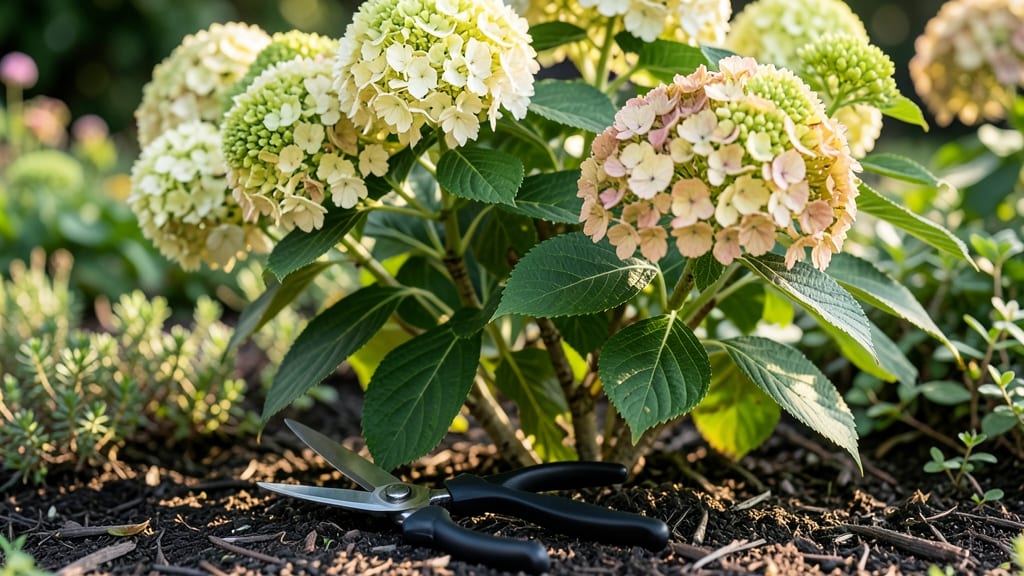
Deadheading Limelight Hydrangea at the right time keeps those stunning blooms coming all season while setting up next year’s growth for success.
Here’s the catch: Timing matters—cut too soon, and you’ll lose flowers; wait too long, and you risk weakening the plant. Most gardeners miss the 2-4 week window after peak bloom, which is when you should act.
In this guide, I’ll walk you through the exact steps to deadhead your 🌸 Limelight Hydrangea, including the best tools, where to cut, and how to spot mistakes before they happen.
You’ll also learn why late-summer deadheading is your best bet, how to encourage longer blooms, and the one pruning myth that could harm your plant’s health.
Best time to deadhead Limelight Hydrangea for extended blooms
If you’ve ever watched your Limelight Hydrangea (Hydrangea paniculata) fade from vibrant blooms to brown, woody stems, you’ve missed the perfect deadheading window. This shrub thrives on timing—prune too soon, and you sacrifice flowers; too late, and you risk weakening next year’s buds.
The key lies in understanding your plant’s natural cycle and acting within a 2-4 week window after peak bloom, typically in late summer.
Limelight Hydrangeas produce their flowers on new wood, meaning this year’s growth will bloom next season. Deadheading at the right time encourages your plant to redirect energy toward new flower buds rather than seed production.
But here’s the catch: waiting too long—past late August or early September—can stunt next year’s growth because the plant prepares for dormancy. Let’s break down the science-backed timing and seasonal cues to maximize your blooms.
🌿 Critical Deadheading Timeline for Limelight Hydrangeas
- 📅 Peak Bloom (July-August): Observe when your Limelight’s flowers reach their full color and size. This is your starting point.
- ⏳ 2-4 Week Window (Late July-Early September): Deadhead within this period to encourage new flower buds for next season.
- ❄️ Avoid Late September+: Pruning after early fall risks removing next year’s buds, which form after deadheading.
- 🌡️ Temperature Check: Ideal temps for deadheading are 60-75°F—avoid pruning in extreme heat or cold.
- 🌱 Post-Deadheading Care: Water deeply and fertilize lightly with a balanced 10-10-10 mix to support regrowth.
Your Limelight Hydrangea’s blooms typically peak in July or August, depending on your climate. This is your cue to start monitoring the flowers. Look for the first signs of browning or wilting on the edges of blooms—this signals it’s time to act.
The 2-4 week window after peak bloom is your golden opportunity to deadhead. For example, if your hydrangea peaks in mid-August, aim to deadhead by late August to early September.
Why this timing? Limelight Hydrangeas set their next year’s flower buds after deadheading. If you prune too early (e.g., June), you remove potential blooms before they’ve fully developed. Conversely, pruning too late (e.g., October) can shock the plant as it enters dormancy.
The late summer window balances encouraging new growth while allowing the plant to prepare for winter.
Seasonal cues are your best friend. In cooler climates (USDA Zones 5-6), aim for late August deadheading. In warmer zones (7-9), extend the window to early September since the growing season lasts longer.
Always check your local frost dates—deadheading should finish at least 4-6 weeks before the first frost to avoid stressing the plant.
Here’s a pro tip: Don’t remove the entire flower head—cut back to the first set of healthy leaves or buds below the bloom. This ensures you’re not pruning off next year’s growth by mistake.
Use clean, sharp pruning shears to make clean cuts at a 45-degree angle. This simple technique reduces the risk of disease and promotes faster healing.
What happens if you miss the window? If you wait until fall or winter, you risk pruning off the dormant buds that form after deadheading. These buds are critical for next year’s blooms.
Instead, leave the brown, spent blooms on the plant through winter—they add winter interest and protect the buds. You can remove them in early spring during your regular pruning routine.
For gardeners in container-grown Limelight Hydrangeas, the timing is slightly more flexible. Potted plants often bloom a bit later due to temperature fluctuations. Monitor your plant closely and deadhead when 50% of blooms show signs of fading.
Containers also dry out faster, so ensure your plant is well-watered before and after deadheading to support recovery.
Finally, remember that consistency is key. Deadhead every year at the same time to train your Limelight Hydrangea to produce abundant blooms season after season.
Over time, you’ll develop an instinct for the perfect moment—when the flowers are past their prime but the plant is still active enough to respond to pruning. With practice, your hydrangea will reward you with longer, more vibrant blooms year after year.
Step-by-step deadheading guide: how to prune without damaging your plant
Deadheading your Limelight Hydrangea isn’t just about tidying up—it’s the key to encouraging bold, repeat blooms and keeping your shrub healthy. The right technique prevents over-pruning mistakes that can stunt growth or even kill next year’s buds.
Let’s break it down into simple, foolproof steps so you can prune with confidence.
First, gather your pruning essentials: sharp bypass pruners (for clean cuts), sterilized hand pruners (for smaller stems), and a glove to protect your hands. Avoid dull tools—they crush stems and invite disease.
Work on a dry, sunny morning when the plant is actively growing, and you’ll see the best results.
⚠️ callout warning
Timing is everything! Deadhead Limelight Hydrangeas 2-4 weeks after peak bloom (typically late summer to early fall, around August-September). Pruning too early removes potential next year’s buds, while waiting too long lets the plant waste energy on seed production instead of new growth.
🌱 Pro Tip: Look for brown, papery petals—this signals it’s time to act!
Start by locating the spent flower head and trace it down to the stem’s base. Your goal is to cut just above the 5th leaf or bud from the bottom of the bloom stalk.
This ensures you’re not removing next year’s growth while still encouraging new lateral shoots to form. Use a 45-degree angle to create a water-shedding cut that heals faster.
If you’re unsure where to cut, count 5 leaves or buds upward from the base of the stem. This is your safe pruning zone. Avoid cutting into woody stems—these won’t regrow.
For larger stems, make your cut 1/4 inch above a bud facing outward to promote an open, bushy shape. Think of it like sculpting: you’re shaping the plant’s future growth.
Watch for over-pruning signs like stunted growth, fewer blooms, or bare stems. These mean you cut too aggressively. Limelight Hydrangeas are forgiving, but never remove more than 1/3 of the plant’s foliage in one session.
For a checklist, mark these steps: sterilize tools, identify spent blooms, count 5 leaves/buds, make angled cuts, and step back to check balance.
After pruning, give your Limelight Hydrangea a light fertilizer (like 10-10-10) to support new growth. Water deeply at the base to reduce stress, and mulch around the plant to retain moisture. With the right technique, you’ll enjoy longer blooms and a healthier shrub for years to come!