
Pruning
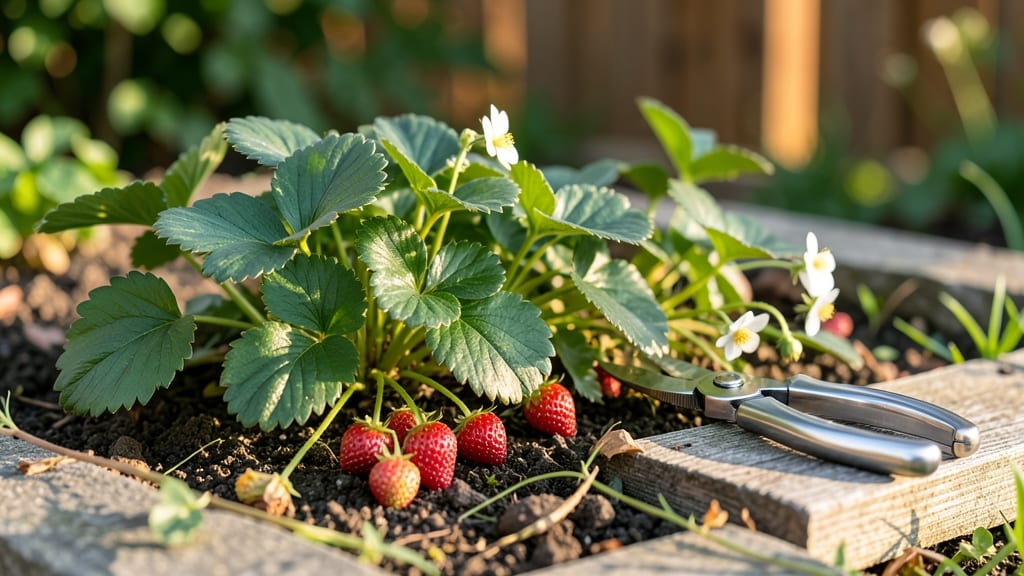
To prune vanilla strawberry hydrangeas at the right time means the difference between next year’s lush blooms and a sparse, leggy plant.
If your vanilla strawberry hydrangeas aren’t blooming as spectacularly as you’d hoped, timing your pruning could be the missing piece of the puzzle—and getting it wrong might mean sacrificing next year’s flowers.
These hydrangeas thrive on precision: prune too early, and you risk cutting off next season’s buds; wait too long, and you’ll miss the best window for shaping. The key lies in understanding your plant’s bloom cycle and your local climate.
In this guide, I’ll walk you through the exact seasonal timing for pruning, how to tell if you’ve pruned correctly, and what to avoid—so you can enjoy those fragrant, strawberry-like blooms year after year.
Optimal pruning seasons for vanilla strawberry hydrangeas (with exact timing)
Timing your vanilla strawberry hydrangea pruning is everything—cut too early or too late, and you might end up with sparse blooms or even no flowers at all. These reblooming hydrangeas (like 'Endless Summer') need precise timing to produce their signature strawberry-shaped blossoms with vanilla fragrance.
The key? Understanding whether your plant blooms on old wood (spring flowers) or new wood (reblooming varieties).
Most vanilla strawberry hydrangeas are rebloomers, meaning they produce flowers on both old wood (last year’s growth) and new wood (current season’s growth). This dual nature makes pruning timing critical—wait too long, and you risk removing next year’s flower buds hidden in the stems.
But act too soon, and you might stunt the plant’s ability to rebloom. Let’s break down the exact timing for each pruning window.
Late winter to early spring (just as new growth begins) is the golden window for reblooming hydrangeas. This is when you should remove dead, diseased, or crossing branches to shape the plant and encourage airflow. For seasonal hydrangeas (like 'Annabelle'), prune right after blooming to avoid cutting off next year’s buds. Regional climate zones also play a role—warmer areas can prune slightly earlier, while colder zones should wait until after the last frost.
Here’s a quick reference for vanilla strawberry hydrangea pruning based on bloom type and climate:
| Pruning Type | Best Time | Climate Adjustments | What to Cut |
|---|---|---|---|
| Late-Winter Deadheading | February-March (after last frost) | Warmer zones (Zone 8+): January Colder zones (Zone 5-7): March-April |
Dead/diseased wood, crossing branches, and overcrowded stems |
| Post-Bloom Pruning (Seasonal) | Late summer (after flowers fade) | Humid regions: Early August Dry regions: September |
Spent blooms and 1/3 of oldest stems (to encourage new growth) |
| Rebloomer Light Pruning | Spring (after buds swell) | Zone 5-6: Wait until May Zone 7+: March-April |
Only dead wood—avoid cutting flower buds on old wood |
| Fall Cleanup (Minimal) | November (before first frost) | All zones: Remove only dead leaves | No pruning—only leaf removal to prevent pests |
For reblooming varieties, the late-winter pruning is non-negotiable. This is when you shape the plant and remove any weak or damaged stems that could hinder growth. Use clean, sharp pruners and make cuts just above a leaf node or outward-facing bud to encourage bushier growth.
Pro tip: If your hydrangea blooms only once per year, it’s likely a seasonal variety (like 'Annabelle'), and you should prune right after flowering to avoid cutting off next year’s buds.
In warmer climates (USDA Zones 8-10), you can prune as early as January because the threat of frost is minimal. But in colder zones (Zone 5 and below), wait until after the last frost date—usually mid-to-late April.
Pruning too early in cold climates can shock the plant and delay blooming. If you’re unsure about your last frost date, check your local USDA Hardiness Zone and add a 2-week buffer after the average date.
One common mistake gardeners make is over-pruning rebloomers. These hydrangeas rely on old wood for their first flush of flowers, so cutting back too aggressively can reduce next year’s blooms. Limit yourself to removing no more than 1/3 of the plant’s oldest stems during late-winter pruning.
For seasonal hydrangeas, you can be more aggressive after they bloom, as they only flower on new wood.
After pruning, water deeply and apply a balanced fertilizer (like 10-10-10) to encourage robust new growth. Mulch around the base to retain moisture and protect roots, especially in hot or dry climates.
With the right timing, your vanilla strawberry hydrangea will reward you with larger, more fragrant blooms next season—and possibly even a second flush of flowers if you’re lucky! 🌷
Remember, patience is key. Hydrangeas can take 1-2 years to fully recover from pruning, so don’t expect instant results. If you prune at the wrong time, you might see fewer blooms, but with the right approach, your plant will thrive for
Step-by-step pruning guide: what to cut and when to avoid mistakes
Pruning your vanilla strawberry hydrangea isn’t just about trimming back overgrown branches—it’s a strategic way to boost next year’s blooms and keep your plant healthy. The key lies in identifying deadwood, shaping for airflow, and making precise cuts that encourage new growth.
But timing and technique matter just as much as the tools you use.
Start by examining your hydrangea for dying or diseased branches. These will be brittle, brown, or hollow when you tap them—they’re the first to go.
Next, look for crossing or rubbing branches that can damage stems and invite pests. Removing these early prevents long-term damage and improves your plant’s overall shape.
⚠️ WARNING: Pruning at the Wrong Time Can Stunt Growth
⚠️ Critical Mistakes to Avoid
- Pruning in late fall or winter: This removes next season’s flower buds before they form. Wait until late winter or early spring (after the last frost) for reblooming varieties like ‘Endless Summer.’
- Over-pruning: Never cut back more than 1/3 of the plant in one session. Aggressive cuts can shock your hydrangea and reduce blooming.
- Using dull shears: Ragged cuts slow healing and invite disease. Always use sharp, clean pruners and disinfect them with rubbing alcohol between cuts.
- Ignoring bloom cycles: Seasonal bloomers (like ‘Annabelle’) should be pruned right after flowering, while rebloomers get a light trim in spring and a heavier cut in fall.
For shaping, focus on creating an open center to improve airflow and sunlight penetration. This reduces humidity trapped in dense foliage, which can lead to powdery mildew or fungal issues. Aim to thin out crowded stems rather than just cutting back the ends—this encourages bushier growth and larger blooms.
When making cuts, always prune just above a bud or leaf node, angled slightly away from the bud. This ensures water runs off the cut and doesn’t pool, which can rot the stem.
For thicker branches, make a small notch on the underside of the cut to guide the branch’s natural growth direction.
Don’t forget to sterilize your tools before and after pruning. A quick wipe with rubbing alcohol prevents spreading diseases like bacterial wilt or fire blight between plants. After pruning, apply a balanced fertilizer (like 10-10-10) to support new growth and replenish nutrients lost during trimming.
Finally, monitor your hydrangea’s response in the weeks after pruning. Healthy new growth should appear within 4-6 weeks, and you’ll notice more vigorous stems by next spring.
If you see yellowing leaves or stunted growth, you may have pruned too late or too aggressively—adjust your approach for next time! ✂️