
Pruning
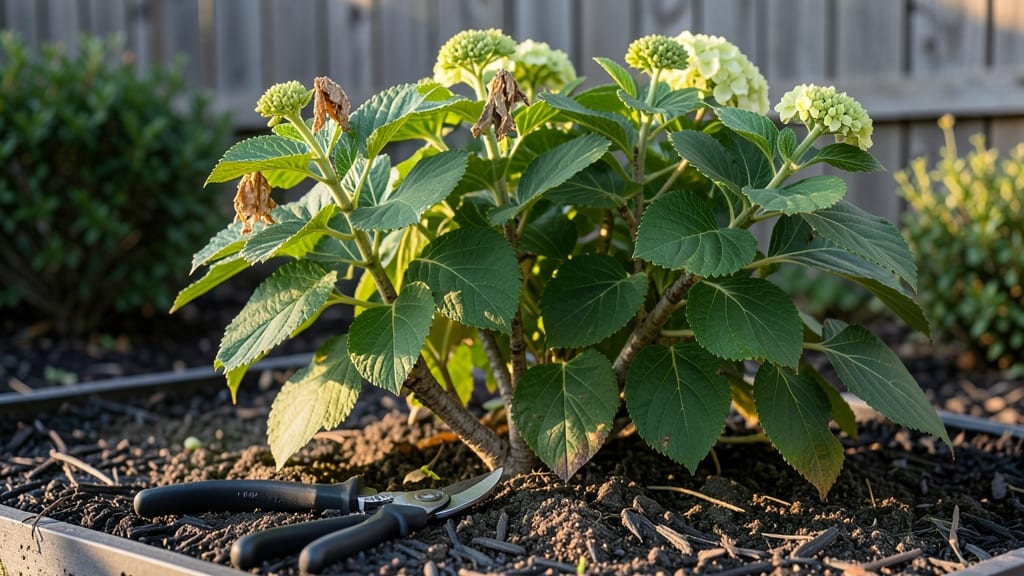
Trimming hydrangeas in Ohio at the right time ensures big, healthy blooms next season — and getting it wrong can leave you with sparse flowers or even dead stems.
Ohio’s unpredictable winters and humid summers can leave gardeners confused about the best time to trim hydrangeas — get it wrong, and you might sacrifice next year’s stunning blooms. Timing matters more than you think, especially for Ohio’s unique climate zones.
Most hydrangeas bloom on new wood, meaning you should trim them in late winter or early spring, right after the last frost date (typically around April 15 in Zone 6a).
But if you have an old wood bloomer, like the classic mophead variety, wait until right after flowering in summer.
Below, I’ll break down the exact months to trim by variety, the tools you’ll need, and how to care for your hydrangeas afterward to keep them thriving for years to come.
Best months to trim hydrangeas in Ohio by variety type
Ohio’s variable climate means timing your hydrangea trimming just right can mean the difference between vibrant blooms next season and missed flowers. The key lies in understanding whether your hydrangea blooms on old wood (last year’s growth) or new wood (current year’s growth).
In Ohio’s USDA Zone 6a, this distinction determines whether you trim in late winter or late summer.
For mophead and lacecap hydrangeas (old wood bloomers), trimming too early can remove next year’s flower buds. Meanwhile, panicle and oakleaf hydrangeas (new wood bloomers) thrive when pruned in late winter or early spring.
Let’s break down the exact months for each variety to keep your Ohio garden looking its best.
Ohio’s late winter (February-March) is ideal for panicle and oakleaf hydrangeas because it removes dead wood while leaving next year’s growth intact. For mophead and lacecap varieties, wait until late July or August—after the blooms have faded—to avoid cutting off flower buds that form on old wood.
Pro tip: If you’re unsure which type you have, check last year’s growth. Old wood bloomers will have flower buds on stems from the previous year, while new wood bloomers produce buds on current season’s growth. This simple trick saves you from costly mistakes!
In Ohio’s humid climate, always use sterilized pruners to prevent spreading disease. After trimming, apply a 2-3 inch layer of mulch to retain moisture and protect roots during Ohio’s hot summers and cold winters. This extra step keeps your hydrangeas thriving year-round.
One common mistake Ohio gardeners make is trimming too late in the season. For old wood bloomers, cutting back after September 15 risks exposing new growth to early frosts, which can damage the plant.
Plan your trimming schedule around Ohio’s last frost date (April 15) for new wood bloomers to ensure safe regrowth.
For mophead hydrangeas, like the popular 'Endless Summer,' you can also do a light trim in late winter to shape the plant, but avoid heavy pruning. Focus on removing dead or crossing branches to improve airflow. This two-step approach balances aesthetics and bloom production for Ohio’s unpredictable climate.
If you’re new to hydrangea pruning, start with panicle varieties like 'Limelight'—they’re the most forgiving. These new wood bloomers reward even late pruning with vigorous growth, making them perfect for Ohio gardeners still learning the ropes.
Remember: Timing is everything. In Ohio’s Zone 6a, where winters can be harsh and summers humid, following these variety-specific schedules ensures your hydrangeas will rebound beautifully each spring. With the right cuts, you’ll enjoy larger blooms and healthier plants year after year.
Ohio-specific warning signs: when NOT to trim your hydrangeas
Ohio’s unpredictable frost dates and sudden temperature swings make hydrangea pruning tricky. Many gardeners rush to trim too early—often in late winter or early spring—only to stunt next year’s blooms. The key is recognizing your hydrangea’s dormancy signals and avoiding common mistakes that Ohio’s climate amplifies.
One of the biggest errors is pruning new wood bloomers (like panicle hydrangeas) after mid-summer. Cutting back too late removes the current year’s flower buds, leaving you with bare stems for next season.
Even worse? Trimming old wood bloomers (like mopheads) in fall or winter risks exposing them to late frosts, which can kill emerging buds.
⚠️ NEVER Trim Hydrangeas When...
- ❄️ Frost is still a threat (before April 15 in Ohio). New cuts won’t harden in time.
- 🌱 Buds are already swelling (early spring). You’ll remove next year’s flowers.
- 🍂 Leaves are still attached (fall/winter). Old wood bloomers need winter protection.
- ☀️ Heatwave hits post-pruning. Stress from trimming + heat = shock to the plant.
Pro Tip: Wait until late March to early April for old wood bloomers and June after flowering for new wood types.
Another red flag? Ignoring your hydrangea’s growth habit. Ohio’s humid summers can make it hard to spot, but woody stems (thicker than a pencil) mean it’s an old wood bloomer—trim it wrong, and you’ll lose flowers.
Conversely, thin, green stems signal a new wood bloomer, which needs a completely different approach.
Even well-meaning gardeners fall for the myth that “more pruning = bushier growth”. Over-trimming in Ohio’s early spring can actually delay blooming by weeks. If your hydrangea looks sparse after pruning, you’ve likely cut too much.
Aim to remove only 10-30% of the plant’s volume, depending on its health and type.
Finally, watch for dormant buds—small, plump bumps along stems—that appear in late winter. These are your plant’s next year’s flowers. If you trim before they’re visible, you’re gambling with your hydrangea’s future.
In Ohio’s Zone 6a, these buds typically emerge by mid-March, so hold off until you spot them.
Remember: Patience pays off. Ohio’s climate rewards gardeners who wait for the right cues. A little observation—and avoiding these common pitfalls—will keep your hydrangeas thriving for years to come. 🌿✂️