
Plants
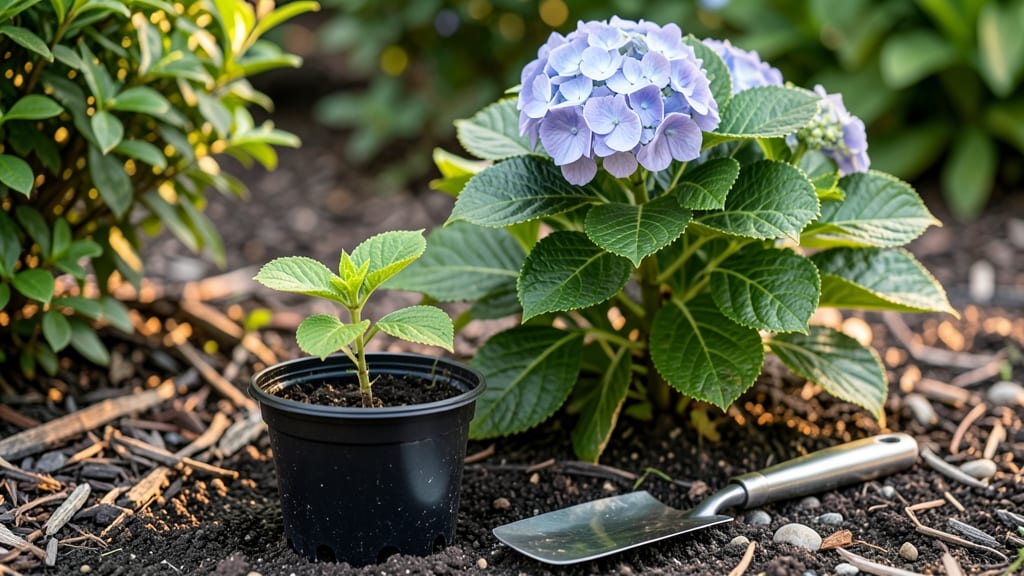
You can plant hydrangeas outside in most climates, but success depends on choosing the right season and location: transplant in spring or fall, avoid areas prone to harsh frost, and provide partial shade with well-draining soil for the best results.
Hydrangeas thrive outdoors when planted during their dormant seasons—spring or fall—when soil temperatures are mild and roots can establish without stress. 🌿 The key is avoiding extreme heat or frost, which can shock young plants.
I’ve found that fall planting (4-6 weeks before the first frost) often gives roots extra time to settle before winter, while spring planting (after the last frost) prevents early-season cold snaps from damaging tender growth.
Climate plays a huge role in long-term care. In colder zones (like USDA 3-5), mulching heavily and wrapping the base with burlap protects roots from freeze-thaw cycles. Meanwhile, heat-loving varieties (such as Panicle hydrangeas) handle Zone 6+ summers better than their shade-dependent cousins.
Always check your local USDA zone and microclimate—urban areas can be 5-10°F warmer than rural spots!
💡 In This Article
- Best Seasons for Planting Hydrangeas Outdoors
- Climate Zone Considerations for Outdoor Hydrangea Care
Best seasons for planting hydrangeas outdoors
Hydrangeas establish best when planted during their dormant periods—either in early spring (after the last frost) or fall (4-6 weeks before the first frost). The ideal soil temperature for root development is between 50-65°F.
Spring planting gives young roots time to grow before summer heat arrives, while fall planting allows roots to settle before winter dormancy.
I’ve seen Bigleaf hydrangeas thrive when planted in late September in Zone 6, but the same timing would be too early in Zone 8, where winter arrives later.
Frost sensitivity is the biggest factor in timing. Newly planted hydrangeas can’t handle temperatures below 20°F, so avoid planting when frost is forecast within 2-3 weeks. In colder zones (USDA 3-5), fall planting should occur 6-8 weeks before frost to allow roots to harden off.
The root zone needs protection—mulch with 3-4 inches of shredded bark to insulate against freeze-thaw cycles. 🌱 What most gardeners miss is that soil temperature, not air temperature, determines root activity.
Here’s how to choose: In Zone 6-7, aim for April-May (spring) or September-October (fall). In Zone 8-9, stretch the window to March-April (spring) or October-November (fall). The goal is to give roots 4-6 weeks of warm soil before dormancy or heat stress sets in.
For example, a Panicle hydrangea planted in Zone 7 in late May risks summer drought, while one planted in early October avoids winter desiccation.
Container-grown hydrangeas need extra care—their roots are often root-bound, so soak the pot for 10-15 minutes before planting to reduce transplant shock. After planting, water deeply to settle soil and keep moisture consistent for the first 2-3 weeks.
A moisture meter helps track soil hydration; aim for 40-60% moisture in the root zone. Overwatering is just as harmful as underwatering—hydrangeas hate soggy roots.
Seasonal cues matter too. Look for leaf buds swelling in spring (a sign to plant) or leaves yellowing in fall (time to mulch).
In Zone 5, I’ve had success planting Oakleaf hydrangeas in late May after soil warms to 55°F, but I always cover them with burlap wraps until roots establish. 🌿 The difference between success and failure often comes down to these small details.
Pro tip: If you miss the ideal window, container gardening is a great backup. Grow hydrangeas in 15-gallon pots with well-draining mix and move them indoors during extreme weather.
This gives you flexibility to plant anytime—just ensure the container has drainage holes and you’re using acidic soil (pH 5.5-6.2) for optimal bloom color.