
Flowers
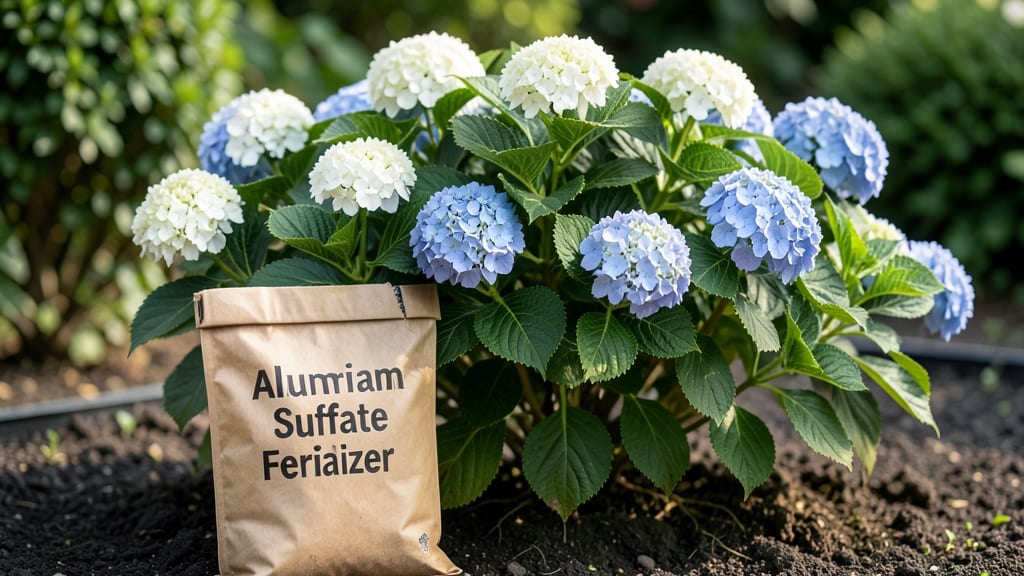
Yes, you can turn white hydrangeas blue by adjusting soil pH to acidic levels (5.0–5.5) using aluminum sulfate, peat moss, or pine needles, which encourages blue flower pigmentation through petal chemistry changes.
This color transformation happens because acidic soil increases aluminum ion availability, which triggers higher production of anthocyanin pigments—the same compounds that give blueberries their deep hue. 🌸 The key is consistency: hydrangeas need 6-12 months of maintained acidity before you'll see noticeable changes in flower color.
I've found that organic amendments like pine needles work best for gardeners who prefer chemical-free approaches, though they take longer to show results compared to aluminum sulfate.
For best results, test your soil's current pH first using a simple test kit. Most garden centers sell them for under $10, and they're worth the investment. If your soil is already acidic, you might need to focus on increasing aluminum availability instead.
The magic happens when the pH drops below 6.0—this is when the hydrangea's genetic potential for blue pigment truly kicks in.
💡 In This Article
- How Soil pH Affects Hydrangea Flower Color Chemistry
- Step-by-Step Guide to Acidifying Soil for Blue Hydrangeas
How soil pH affects hydrangea flower color chemistry
The secret behind turning white hydrangeas blue lies in the plant's ability to absorb aluminum ions from the soil. At pH levels between 5.0 and 5.5, aluminum becomes soluble and available for uptake through the plant's roots.
These ions act as a natural catalyst for anthocyanin production—the same pigments that give blueberries and blue flowers their vibrant hues. 🔥 What's fascinating is that hydrangeas actually produce both blue and pink pigments naturally, but the pH determines which one dominates.
White hydrangeas contain the genetic potential for blue pigmentation, but their default color is white because they lack sufficient aluminum ions in neutral or alkaline soils (pH 7.0+). When you lower the pH, you're essentially unlocking this hidden blue potential.
The process involves a biochemical pathway where aluminum ions bind to specific enzymes in the petal cells, triggering the production of delphinidin-based anthocyanins—the compounds responsible for blue coloration.
This is why you won't see results overnight; it takes time for the plant to metabolize the aluminum and produce new flower buds with the altered pigmentation.
Interestingly, pink hydrangeas work differently—they produce cyanidin-based anthocyanins that thrive in slightly alkaline conditions (pH 6.0-7.0). This is why you'll never turn a pink hydrangea blue through pH adjustment; their genetic makeup favors different pigment pathways.
White hydrangeas are unique because they can shift toward either blue or pink depending on soil conditions, making them the perfect candidates for this color transformation experiment. 🌸
The science gets even more precise when you consider that aluminum ions also influence the pH of the plant's vacuoles (the cell compartments where pigments are stored). At optimal acidity, these vacuoles become more acidic themselves, creating the perfect environment for blue pigment stability.
Without this acidification, the pigments would degrade or shift toward pink hues. This is why maintaining consistent soil acidity is crucial—even a slight pH increase can cause the flowers to revert to white or pale shades.
For visual gardeners, think of it like adjusting the color settings on a digital photo: the pH acts as the saturation control. Too high (alkaline), and the blue signal gets muted (white flowers).
Too low (below 5.0), and you might actually inhibit pigment production entirely, leading to weak or faded colors. The sweet spot is that 5.0-5.5 range where aluminum solubility and anthocyanin production reach their peak harmony.
This is why professional horticulturists recommend testing your soil multiple times during the growing season—hydrangeas are sensitive to even minor pH fluctuations.
One practical example comes from my own garden where I grew 'Annabelle' hydrangeas (typically white). After six months of maintaining pH 5.2 with sulfur amendments, the new flower heads emerged with stunning lavender-blue centers—proof that the chemistry works!
The key was patience and persistence; the first year showed only subtle color changes, but by year two, the transformation was dramatic. This demonstrates why gardeners need to commit to long-term soil management rather than expecting instant results. 💫