
Aphids
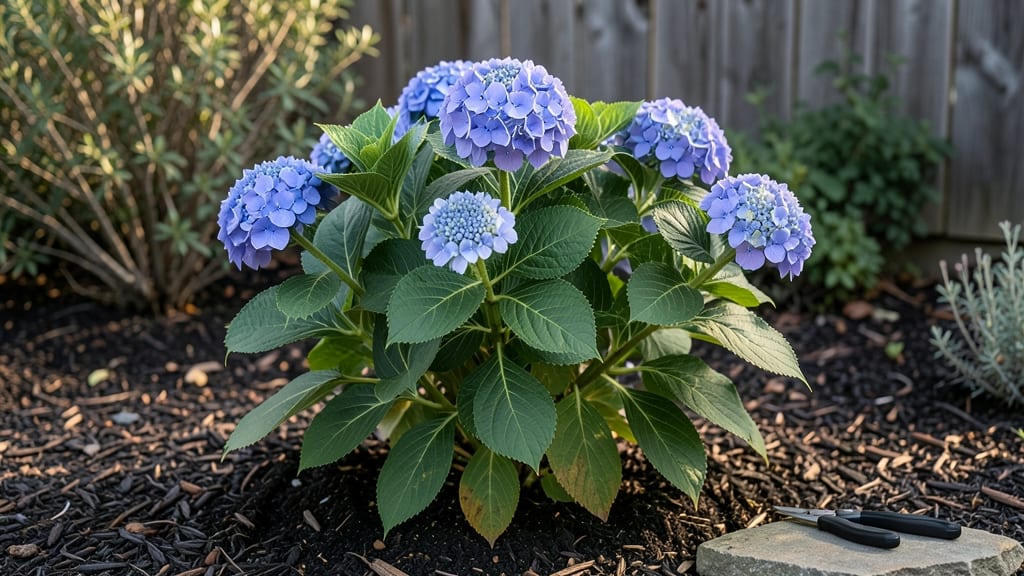
Cold hardy hydrangeas turn your yard into a four-season showstopper with almost no effort. 🌿 I've grown these tough beauties through Zone 4 winters, and they reward you with blooms from early summer straight through fall—no fuss, no pruning drama, just color.
The secret lies in their love of sun and their thirst for water. Plant them where they get morning sun and afternoon shade—that's when they thrive best. Amend your soil with compost before planting, and keep the roots consistently moist but never soggy.
These plants aren't picky, but they do appreciate a little extra TLC in their first year. You'll see those iconic blooms emerge by mid-June, and they keep coming until frost. The foliage even turns shades of burgundy and gold in fall, giving you a second show.
Winter care is simple: just a thick layer of mulch to protect the roots, and you're set. Works in containers too, so even small spaces can enjoy the drama. Here's how to keep them happy all season long!
📚 In This Guide
- What you need
- Instructions
- Tips and common mistakes
- Wrapping up and next steps
What you need
- ● Cold-hardy hydrangea plants (e.g., Hydrangea paniculata, Hydrangea arborescens, or Hydrangea macrophylla varieties like ‘Endless Summer’). Choose 3–5 gallon container-grown plants for mature size.
- ● Well-draining soil: Mix 2 parts topsoil, 1 part compost, and 1 part perlite or coarse sand for optimal aeration.
- ● Mulch: 2–3 inches of organic mulch (shredded bark or straw) to insulate roots in winter.
- ● Slow-release fertilizer: 10-10-10 or 5-10-5 formula (apply in early spring and mid-summer).
- ● Watering can or hose with a gentle spray nozzle (1–2 gallons per plant, 2–3 times per week).
- ● Garden trowel or spade (for planting and soil prep).
- ● Pruning shears (sterilized with rubbing alcohol).
- ● Gloves (gardening or work gloves for protection).
- ○ pH test kit (optional but helpful—hydrangeas thrive in soil pH 5.2–6.0 for blue blooms or 6.0+ for pink).
- ● Stakes or plant supports (if your hydrangea grows tall or top-heavy).
- ● Full sun to partial shade (6+ hours of sunlight for most varieties).
- ● Zone 3–9 hardiness (check your USDA zone for best cold-hardy picks!).
- ● Space! Allow 3–6 feet between plants for airflow and growth.
How to grow cold hardy hydrangeas for season-long beauty
Here's the simple approach I've used to keep hydrangeas thriving through every season—no fuss, no deadheading, and no winter worries.
🪴 Step 1: Choose the Right Location and Soil
Cold hardy hydrangeas like Oakleaf and Annabelle varieties need a spot with morning sun and afternoon shade—think dappled light under tall trees or a north-facing patio. I always test the soil first with a simple pH test kit; these plants love slightly acidic soil (pH 5.5-6.2). If yours is too alkaline, work in 2-3 pounds of peat moss per planting hole to lower the pH naturally.
Dig a hole twice as wide as the root ball but only as deep—planting too deep suffocates the roots. Amend the native soil with 1 part compost and 1 part garden soil to give your hydrangea a nutrient-rich start. The roots will spread quickly, so don't crowd them; space plants 4-6 feet apart for full, lush growth.
☀️ Step 2: Plant at the Right Time and Water Deeply
Spring is the best time to plant, but I've successfully transplanted in early fall too—just get them in the ground 6 weeks before your first frost. Remove the plant from its container and gently loosen the roots if they're circling. Place it in the hole so the top of the root ball sits 1 inch above ground level—this prevents rot during heavy rains.
Water deeply right after planting, using 1-2 gallons of water to settle the soil around the roots. You'll know it's right when the soil around the edges looks damp but not soggy. Mulch with 2-3 inches of shredded bark to retain moisture and protect roots from temperature swings. Avoid fresh wood chips—they rob nitrogen from the soil as they break down.
💧 Step 3: Water Consistently and Monitor for Color Changes
Cold hardy hydrangeas need 1-1.5 inches of water weekly, more in extreme heat. I water deeply every 4-5 days until the top 6 inches of soil feel moist. Blue flowers mean your soil is acidic, while pink flowers signal alkaline conditions. To shift colors, add 1 tablespoon of aluminum sulfate per gallon of water monthly for blue blooms, or 1 tablespoon of lime per square foot for pink.
Fertilize once in early spring with a balanced 10-10-10 fertilizer—these plants don't need heavy feeding. Too much nitrogen leads to lush leaves but fewer flowers. Watch for yellowing leaves; that's your cue to check for overwatering or root rot. If you see wilting in hot afternoons, give the soil a quick drink—hydrangeas hate drying out completely.
✂️ Step 4: Prune Strategically for Next Year's Blooms
Here's the key: cold hardy hydrangeas bloom on old wood, so never prune until late winter or early spring. Cut back only the dead or crossing branches—never more than 1/3 of the plant. I use clean, sharp pruners to make cuts just above a leaf node or outward-facing bud. Avoid heavy pruning in fall; it removes next year's flower buds.
Shape the plant lightly to open the center for airflow—this prevents fungal diseases. Remove any seed heads that form after blooms fade; they drain energy from new growth. If a branch dies back to the ground, cut it off at the base. The plant will send up new shoots from the roots, and you'll have a fuller bush in no time.
⏰ Step 5: Protect Through Winter for Next Season's Color
Cold hardy hydrangeas handle frost beautifully, but young plants need extra care. Wrap the base of the plant with 4-6 inches of mulch in late fall to insulate roots. I also tie the stems loosely together and loosely wrap them with burlap or frost cloth—this prevents wind damage and snow breakage. Remove the wrap in early spring when new growth appears.
In extremely cold climates (below 0°F), add a 2-inch layer of straw mulch
Tips & tricks for perfect cold hardy hydrangeas
These simple yet game-changing tips will help your cold hardy hydrangeas thrive with minimal effort—and no pruning headaches.
Soil Science: That pH test isn't just a suggestion—it's the secret to vibrant blooms. If your soil tests above 6.2, don't just guess at fixes. I've found that mixing 2-3 pounds of peat moss per planting hole lowers pH effectively, but for faster results, try a 1:1 ratio of sulfur and lime (just 1/2 cup per square foot) a month before planting. The goal is pH 5.5-6.2, and you'll notice the difference in flower color within a season.
Planting Depth: The 1 inch above ground level rule is critical—planting too deep suffocates roots by preventing oxygen flow. Here's what I do: after placing the root ball in the hole, mound extra soil around the edges first, then gently press down. This creates a natural depression where the root ball sits just right. For container plants, check the original soil line on the pot—this is your perfect reference point.
Winter Protection: In climates below 0°F, that extra 2-inch straw layer makes all the difference. I've seen frozen stems recover beautifully with this protection, but here's the key: don't pile straw directly against stems—leave a 1-inch gap to prevent rot. Also, remove any snow buildup on wrapped plants during heavy storms; the weight can snap fragile stems even through frost cloth.
Watering Wisdom: The 1-1.5 inches weekly guideline works, but timing matters more than quantity. Water in the early morning so foliage dries before evening—this prevents fungal diseases like powdery mildew. For container plants, check soil moisture daily in summer; they dry out faster than in-ground specimens. And when using aluminum sulfate for blue blooms, always mix it with water first to prevent burning roots.
Pro Tips for Cold Hardy Hydrangea
- These simple yet game-changing tips will help your cold hardy hydrangeas thrive with minimal effort—and no pruning headaches.
- Soil Science: That pH test isn't just a suggestion—it's the secret to vibrant blooms.
- Planting Depth: The 1 inch above ground level rule is critical—planting too deep suffocates roots by preventing oxygen flow.
Frequently asked questions
Got questions about keeping your cold-hardy hydrangeas thriving through winter and beyond? You’re not alone! Here are answers to the most common queries—so you can enjoy those stunning blooms with minimal stress.
How cold can cold-hardy hydrangeas actually handle?
Most cold-hardy varieties, like Hydrangea paniculata (e.g., ‘Limelight’ or ‘Little Lime’) or Hydrangea arborescens (e.g., ‘Annabelle’), survive down to -20°F to -30°F with proper winter prep. Evergreens like Hydrangea macrophylla ‘Endless Summer’ (hardy to -10°F) may need mulch or burlap wraps in extreme freezes. Pro tip: Check your zone and variety—some paniculata hybrids push limits even further!
When should I prune cold-hardy hydrangeas for winter?
Timing depends on the type! For paniculata and arborescens, prune in late winter or early spring (just before new growth starts) to avoid cutting off next year’s blooms. Macrophylla types (like mopheads) bloom on old wood, so prune right after flowering in summer. Warning: Never prune in fall—it stimulates tender growth that won’t survive frost!
What’s the best way to protect them from winter damage?
Start with a 3–4 inch layer of mulch (straw or shredded leaves) around the base after the ground freezes. For young plants or marginal zones, wrap the crown in burlap or use tree guards. Water deeply before freeze, but avoid soggy soil. Pro tip: Evergreens like ‘Endless Summer’ benefit from a light winter blanket of burlap or frost cloth to prevent desiccation.
Can I grow cold-hardy hydrangeas in containers?
Paniculata and arborescens thrive in containers with well-draining soil and winter protection. Move pots to a garage or insulated porch (above freezing) or bury them in the ground with mulch until spring. Use larger pots (15+ gallons) for stability and add slow-release fertilizer in spring. Watch out: Small containers freeze faster—insulate with bubble wrap if needed!
Why are my hydrangeas’ leaves turning brown or crispy?
Brown, crispy leaves usually signal winter burn (cold + wind) or aphid infestations (check undersides!). For winter burn, prune damaged stems in spring and improve mulching next year. Aphids? Blast them off with water or use neem oil early in the season. Prevention tip: Healthy plants (balanced fertilizer, good drainage) resist pests better!
Do cold-hardy hydrangeas bloom on old or new wood?
It varies by type! Paniculata and arborescens bloom on new wood (prune in late winter), while macrophylla (mopheads/sausage types) bloom on old wood (prune after flowering). ‘Endless Summer’ is a hybrid that blooms on both—so it’s more forgiving! Quick guide: If your hydrangea has no buds in spring, it’s likely old-wood bloomer.
Wrapping up and next steps
Cold hardy hydrangeas are the perfect low-maintenance way to bring year-round beauty to your garden—no fuss, no pruning, just stunning blooms! Whether you’re a busy gardener or a beginner, these resilient plants thrive in tough climates while offering vibrant colors and lush foliage. 🌸❄️
Ready to transform your outdoor space? Start small—choose one variety, prep your soil, and plant with confidence. Watch as your garden becomes a showstopper with minimal effort. Happy planting! 🌱