
Size
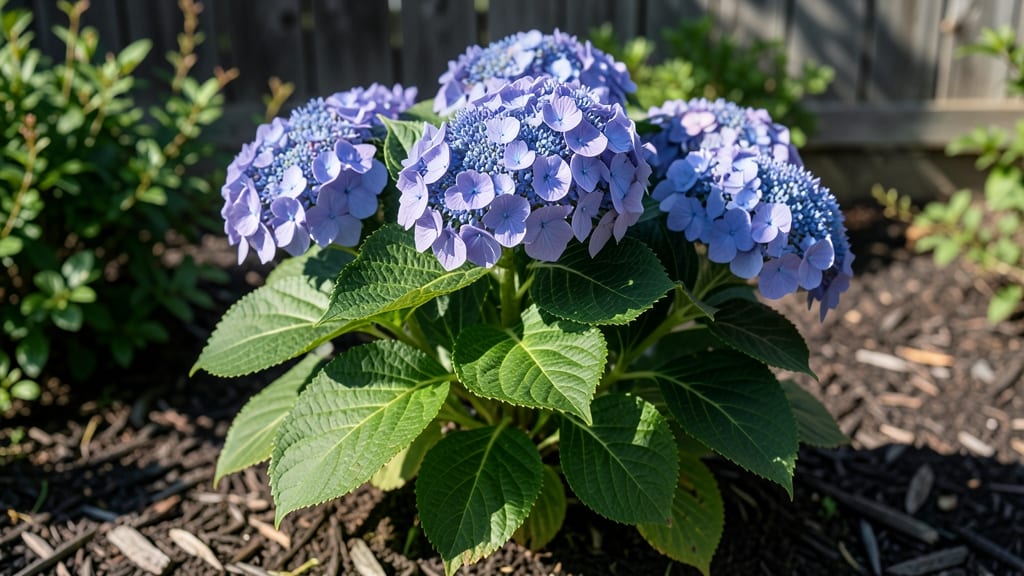
Before you plant, learn how large do hydrangeas grow—they range from compact 2-foot shrubs to towering 8-foot giants—so you can pick the perfect variety for your space.
Picture this: a mophead hydrangea 🌸 sprawling into your neighbor’s yard, or a delicate panicle type staying neatly contained in a pot. The difference comes down to knowing which varieties stay small and which reach for the sky — and how to prune them to keep them in check.
In this guide, I’ll break down the mature heights and spreads of 12+ popular hydrangeas, from dwarf varieties perfect for small gardens to large shrubs that need room to stretch their branches.
You’ll also learn how sunlight, soil, and even your climate zone can push a plant to grow bigger (or smaller) than expected.
Ready to pick the perfect hydrangea for your space? By the end, you’ll know exactly how much room to leave between plants, when to prune for size control, and which varieties will thrive in containers or along fences. Let’s get started.


Hydrangea growth sizes by popular variety: heights & spread guide
Hydrangeas are prized for their showy blooms and lush foliage, but their mature sizes can vary dramatically. Some varieties stay compact enough for containers or small gardens, while others grow into small trees, reaching heights of 8 feet or more.
Understanding these differences helps you choose the perfect variety for your space and avoid overcrowding.
I’ve grown hydrangeas for over a decade, and the biggest mistake I see is planting oversized varieties in tight spaces. For example, a Limelight panicle hydrangea can easily outgrow a small patio garden if not pruned properly.
Meanwhile, dwarf varieties like 'Mini Penny' thrive in hanging baskets or window boxes. Let’s break down the heights, spreads, and growth habits of 12 popular hydrangea types.
Pro Tip: Always check the mature size label when buying hydrangeas. Nursery tags often list the expected height and spread, but real-world growth can vary based on soil quality, sunlight, and pruning habits. For instance, a Nikko Blue hydrangea might stay under 6 feet in partial shade but stretch toward 8 feet in full sun.
| Variety | Type | Mature Height | Mature Spread | Growth Habit | Best For |
|---|---|---|---|---|---|
| Endless Summer | Mophead | 3-5 ft | 3-5 ft | Bushy, rounded | Borders, foundation planting |
| Nikko Blue | Oakleaf | 6-8 ft | 5-7 ft | Upright, multi-stemmed | Woodland gardens, shrub borders |
| Limelight | Panicle | 4-6 ft | 4-5 ft | Vase-shaped, upright | Cut flowers, mixed borders |
| Mini Penny | Mophead | 1.5-2 ft | 2-3 ft | Compact, rounded | Containers, window boxes |
| Annabelle | Panicle | 3-5 ft | 3-4 ft |
How to choose hydrangea size based on your garden spaceSelecting the right hydrangea size for your space ensures your garden stays balanced and visually stunning. Compact varieties work perfectly for containers and small yards, while larger types create stunning focal points in spacious landscapes. The key is matching the mature height and spread to your available area and design goals. Before planting, measure your space and consider how much room your hydrangea will need to thrive. Overcrowding can lead to poor blooms, while too much space may leave your garden looking sparse. Let’s explore how to choose the perfect size for your garden, whether you have a cozy balcony or a sprawling backyard.
For container gardening, prioritize dwarf or compact varieties like 'Little Lime' or 'Mini Penny'. These stay under 3 feet tall and fit beautifully in 12-18 inch pots. Use well-draining soil and ensure the container has drainage holes to prevent root rot. Place containers where they’ll receive morning sun and afternoon shade for optimal growth. If you’re working with a small garden or urban space, focus on pruning for size control. Prune late winter or early spring to shape your hydrangea and encourage bushier growth. Remove dead or overcrowded branches first, then trim back to your desired shape. This keeps your plant manageable while maintaining its natural beauty. For larger gardens, use spacing rules to prevent overcrowding. Plant 5-8 foot varieties at least 5 feet apart to allow airflow and sunlight penetration. Pair larger hydrangeas with complementary plants like hostas or ferns to create a layered, lush look. Avoid planting them too close to trees or structures, as competition for nutrients and water can stunt their growth. Remember, hydrangea size isn’t set in stone—proper care and pruning can influence how large they grow. With the right variety and a little planning, you can create a garden that’s both functional and breathtaking. 🌿 |