
Diseases
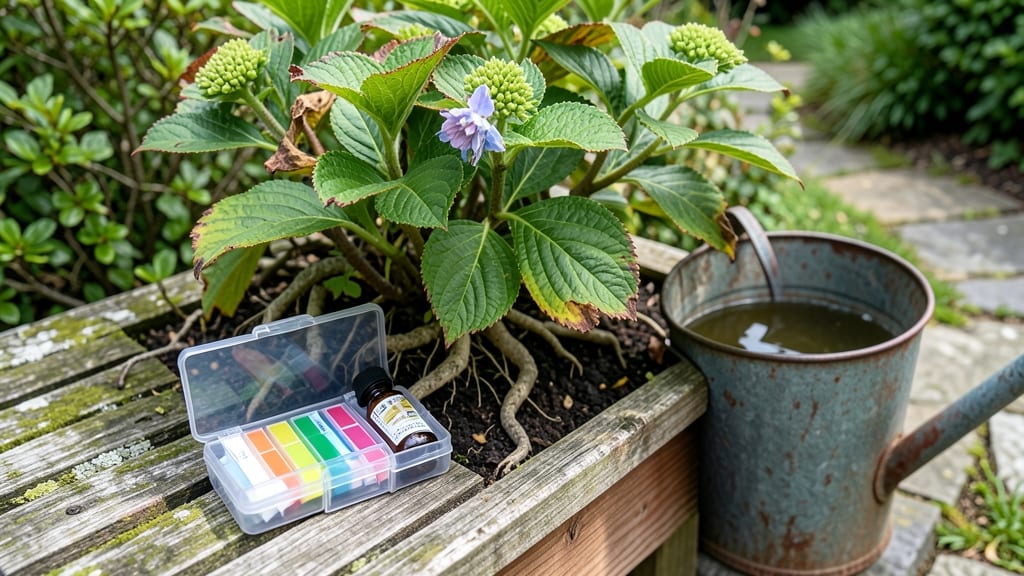
Your hydrangea leaves turning reddish brown could be a cry for help from your plant. 🌿 The vibrant green you love fades into a concerning hue when soil pH, pests, or fungal infections take over—but don’t panic.
Most cases are fixable with the right care, and I’ll walk you through exactly what to check first.
The culprit is often too alkaline soil, which locks out iron and manganese, causing that brownish-red tint. Pests like spider mites or fungal diseases like leaf spot can also mimic this distress signal.
The good news? A simple soil test and targeted treatments can bring those leaves back to life within weeks.
Start by adjusting your watering routine and testing your soil’s pH—hydrangeas thrive in acidic soil (5.2–6.2). Prune affected leaves to improve airflow, and apply a balanced fertilizer to restore nutrients. With the right approach, your hydrangeas will bounce back with lush, vibrant blooms by next season.
For stubborn cases, like widespread black spots or wilting, consult a local nursery or extension service. Early action is key—don’t let this small sign turn into a full-blown crisis. Your hydrangeas will thank you!
Root Causes Behind Discolored Leaves
When your hydrangea’s leaves start shifting to a reddish-brown hue, it’s often a distress signal from the plant. Understanding the why behind this change is the first step to saving your shrub.
Below, we break down the most common culprits—each with a clear scientific explanation and actionable clues to help you diagnose the issue.
Hydrangeas thrive in moderate climates, but extreme temperatures—whether scorching summer heat or a sudden late frost—can trigger reddish-brown leaf discoloration. Here’s why:
- Heat Stress: When temperatures soar above 90°F (32°C), hydrangeas may experience chlorosis (loss of green pigment) or necrosis (browning of leaf edges). High heat accelerates transpiration (water loss), causing cellular damage. Look for: Crispy edges, wilting, or leaves curling upward like a taco.
- Cold Damage: Frost or temperatures below 20°F (-7°C) can rupture cell walls, leading to freeze burn. The reddish-brown color appears as cells die and oxidize. Look for: Leaves turning leathery or blackened in patches, often starting at the tips.
💡 Pro Tip: Hydrangeas are hardy in USDA Zones 4–9, but mulch heavily in winter (3–4 inches of organic mulch) and provide afternoon shade in summer to mitigate stress.
Reddish-brown spots or patches on hydrangea leaves are often a red flag for fungal diseases, which thrive in humid, stagnant conditions. The two most common offenders:
| Disease | Cause | Visual Clues |
|---|---|---|
| Leaf Spot (e.g., Septoria or Phyllosticta) | Overhead watering, poor airflow, or wet foliage for >12 hours. Spores spread via wind or splashing water. | Small, circular reddish-brown spots with yellow halos. Spots may develop dark centers as the fungus matures. |
| Powdery Mildew | High humidity (>75%) and temperatures between 60–80°F (15–27°C). Fungal spores germinate on leaf surfaces. | White powdery coating on leaves that later turns reddish-brown and crispy. Often starts on undersides. |
🔥 Action Step: Prune infected leaves immediately and dispose of them in the trash (not compost). Space plants for airflow and water at the base—not overhead. For severe cases, apply a copper fungicide or neem oil.
Hydrangeas are thirsty but sensitive—both drought and overwatering can cause reddish-brown leaves. Here’s how to tell them apart:
- Underwatering: When soil dries out, hydrangeas drop water from their leaves through a process called translocation failure. Cells collapse, turning edges reddish-brown. Look for: Dry, crispy leaf edges, wilting, and soil pulling away from the pot (if container-grown).
- Overwatering: Soggy roots suffocate the plant, leading to root rot (often caused by Phytophthora fungi). The plant can’t absorb nutrients, causing leaves to yellow then brown. Look for: Mushy stems, foul-smelling soil, and leaves that feel limp even when watered.
🌡️ Ideal Watering: Keep soil consistently moist but not waterlogged. Stick your finger 2 inches into the soil—if it’s dry, water deeply. Mulch retains moisture and regulates temperature.
Hydrangeas are heavy feeders, and deficiencies—especially in iron, magnesium, or potassium—can manifest as reddish-brown leaves. Here’s the breakdown:
| Deficiency | Symptoms | Fix It |
|---|---|---|
| Iron (Fe) | Young leaves turn yellow between veins, while older leaves develop reddish-brown edges (bronzing). Common in alkaline soil (pH >7.0). | Apply chelated iron or iron sulfate. Test soil pH and amend with sulfur if needed. |
| Magnesium (Mg) | Reddish-brown or purplish patches between leaf veins, often starting on older leaves (interveinal chlorosis). | Use Epsom salt (magnesium sulfate)—dissolve 1 tbsp in a gallon of water and spray foliage. |
| Potassium (K) | Leaf edges turn reddish-brown and crispy (scorching), while veins remain green. Weak stems may also appear. | Fertilize with a balanced fertilizer (e.g., 10-10-10) or wood ash (use sparingly). |
✨ Soil Test Tip: Send a soil sample to your local Cooperative Extension Service for a pH and nutrient analysis. Hydrangeas prefer acidic soil (pH 5.2–6.2)—if yours is alkaline, amend with peat moss or pine needles.
While less common than environmental stressors, pests can cause reddish-brown discoloration by sucking sap, injecting toxins, or spreading disease. Suspect these culprits:
- Spider Mites: These tiny arachnids pierce cells to feed, causing stippling (tiny brown dots) that merge into reddish-brown patches. Look for: Fine webbing on undersides of leaves.
- Aphids: Clusters of these sap-sucking insects excrete honeydew, which fosters sooty mold—a black fungal growth that can darken leaves to a reddish-brown hue. Look for: Sticky residue on leaves.
- Japanese Beetles: Adults skeletonize leaves, leaving behind a lace-like pattern that turns brown. Look for: Chewed leaf edges and iridescent green beetles.
👨🍳 Pest Control: Blast off mites and aphids with a strong water spray. For beetles, handpick or use neem oil. Introduce ladybugs or praying mantises for natural predation.
Revive Your Hydrangeas Now
Seeing your hydrangea leaves turn reddish brown is frustrating, but don’t panic—most issues are fixable with the right care! Below are targeted solutions based on the root cause, along with prevention tips to keep your plants lush and vibrant. Let’s get your hydrangeas back to their best!
If your hydrangeas are soggy at the roots, they’ll struggle to absorb nutrients, leading to discoloration and stress.
💦 Step 1: Check the Soil
- Gently dig around the base of the plant (about 2 inches deep).
- If the soil feels constantly damp or smells like rot, drainage is the issue.
👨🌾 Step 2: Improve Drainage
- Amend the soil with perlite, sand, or compost to loosen heavy clay.
- Raise the plant slightly by mounding soil or planting in a slightly elevated spot.
- Use pots with drainage holes if growing in containers.
⏰ Step 3: Adjust Watering Habits
- Water deeply only when the top 1-2 inches of soil are dry.
- Avoid overhead watering—use a drip irrigation system or water at the base.
- Pro Tip: Morning watering prevents fungal growth from evening moisture.
🌡️ Prevention Tip
- Mulch around the base (2-3 inches of organic mulch) to regulate soil moisture and temperature.
Reddish-brown leaves can signal a lack of essential nutrients, especially in acid-loving hydrangeas.
📊 Step 1: Test Your Soil
- Use a soil pH test kit (ideal pH: 5.0–6.0 for hydrangeas).
- If the pH is too high (alkaline), nutrients like iron and manganese become unavailable.
💪 Step 2: Feed with Acidic Fertilizer
- Switch to an acid-forming fertilizer (e.g., cottonseed meal, sulfur-based granules, or a hydrangea-specific feed).
- Apply granular fertilizer in early spring and mid-summer.
- For container plants, use liquid acidifiers like vinegar or citric acid (follow package instructions).
🍎 Step 3: Boost Micronutrients
- If leaves are pale with brown edges, they may need iron or magnesium.
- Use chelated iron supplements (like Iron Chelate) for quick results.
- Epsom salt (magnesium sulfate) can help with yellowing between veins—dissolve 1 tbsp in a gallon of water and spray foliage.
✨ Prevention Tip
- Mulch annually with pine needles or oak leaves to naturally lower soil pH.
- Avoid over-fertilizing with lime or wood ash, which raises pH.
If the discoloration is accompanied by spots, wilting, or slimy stems, a pathogen may be at fault.
🍄 Step 1: Identify the Issue
- Powdery mildew: White fuzzy coating on leaves.
- Leaf spot: Dark brown spots with yellow halos.
- Bacterial wilt: Wilting, browning, and a foul smell at the stem base.
👨🍳 Step 2: Remove Infected Parts
- Prune away all affected leaves and stems with sterilized shears (wipe with rubbing alcohol).
- Dispose of clippings in the trash (not compost).
🌿 Step 3: Apply Fungicide or Bactericide
- For fungal issues: Spray with neem oil, copper fungicide, or baking soda solution (1 tsp baking soda + 1 quart water + a drop of dish soap).
- For bacterial infections: Use a copper-based bactericide (follow label instructions).
- Reapply every 7–10 days until new growth appears.
🎯 Prevention Tip
- Space plants properly for airflow (hydrangeas need 3–5 feet between plants).
- Water at the base (avoid wetting foliage) and water early in the day so leaves dry quickly.
- Clean up debris regularly to reduce pathogen spread.
Heat, cold, or harsh sunlight can cause leaves to scorch and turn brown.
☀️ Step 1: Shield from Extreme Sun
- If your hydrangea is in a hot, sunny spot, provide afternoon shade (especially in summer).
- Use lightweight shade cloth (30–50%) if full sun is unavoidable.
❄️ Step 2: Protect from Cold Snaps
- Mulch heavily (4–6 inches) in fall to insulate roots.
- Cover young plants with frost cloth if temperatures drop below 20°F (-6°C).
💡 Prevention Tip
- Choose shade-tolerant hydrangea varieties (like Hydrangea macrophylla ‘Endless Summer’) if your garden is low-light.
- Avoid transplanting in extreme heat or cold—wait for mild weather.
If your hydrangea is severely stressed, don’t give up—try these last-resort fixes:
- Prune back dead growth to encourage new, healthy shoots.
- Repot (if in a container) into fresh, acidic soil.
- Move to a better location—partial shade with consistent moisture.
- Monitor closely for 2–3 weeks to see improvement.
With the right care, your hydrangeas will bounce back—often within a few weeks! Keep an eye on their progress and adjust as needed. Happy gardening! 🌸
Frequently asked questions
Why do my hydrangea leaves turn reddish-brown in hot weather?
Extreme heat causes heat stress in hydrangeas, leading to leaf scorch. When temperatures exceed 90°F (32°C), the plant loses water faster than it can absorb, causing cellular damage that turns edges reddish-brown. Provide afternoon shade and mulch heavily to retain moisture.
Is reddish-brown discoloration always a sign of disease?
Not necessarily! While fungal diseases like leaf spot can cause reddish-brown patches, similar symptoms appear from nutrient deficiencies (especially iron or magnesium) or pH imbalance. Test your soil—hydrangeas thrive in acidic soil (pH 5.2–6.2). If the soil is alkaline, amend with sulfur or pine needles.
How can I tell if my hydrangea has spider mites causing the browning?
Check the undersides of leaves for tiny reddish-brown dots (stippling) and fine webbing. Spider mites thrive in dry conditions and suck plant sap, causing leaves to turn crispy and brown. Blast them off with water or use neem oil as a natural treatment.
Will pruning help reddish-brown leaves recover?
Yes! Prune affected leaves to improve airflow and redirect the plant's energy to healthy growth. Focus on removing dead or severely damaged leaves—never prune more than 1/3 of the plant at once. Always use sterilized shears to prevent spreading disease.
How long does it take for hydrangeas to recover from reddish-brown leaves?
With proper care, you’ll see improvement in 2–4 weeks. Adjust watering, fix soil pH, and apply targeted fertilizers. For severe cases (like fungal infections), recovery may take 6–8 weeks. Monitor progress and adjust treatments as needed.