
Shrubs
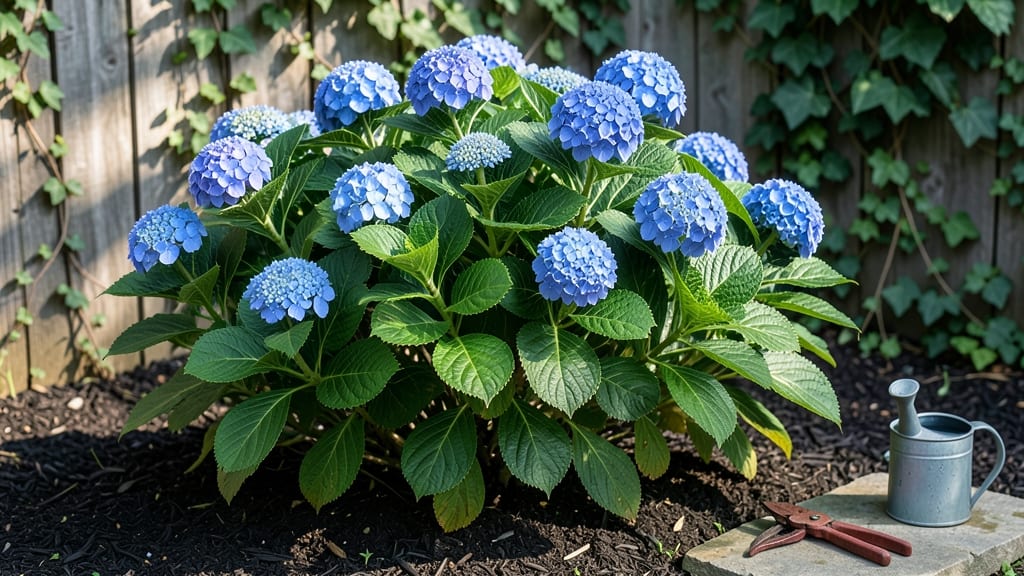
Hydrangea bushes in front of a house add striking curb appeal with their vibrant blooms and lush foliage, especially varieties like Endless Summer or Limelight that thrive in partial shade and require minimal pruning for low-maintenance beauty.
Hydrangeas are the ultimate front-yard showstoppers, offering year-round interest with their bold colors and dense foliage. 🌸 The right variety can transform your home's exterior into a vibrant focal point while demanding surprisingly little upkeep.
I've seen firsthand how a well-placed Endless Summer hydrangea can bloom from spring to fall with proper care, creating a lush green backdrop that frames your home beautifully. Their adaptability to different climates makes them a top choice for homeowners seeking both beauty and practicality.
What sets these shrubs apart is their ability to thrive in partial shade, making them perfect for areas where full sun might stress other plants.
The key to their low-maintenance reputation lies in understanding their specific needs—like when to prune (usually after blooming) and how much water they truly need (more than you'd think during their first year).
💡 In This Article
- Hydrangea Varieties for Front Yard Landscaping
- Low-Maintenance Hydrangea Care Tips for Beginners
Hydrangea varieties for front yard landscaping
Hydrangeas come in three primary types, each offering distinct characteristics that can dramatically alter your home's curb appeal. Bigleaf hydrangeas (Hydrangea macrophylla) produce those iconic large, rounded blooms in shades of blue, pink, or purple, with varieties like 'Endless Summer' delivering re-blooming flowers from spring to frost.
Their foliage remains lush and green year-round, providing a dense backdrop that softens architectural lines.
Panicle hydrangeas (Hydrangea paniculata), including the popular 'Limelight' variety, grow taller (often 6-10 feet) with cone-shaped flowers that start green and mature to white or pink. These thrive in full sun and offer longer bloom seasons (June to October), making them ideal for creating vertical interest against house siding.
Oakleaf hydrangeas (Hydrangea quercifolia) bring a unique fall color display with leaves that turn fiery red or purple, adding seasonal drama.
The right choice depends on your yard's light conditions and desired visual impact. Bigleaf varieties excel in partial shade (4-6 hours of sunlight), while panicle types handle full sun better. Oakleaf hydrangeas tolerate more sun but appreciate afternoon shade in hot climates.
For example, 'Nikko Blue' bigleaf hydrangeas produce deep blue blooms that contrast beautifully with white house exteriors, while 'Little Lime' panicle hydrangeas offer chartreuse flowers that pop against brick.
Consider your climate zone too - southern gardeners should choose heat-tolerant varieties like 'Blushing Bride' (panicle type) that won't scorch in summer sun. Northern regions benefit from hardy oakleaf varieties that withstand winter temperatures down to -25°F.
The key is matching the plant's natural growing habits with your yard's microclimate for maximum impact with minimal effort.
Pro tip: For maximum curb appeal, plant hydrangeas in odd-numbered groupings (3, 5, or 7 plants) rather than single specimens. This creates natural focal points that draw the eye while maintaining balance.
The dense foliage also helps reduce noise pollution from street traffic, adding a practical benefit to their visual appeal.
What's fascinating is how hydrangea colors change with soil pH - acidic soil (pH <5.5) produces blue flowers while alkaline soil (pH >6) yields pink blooms. This natural color-shifting ability lets you create custom color schemes simply by adjusting your soil amendments. 🌸