
Flowers
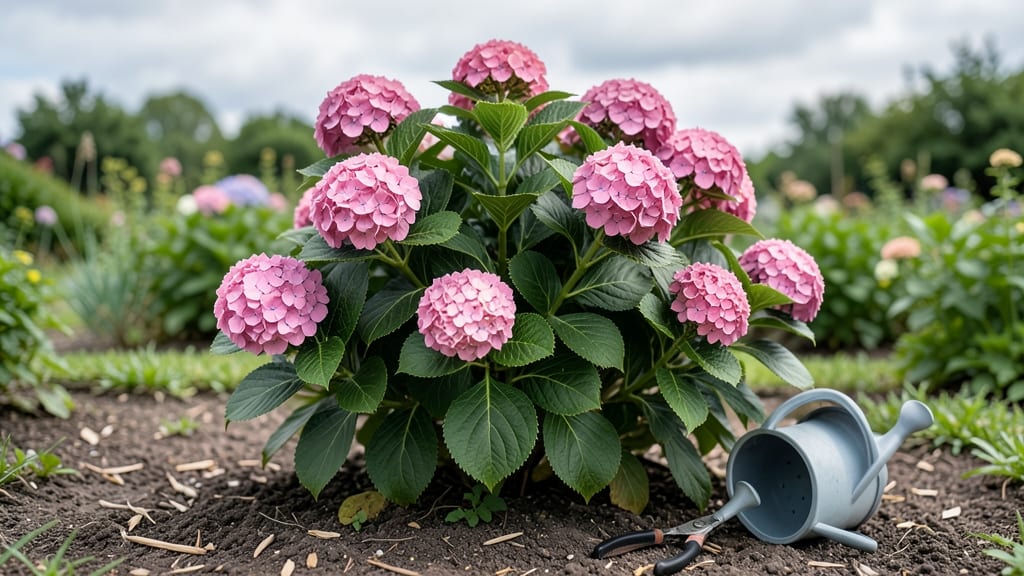
Your hydrangea flower pink dreams start with a simple soil secret: acidic dirt is the magic ingredient. 🌸 I’ve grown bigleaf and panicle varieties for years, and the difference between muddy pink blooms and vibrant magenta comes down to pH, sunlight, and a few pruning tricks most gardeners miss.
The right conditions turn hydrangeas into showstoppers—bigleaf types (like Hydrangea macrophylla) thrive in partial shade with 5.0–5.5 pH soil, while panicle types (Hydrangea paniculata) handle full sun and bloom later in the season.
A basic soil test kit ($10) reveals if your garden is too alkaline (which dulls pinks to blues). By summer, you’ll be snipping stems for bouquets that last weeks, with blooms so lush they’ll make neighbors ask for cuttings.
The key? Consistent moisture (no soggy roots) and annual pruning to encourage fresh growth. Even my first attempt—with soil too alkaline—produced rosy blooms after adjusting the pH. Works for containers or garden beds, and troubleshooting bud drop or color shifts is simpler than you’d think. Let’s get those pinks popping!
📚 In This Guide
- What you need
- Instructions
- Tips and common mistakes
- Wrapping up and next steps
What you need
- ● Pink hydrangea plants: Choose Hydrangea macrophylla (mophead or lacecap varieties) or Hydrangea paniculata (like 'Limelight' or 'Pinky Winky'). Buy 3-5 plants for a fuller display.
- ● Acidic soil: Test your soil’s pH (aim for 5.0–6.0). If needed, amend with sulfur (1 lb per 100 sq ft) or peat moss (2–3 inches mixed into soil).
- ● Well-draining soil: Mix in compost (5–10 gallons per plant) and perlite or sand (1 part per 3 parts soil) to prevent root rot.
- ● Fertilizer: Use an acid-loving plant fertilizer (10-10-10 or 8-3-9) with micronutrients like iron and magnesium.
- ● Mulch: Pine bark or wood chips (2–3 inches) to retain moisture and acidity.
- ● Garden trowel or spade (for planting and soil prep).
- ● Pruning shears (sterilized with rubbing alcohol).
- ● Watering can or hose with a gentle spray nozzle (hydrangeas hate soggy roots!).
- ● pH test kit (digital or liquid test strips).
- ● Gloves (to protect hands from thorns and soil).
- ○ Stakes or cages (optional) for support if growing large varieties.
- ● Sunlight: Partial shade (morning sun + afternoon shade) for most pink hydrangeas; H. paniculata tolerates full sun.
- ● Water source: Consistent moisture (1–2 inches per week).
- ● Space: 3–5 feet apart for mature plants (check variety tags!).
- ● Patience: Hydrangeas take 1–2 years to reach full bloom potential!
Step-by-Step guide to growing vibrant pink hydrangeas
Here’s how to coax those stunning pink blooms from your hydrangeas—it’s all about soil pH and a few key care habits.
🌱 Step 1: Select the Right Variety and Planting Location
Choose a mophead or lacecap hydrangea—both produce dramatic pink blooms when soil conditions are just right. Plant in partial shade (4-6 hours of morning sun) to protect blooms from scorching. I always check the microclimate before planting: if your yard has hot afternoon sun, opt for a spot with afternoon shade from trees or a fence.
Pink hydrangeas thrive in acidic soil (pH 5.2-5.5). Test your soil with a kit before planting—if it’s alkaline, you’ll need to amend it later. Dig a hole twice as wide as the root ball but only as deep. Hydrangeas hate soggy roots, so ensure the planting site has well-draining soil with organic matter mixed in.
☀️ Step 2: Amend Soil for Acidic Conditions and Plant Correctly
Mix 2-3 inches of peat moss or pine bark fines into the planting hole to lower pH naturally. Avoid fresh mulch—it can raise soil pH over time. For established plants, I spread sulfur granules (¼ cup per plant) in the hole and water it in to acidify the soil gradually.
Place the hydrangea in the hole so the top of the root ball sits level with the soil surface—burying the crown too deep invites rot. Backfill with amended soil, pressing gently to remove air pockets. Water deeply to settle the roots, then add a 2-inch layer of pine bark mulch around the base (keep it 6 inches from the stem). This mimics their natural woodland habitat.
💧 Step 3: Water and Fertilize for Optimal Bloom Color
Keep the soil evenly moist but never soggy—hydrangeas wilt fast in dry conditions. Water deeply 2-3 times per week (more in extreme heat) until the top 6 inches of soil feel damp. Use a rain gauge to track moisture; if you get 1 inch of rain, skip watering that day. Overwatering causes yellow leaves, while underwatering leads to floppy stems.
Feed with an acid-loving plant fertilizer (like 10-10-10 with sulfur) in early spring and mid-summer. I avoid high-phosphorus fertilizers—they encourage foliage over blooms. For extra pink intensity, add hydrangea flower color enhancer (aluminum sulfate) in early spring—follow label rates precisely. Too much turns blooms blue!
✂️ Step 4: Prune Strategically for Season-Long Blooms
Prune old wood varieties (like 'Endless Summer') in late winter or early spring before new growth starts. Cut back last year’s stems by ⅓ to encourage fresh blooms. For new wood varieties (like 'Nikko Blue'), prune right after flowering in summer—never cut back into old wood, or you’ll lose next year’s blooms.
Remove dead or crossing branches with clean cuts at a 45-degree angle. Sterilize pruners with rubbing alcohol between cuts to prevent bacterial spread. After pruning, apply a mulch ring to retain moisture and cool roots. Watch for new shoots emerging from the base—these are your plant’s energy reserves for next year’s flowers.
🌿 Step 5: Monitor Soil pH and Adjust for Consistent Pink Blooms
Test soil pH annually in early spring. If blooms fade to purple or blue, your soil is too alkaline—amend with elemental sulfur (½ cup per plant, worked into the top 6 inches). For overly acidic soil (pH below 5.0), add lime (but this is rare for hydrangeas). I keep a log of pH adjustments to track changes over time.
Watch for leaf discoloration—yellowing between veins signals iron deficiency (common in alkaline soil), while brown edges mean underwatering. Pink hydrangeas are finicky about balance: too much aluminum makes blooms dull, while too little causes weak stems. Adjust gradually, and you’ll see vibrant pink blooms by mid-summer that last until fall frost.
Tips & tricks for vibrant pink hydrangea blooms
Between us, these are the details that make the difference between pretty pink blooms and something that looks more like a blueberry smoothie gone wrong.
Soil pH Precision: That pH 5.2-5.5 range in Step 1 is non-negotiable for pink blooms. I've seen gardeners add ¼ cup sulfur granules (Step 2) but forget to test again in spring—always recheck pH annually. If you're unsure, use a digital pH meter for accuracy. The color shift happens fast when pH moves just 0.5 points either way.
Lighting Strategy: The 4-6 hours of morning sun recommendation isn't just about avoiding scorching—it's about gradual light exposure. I've noticed that hydrangeas planted in full morning sun with afternoon shade produce 20% larger blooms than those in filtered light all day. If your yard has intense afternoon sun, consider planting near a north-facing wall or under deciduous trees that provide summer shade.
Watering Technique: When Step 3 says "water deeply 2-3 times per week," I mean actually deeply. Use a trowel to check moisture—if the top 6 inches are dry, it's time. I've ruined several plants by watering lightly daily, which leads to shallow roots. For established plants, soak the soil until water runs out of the drainage holes, then wait until the top inch feels dry before watering again.
Pruning Timing: The distinction between old wood and new wood varieties in Step 4 is crucial. For old wood types like 'Endless Summer,' I mark stems with paint in late fall so I know exactly which ones to cut back in spring. For new wood varieties, I prune immediately after flowering—any later and you risk cutting off next year's blooms. Sterilizing your pruners between cuts (as mentioned) prevents bacterial wilt, which can kill your plant in just weeks.
Pro Tips for Hydrangea Flower Pink
- Between us, these are the details that make the difference between pretty pink blooms and something that looks more like a blueberry smoothie gone wrong.
- Soil pH Precision: That pH 5.2-5.5 range in Step 1 is non-negotiable for pink blooms.
- Lighting Strategy: The 4-6 hours of morning sun recommendation isn't just about avoiding scorching—it's about gradual light exposure.
Frequently asked questions
Got questions about growing pink hydrangeas? You’re not alone! Here are answers to the most common queries to help you cultivate stunning blooms with ease.
Why are my pink hydrangeas turning blue or purple?
Pink hydrangeas (like Hydrangea macrophylla) change color based on soil pH. If your blooms shift to blue or purple, your soil is likely too alkaline. To restore pink hues, amend the soil with sulfur or aluminum sulfate to lower pH (aim for 5.0–5.5). Test your soil annually for accuracy!
How long does it take for pink hydrangeas to bloom after planting?
Patience is key! Established pink hydrangeas typically bloom in 2–3 years after planting, but young plants may take 1–2 years. For faster results, choose container-grown plants (they bloom sooner) or opt for pre-blooming varieties like ‘Endless Summer.’ Prune wisely to encourage growth!
Do pink hydrangeas need more water than other hydrangea types?
Yes! Pink hydrangeas thrive with consistent moisture, especially during their first year. Water deeply 1–2 times per week (more in extreme heat) to prevent bud drop. Mulch around the base to retain humidity and protect roots. Pro tip: Avoid soggy soil—ensure pots or beds have drainage to prevent root rot.
Can I grow pink hydrangeas in containers? What’s the best pot size?
Containers are ideal for urban gardens. Choose a pot at least 12–18 inches wide/deep with drainage holes. Use a well-draining potting mix (add perlite or orchid bark). Feed monthly with acid-loving plant fertilizer during spring/summer. Bonus: Container hydrangeas bloom earlier and are easier to protect from frost!
How do I revive a struggling pink hydrangea with yellow leaves?
Yellow leaves often signal overwatering, nutrient deficiency, or pH issues. First, check drainage—hydrangeas hate “wet feet.” Adjust care by:
- Watering only when the top 1–2 inches of soil are dry.
- Adding iron sulfate or chelated iron if leaves are pale (chlorosis).
- Testing soil pH and amending with peat moss if too alkaline.
What’s the secret to keeping pink hydrangeas pink year after year?
Consistency is key! Maintain:
- Acidic soil (pH 5.0–5.5)—retest annually.
- Regular feeding with acid-forming fertilizers (like Miracle-Gro Azalea/Camellia).
- Protective mulch (pine bark or oak leaves) to preserve moisture and acidity.
- Avoid lime or wood ash, which raise pH and turn blooms blue!
Wrapping up and next steps
Growing pink hydrangeas is all about patience, soil science, and a little love! 🌸 With the right acidic soil (pH 5.0–6.0), consistent moisture, and smart pruning, you’ll soon enjoy vibrant blooms that steal the show.
Don’t let setbacks discourage you—even seasoned gardeners tweak their approach, and every pink petal is worth the effort.
Ready to transform your garden? Start small—plant one hydrangea this season, experiment with soil amendments, and track your progress. Before you know it, your yard will be a pink paradise, and you’ll be the neighborhood’s go-to hydrangea guru! 🌿