
Flowers
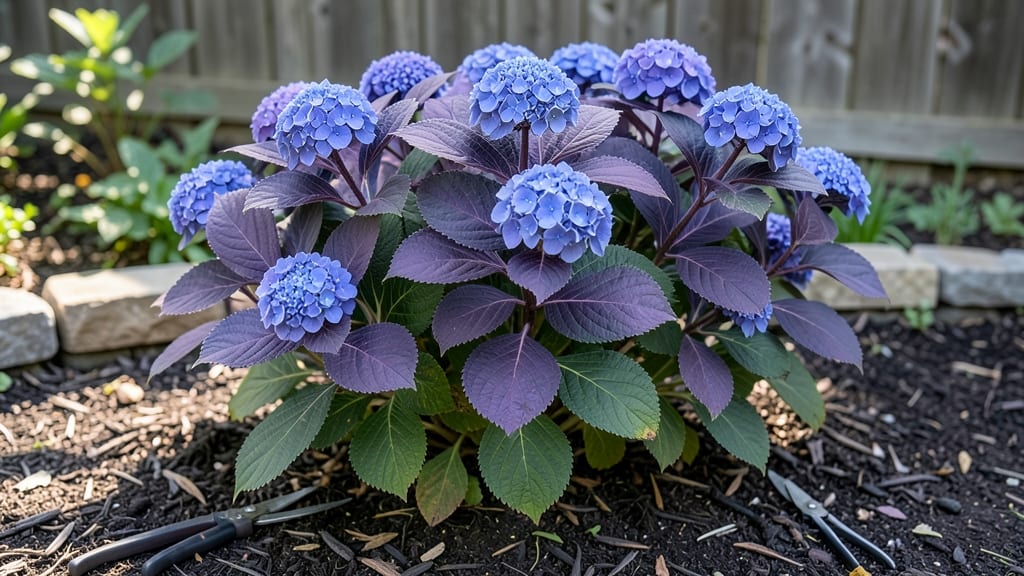
Growing purple-leaved hydrangeas transforms any garden into a year-round showstopper with their bold foliage and dramatic blooms. 🌿 I learned the hard way that these beauties need the right balance of sun, soil, and water—or they’ll sulk with dull leaves and sparse flowers. The good news?
Once you nail their preferences, they practically grow themselves with minimal pruning. These varieties thrive in partial shade (morning sun, afternoon shade) where their leaves stay vibrant purple all season. Too much direct sun fades them to green, while too little shade weakens blooms.
Amend your soil with compost—they love rich, moist conditions—and water consistently to keep those leaves lush and those flower clusters plump. By late summer, you’ll be rewarded with clusters of white, pink, or purple blooms that last weeks, even after the leaves fade. The best part?
Their foliage stays striking in winter, adding texture to bare branches. Prune just once a year (after blooming) to keep them tidy and encourage next year’s flowers. Whether you’re planting 'Nikko Blue,' 'Limelight,' or 'Oakleaf,' these hydrangeas adapt to containers or garden beds.
Here’s how to keep them thriving—no green thumb required!
📚 In This Guide
- What you need
- Instructions
- Tips and common mistakes
- Wrapping up and next steps
What you need
- ● Purple-leaved hydrangea plants: 1–3 Hydrangea macrophylla or Hydrangea paniculata varieties (e.g., 'Nikko Blue,' 'Endless Summer,' or 'Limelight'). Choose nursery-grown plants (2–3 years old) for faster results.
- ● Well-draining soil: 10–20 lbs of organic compost or peat moss (per plant) to enrich soil.
- ● 1–2 lbs of slow-release fertilizer (10-10-10 or acidic blend for hydrangeas).
- ● Planting location: Spot with partial shade (4–6 hours of sunlight daily). Avoid harsh afternoon sun.
- ● Space 3–5 feet apart (check variety tags for exact spacing).
- ● Watering tools: 5-gallon watering can or soaker hose (to keep soil consistently moist).
- ● Garden tools: Trowel or hand shovel (for transplanting).
- ● Pruning shears (sterilized with rubbing alcohol).
- ● Garden gloves (to protect against thorns).
- ● Mulch: 2–3 inches of pine bark or shredded leaves (retains moisture and acidifies soil).
- ○ pH testing kit: Optional but helpful! Hydrangeas thrive in acidic soil (pH 5.5–6.2). Test kits cost ~$10 and include lime or aluminum sulfate for adjustments.
- ● Containers (if growing in pots): 1–2 15–20 gallon pots with drainage holes (terracotta or fabric grow bags).
How to grow purple-leaved hydrangeas with vibrant color all season
Here's the simple approach I use to keep my purple hydrangeas looking lush and striking with almost no extra work.
🌱 Step 1: Pick the Perfect Planting Spot
Purple-leaved hydrangeas need partial shade—think dappled sunlight or morning sun with afternoon shade. I plant mine where they get 4-6 hours of sun daily but avoid harsh afternoon rays that can bleach the foliage. A north- or east-facing spot works best in hot climates, while west-facing spots suit cooler regions.
Check the soil pH with a test kit—purple hydrangeas love acidic soil (pH 5.5-6.2). If your soil tests higher, mix in 2-3 pounds of sulfur per 100 square feet and retest in 2-3 months. The deeper the purple hue, the more acidic your soil is—aim for that rich burgundy color.
🪴 Step 2: Plant at the Right Depth and Spacing
Dig a hole twice as wide as the root ball but only as deep—planting too deep suffocates the roots. Loosen the roots gently if they're circling in the pot, then place the plant so the top of the root ball sits 1 inch below soil level. This prevents the stem from rotting while keeping the plant stable.
Space plants 4-6 feet apart for full, bushy growth. I always add 3-5 pounds of compost to the bottom of the hole and mix it with the native soil. Backfill with the amended soil, pressing lightly to remove air pockets. Water deeply right after planting—this settles the soil and removes bubbles around the roots.
☀️ Step 3: Water Consistently Without Overdoing It
Keep the soil evenly moist but not soggy—hydrangeas wilt fast when thirsty but hate sitting in wet soil. Water 1-2 times per week, adjusting for rain. The best test? Stick your finger 2 inches deep—if it feels dry, water; if damp, wait. Mulch with 2-3 inches of shredded bark to retain moisture and protect roots from temperature swings.
Yellow leaves usually mean overwatering or poor drainage. If you see this, cut back on watering and check for drainage issues. Purple hydrangeas are drought-tolerant once established, but young plants need steady moisture to root well. A soaker hose makes this easy—just run it for 20-30 minutes every 3 days during dry spells.
✂️ Step 4: Prune for Color and Shape (When to Cut)
Prune in late winter or early spring before new growth starts. Remove 1/3 of the oldest stems at the base to encourage fresh, vibrant growth. Cut just above a leaf node or bud—this is where new shoots will emerge. Avoid heavy pruning in fall, as it reduces winter hardiness.
Deadhead faded blooms in summer to keep the plant focused on foliage color. I snip spent flowers with clean pruners, cutting back to the nearest set of leaves. Never prune into old wood—you'll lose next year's blooms. The key is light pruning year-round to maintain shape and color without stressing the plant.
🌿 Step 5: Feed for Deep Purple Foliage
Use a balanced fertilizer (10-10-10) in early spring, applying 1/2 cup per plant. Purple hydrangeas don’t need heavy feeding—they thrive on organic matter. I mix 1 cup of compost into the soil around each plant in spring and again in fall. Avoid high-nitrogen fertilizers, which encourage leafy growth at the expense of color.
For extra vibrancy, add 1 tablespoon of iron sulfate to the soil in spring if leaves look pale. The deeper the purple, the happier your plant. I also spray leaves with a diluted seaweed solution (1 tablespoon per gallon of water) every 4 weeks to boost natural color and resilience.
Tips & tricks for vibrant purple-leaved hydrangeas
These simple strategies will help you achieve that show-stopping purple color without the guesswork.
Sunlight Strategy: The 4-6 hours of sunlight mentioned in Step 1 is perfect, but here's the thing: morning sun is your best friend. Position your hydrangeas where they get gentle morning rays and afternoon shade. I've seen plants in full afternoon sun lose their rich purple color within weeks—it's like watching paint fade in direct sunlight. If you notice leaves turning greenish, move your plant to a shadier spot immediately.
Soil pH Secret: That pH test in Step 1 is non-negotiable. I learned this the hard way—my first purple hydrangea turned a sad, dull lavender because my soil was too alkaline. The 2-3 pounds of sulfur per 100 square feet is exactly right, but here's what nobody tells you: mix that sulfur into the top 6 inches of soil, not just sprinkle it on top. The roots need consistent access to that acidity. And yes, it takes 2-3 months to show results—patience pays off with that deep burgundy color.
Watering Wisdom: The finger test in Step 3 is brilliant, but I've found that timing matters just as much. Water in the early morning so leaves have all day to dry—this prevents fungal issues that can dull those gorgeous purple leaves. And that 20-30 minutes with a soaker hose? Use it in the driest part of your yard first. Hydrangeas in containers need even more frequent watering—check them daily during heatwaves.
Pruning Precision: When you're removing that 1/3 of oldest stems in Step 4, look for stems that are thicker than your thumb—they're the ones that won't regrow well. Cut just above a leaf node that faces outward from the center of the plant. This creates that beautiful rounded shape while encouraging new growth. And that light pruning year-round? It's about maintenance, not drastic changes. Think of it like trimming your hair—small adjustments keep everything looking fresh.
Pro Tips for Purple Leaved Hydrangea
- These simple strategies will help you achieve that show-stopping purple color without the guesswork.
- Sunlight Strategy: The 4-6 hours of sunlight mentioned in Step 1 is perfect, but here's the thing: morning sun is your best friend.
- Soil pH Secret: That pH test in Step 1 is non-negotiable.
Frequently asked questions
Got questions about your purple-leaved hydrangea? You’re not alone! Here are answers to the most common curiosities—from care tips to troubleshooting—so you can keep those stunning foliage blooms thriving all season.
How do I keep my purple-leaved hydrangea blooming all year?
Purple-leaved hydrangeas (like Hydrangea macrophylla varieties) focus on foliage color, not just flowers. For continuous blooms, prune lightly in late winter or early spring to shape the plant and remove dead stems. Avoid heavy pruning—it can reduce next year’s flowers. Deadhead spent blooms in summer to encourage more flowers.
Can purple-leaved hydrangeas survive winter?
Yes! These hydrangeas are hardy in USDA Zones 5-9, but young plants or harsh winters may need protection. Mulch the base with 3-4 inches of organic mulch (like shredded bark) after the first frost. For extra safety, wrap the plant in burlap or use a frost blanket in cold climates.
Why are my purple leaves turning green?
Green leaves on a purple-leaved hydrangea usually mean too much sunlight or over-fertilizing with nitrogen. These plants thrive in partial shade (4-6 hours of sun daily). Move it to a shadier spot or reduce fertilizer use. If the color fades slowly, it’s likely natural stress—just monitor and adjust care.
How often should I water purple-leaved hydrangeas?
Keep the soil consistently moist but not soggy. Water deeply 1-2 times per week, depending on your climate (more in heat, less in rain). Mulch helps retain moisture. Avoid letting the soil dry out completely, as this can cause leaf scorch or bud drop.
What are some great alternatives if I love purple foliage?
If you’re hunting for more purple-leaved plants, try these stunning options:
- Purple Smoke Bush (Cotinus coggygria): Silvery-purple foliage with feathery plumes.
- Heuchera (Heuchera spp.): Coral bells with deep purple, silver, or black leaves.
- Japanese Maple (Acer palmatum): Varieties like ‘Bloodgood’ have rich purple-red foliage.
- Sweet Potato Vine (Ipomoea batatas): Fast-growing trailing plant with vibrant purple leaves.
Wrapping up and next steps
Ready to add year-round drama to your garden with purple-leaved hydrangeas? These stunning shrubs are easier to care for than you think—just pick the right spot, feed them love (and occasional pruning), and watch them thrive!
Whether you’re a beginner or a seasoned gardener, their bold foliage and long-lasting blooms will reward your efforts with minimal fuss.
Now that you’re armed with tips, take the next step! Grab your gloves, pick a sunny (or partially shaded) corner, and plant your purple-leaved hydrangea this weekend. Your garden’s new star is waiting—let’s make it shine! 🌸✨