
Planting
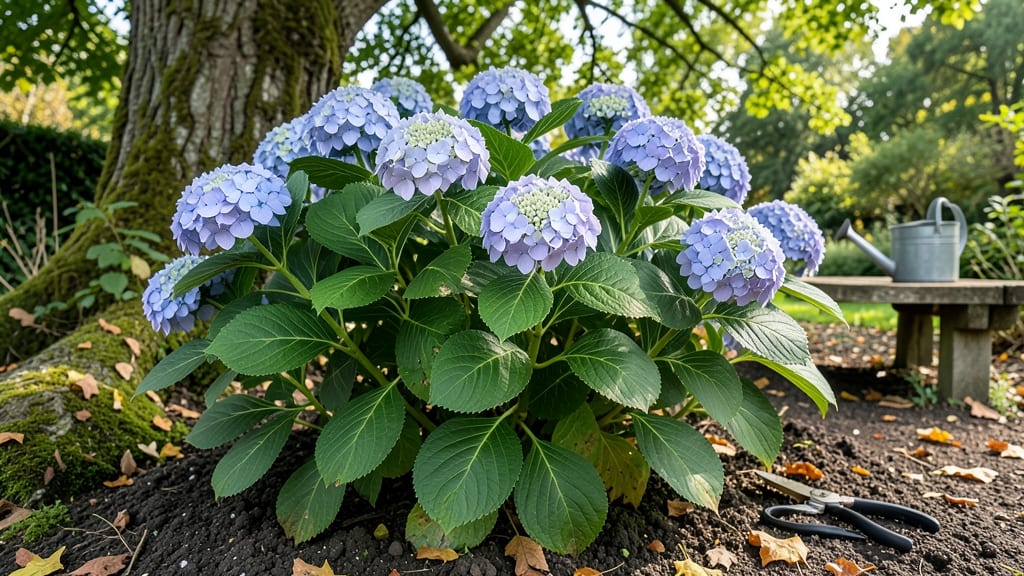
Shade hydrangeas in Zone 5 grow best with cold-resistant varieties like Oakleaf Hydrangea or Limelight Hydrangea, which survive -20°F temperatures and partial shade while delivering vibrant blooms.
Zone 5 gardeners can successfully grow shade hydrangeas by choosing the right species—those with thick stems and dark foliage handle winter best. 🌿 The key is selecting varieties that naturally thrive in cooler climates, as they're less likely to suffer from winter dieback.
I've found that Oakleaf hydrangeas, with their burgundy fall foliage, are particularly resilient, while Limelight varieties offer striking white blooms that stand out against shaded backdrops.
Proper planting techniques make all the difference in Zone 5. Planting too deep can suffocate roots, while insufficient mulch leaves them vulnerable to freeze-thaw cycles. A 3-inch layer of mulch in late fall, combined with wrapping young plants in burlap, creates a protective barrier against harsh winds and temperature swings.
💡 In This Article
- Best Cold-Hardy Shade Hydrangea Varieties for Zone 5
- Zone 5 Planting and Winter Care Tips for Shade Hydrangeas
Best cold-hardy shade hydrangea varieties for Zone 5
When selecting shade hydrangeas for Zone 5, focus on varieties that naturally thrive in cooler climates. Oakleaf Hydrangea (Hydrangea quercifolia) stands out with its ability to tolerate temperatures down to -20°F while offering stunning burgundy fall foliage.
Its large, oak-shaped leaves provide year-round interest, and the fragrant white summer blooms transition to pinkish hues as they age. 🌿 What sets it apart is its thick, woody stems that resist winter damage better than other types.
The Limelight Hydrangea (Hydrangea paniculata 'Limelight') is another excellent choice, surviving -20°F temperatures with ease. Unlike mophead varieties, Limelight produces cone-shaped blooms that change from lime green to creamy white over the season.
These blooms appear on new growth, making them less vulnerable to late spring frosts. The plant's upright habit also allows for better air circulation, reducing fungal diseases common in humid Zone 5 summers.
For gardeners wanting reliable blooms, Endless Summer Hydrangea (Hydrangea macrophylla) offers reblooming capabilities, though its cold tolerance tops out around -10°F. To push its limits in Zone 5, plant it against a south-facing wall where reflected sunlight creates a 5-10°F warmer microclimate during winter.
The trade-off is slightly smaller blooms compared to Oakleaf or Limelight, but the extended flowering season makes it worthwhile for many gardeners.
Consider these key factors when choosing: Oakleaf excels in fall color and fragrance, Limelight offers long-lasting blooms and disease resistance, while Endless Summer provides reblooming potential at the cost of slightly less cold hardiness.
Each variety's unique characteristics mean you can tailor your selection to specific garden needs, whether prioritizing winter survival or seasonal interest.
The science behind their cold resistance lies in their native habitats. Oakleaf and Limelight originate from regions with hot summers and cold winters, similar to Zone 5 conditions. Their thick bark and deep root systems store energy during winter dormancy, allowing them to rebound quickly in spring.
This natural adaptation is why they consistently outperform tropical hydrangea varieties in colder climates.
For visual impact, plant Limelight varieties in sun-dappled areas where their upright form creates vertical interest, while Oakleaf thrives in partial shade with dappled sunlight filtering through trees.
Both will reward you with 3-4 feet of height and 4-5 feet of spread, making them perfect for foundation plantings or mixed borders in Zone 5 gardens.