
Shrubs
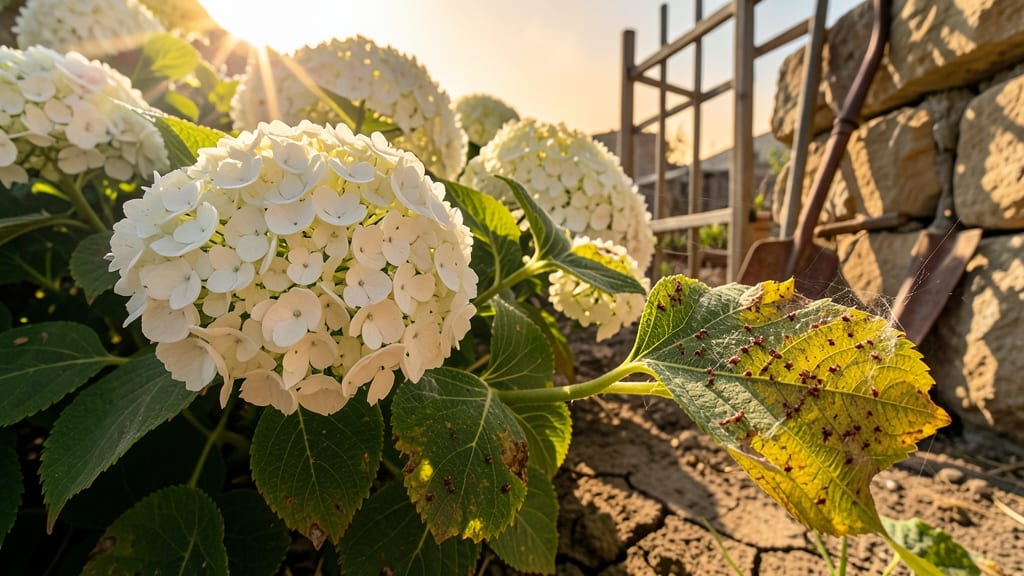
Struggling to keep your snowball hydrangeas blooming beautifully in partial sun or shade? These 10 varieties and care strategies ensure lush, long-lasting flowers—even in tricky light conditions—while boosting growth and resilience year after year.
Annabelle Hydrangea for Full Sun Tolerance
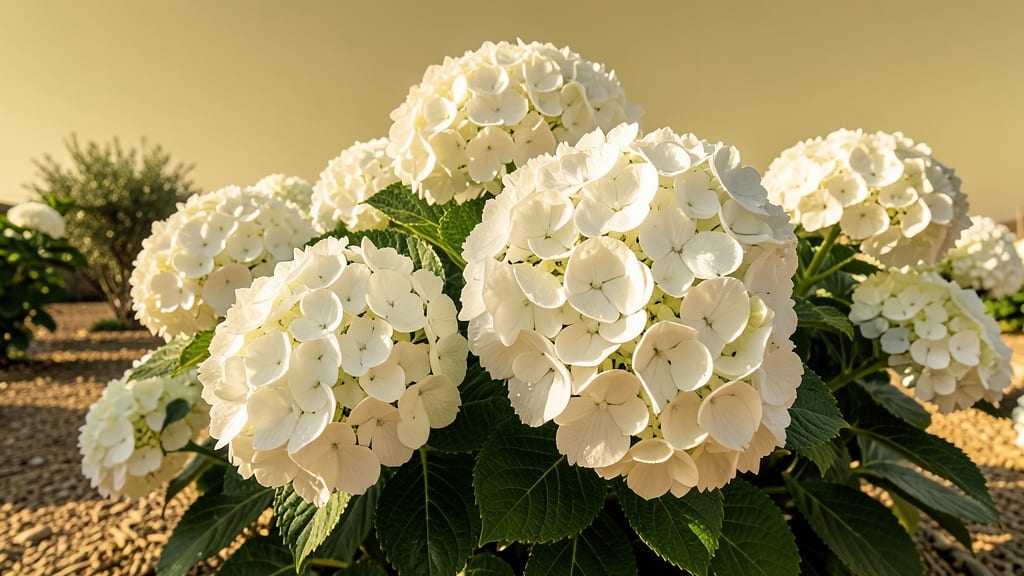
If your garden gets 6+ hours of blazing sun and you’ve struggled with hydrangeas wilting, the Annabelle hydrangea is your game-changer. Unlike its shade-loving cousins, this variety thrives under full sun while keeping its signature voluminous white blooms—making it perfect for hot climates or south-facing beds.
To keep it happy, water deeply 2-3 times per week during peak summer heat, and mulch with 2-3 inches of organic material to retain moisture. Prune in late winter or early spring before new growth appears, cutting back stems by about one-third to encourage bushier, more abundant blooms. The secret to its sun tolerance? Its thick, waxy leaves that reduce water loss.
This variety is ideal for gardeners in USDA zones 3-9 who want drama without compromise. Whether you’re filling a hot, dry border or adding height to a sunny patio, Annabelle delivers year-round interest with its bold blooms and sturdy structure. 🌻
Grandiflora Hydrangea for Partial Shade Adaptability
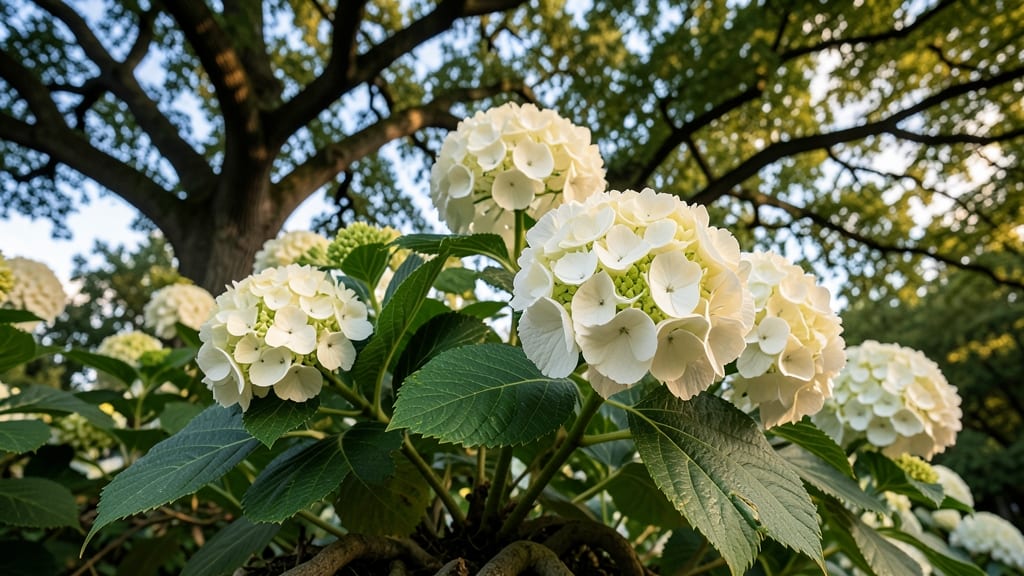
If your garden gets filtered sunlight or dappled shade—like under tall trees or on a city balcony—the Grandiflora hydrangea is your secret weapon for showstopping blooms. Unlike sun-loving varieties, this hydrangea thrives where others struggle, producing oversized white flowers that can reach 8 inches across.
This variety excels in morning sun with afternoon shade, making it perfect for urban spaces where direct afternoon rays would scorch leaves. Keep the soil consistently moist but well-draining, and feed with a balanced fertilizer in early spring. Prune lightly after flowering to maintain shape and encourage next year’s blooms.
Urban gardeners and balcony growers will love how this hydrangea adapts to container life while delivering dramatic color—no full sun required! 🌿
Endless Summer Hydrangea for Low-Light Gardens
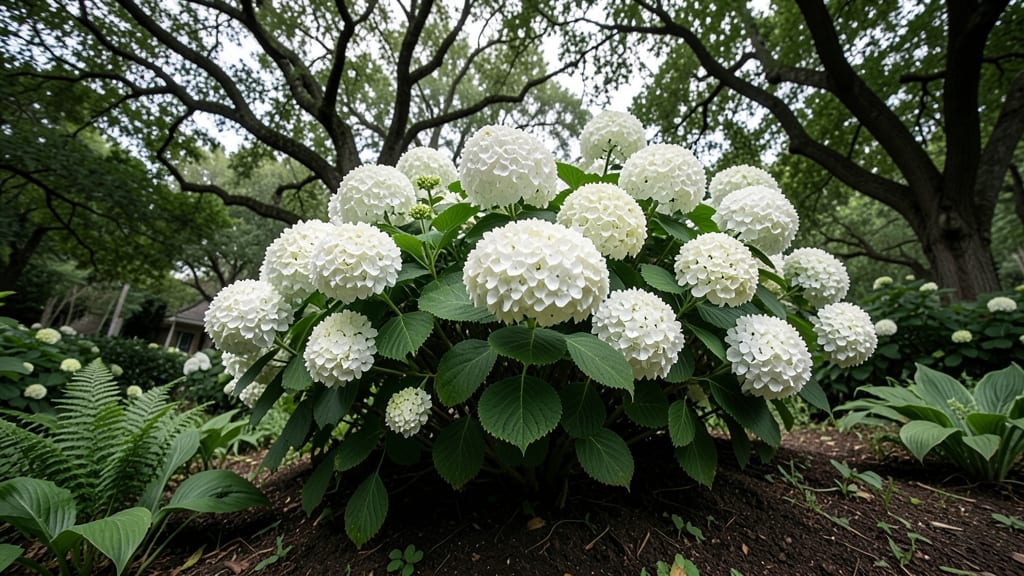
Tired of hydrangeas that refuse to bloom in your shady yard? The Endless Summer variety is the solution—this reblooming powerhouse thrives in deep shade, producing continuous flowers from spring to frost without needing a single ray of direct sunlight.
Unlike other hydrangeas that struggle in low-light areas, this variety blooms on both old and new wood, ensuring year-round color even under large trees or in north-facing gardens. For best results, plant in moist, well-draining soil enriched with organic matter, and prune lightly in late winter to encourage fresh growth. It’s the perfect choice for gardeners with limited sunlight who still want a showstopping display. 🌿
Pruning Techniques for Sun-Exposed Hydrangeas
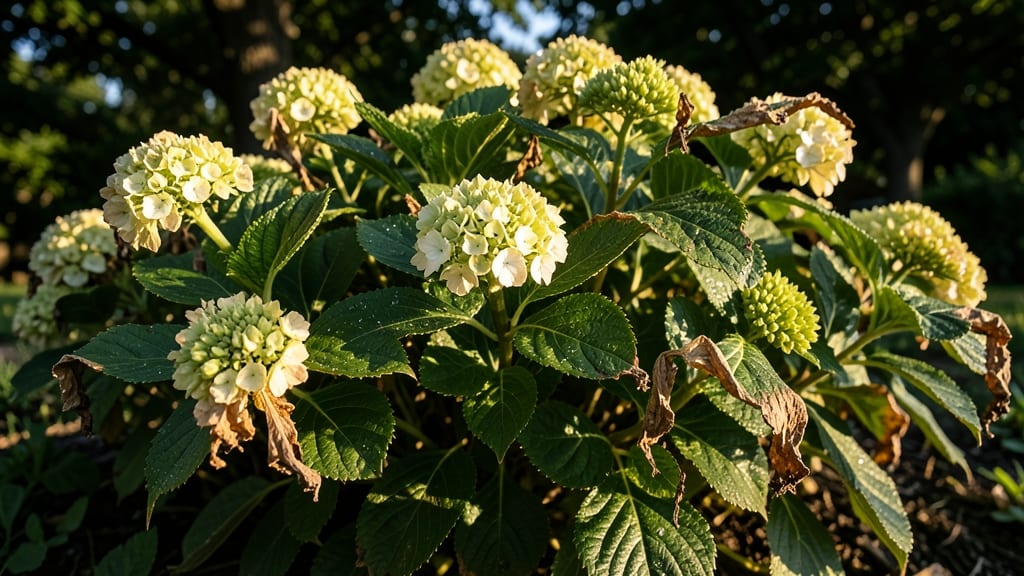
Sunlight can turn your snowball hydrangea into a crispy disaster if you don’t prune strategically. Unlike shade-dwelling varieties, sun-exposed hydrangeas need early spring pruning to remove dead stems and thin out crowded growth—this prevents leaf scorch from intense afternoon rays while keeping blooms lush.
Start pruning in late winter to early spring (before new growth appears) using clean, sharp shears. Cut back last year’s stems to just above the first set of healthy buds, and remove any crossing or weak branches. For maximum bloom size, avoid heavy pruning in summer—this stresses the plant when it’s already battling heat. Water deeply after pruning to help recovery.
This method works best for gardeners in hot climates or south-facing beds where afternoon sun can fry foliage. With the right timing, your hydrangea will reward you with bigger, healthier blooms all season. 🌟
Soil Amendments for Shady Hydrangea Growth
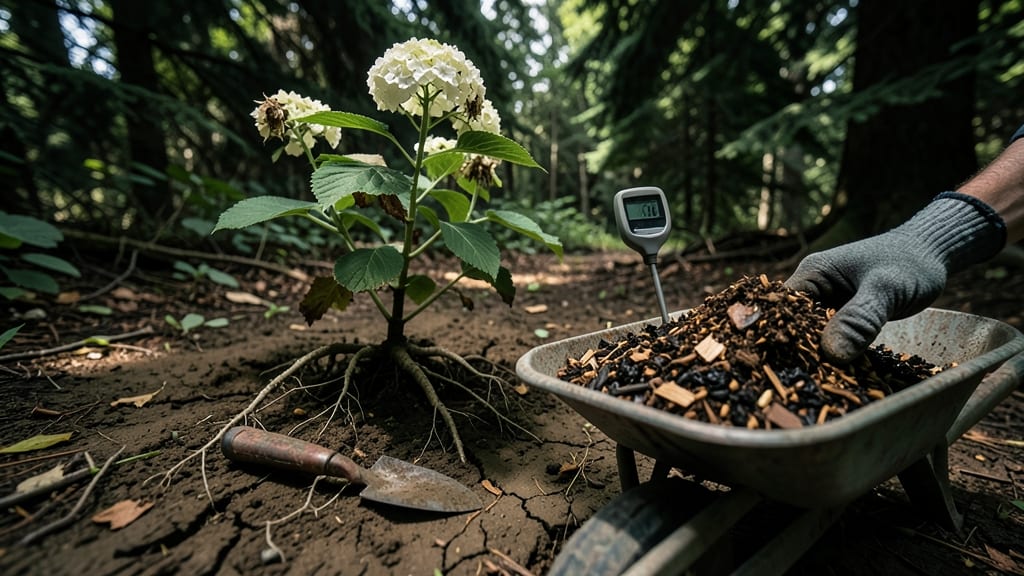
Tired of your snowball hydrangeas producing sparse blooms in shady spots? The secret lies in your soil—amending it with the right organic mix can transform underperforming plants into vibrant, blooming stars. Shade-loving hydrangeas often suffer from poor drainage and nutrient deficiencies, leading to yellowing leaves and weak stems, but a few simple soil tweaks can reverse these issues.
Start by mixing compost (for nutrients) and peat moss or perlite (for drainage) into your existing soil. Aim for a moist but well-draining texture—hydrangeas hate soggy roots. Add a handful of worm castings or aged manure to boost phosphorus, which fuels those iconic blooms. For extra insurance, work in a slow-release organic fertilizer like bone meal in early spring to support root development.
This approach is perfect for gardeners with woodland gardens, north-facing beds, or urban courtyards where sunlight is limited. With the right soil mix, your hydrangeas will reward you with fuller blooms and healthier foliage—no matter how much shade they get. 💚
Mulching Strategies for Year-Round Protection
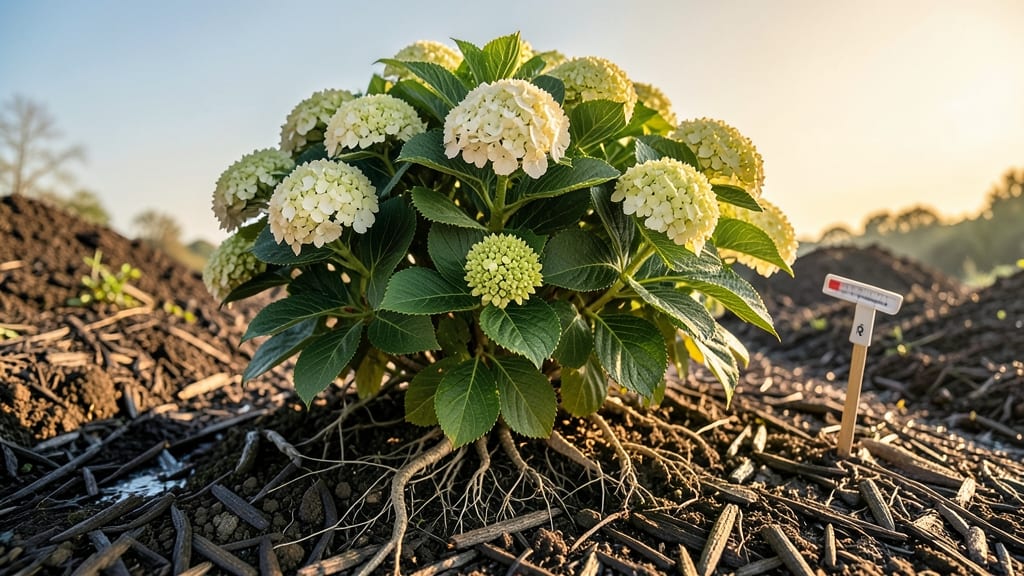
Harsh temperature swings—whether from scorching afternoon sun or chilly morning shade—can leave your snowball hydrangeas struggling with inconsistent moisture and stressed roots. The solution? A smart mulching strategy that acts as a protective buffer year-round, keeping roots cool in summer and insulated in winter.
For sun-exposed hydrangeas, use 3-4 inches of organic mulch like shredded bark or pine straw to shield roots from heat while retaining moisture. In shadier spots, opt for compost or leaf mold to improve soil structure and prevent fungal issues from excess dampness. Apply mulch in early spring after the last frost, keeping it 2-3 inches away from the stem to avoid rot.
This method is especially valuable for gardeners in transitional climates or urban areas where microclimates create unpredictable growing conditions. With the right mulch, your hydrangeas will focus energy on blooming instead of surviving. 💚
Drought-Resistant Varieties for Sunny Locations
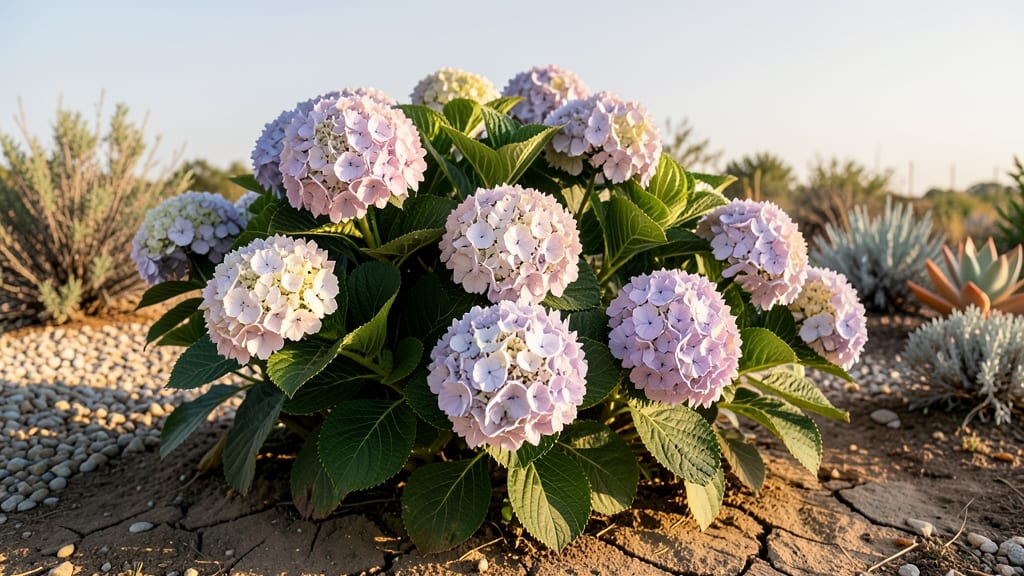
If you're dreaming of a low-maintenance, water-wise garden but love the look of hydrangeas, these drought-tolerant varieties are your secret weapon. Unlike traditional snowball hydrangeas that wilt under heat, these tough beauties thrive in sunny, dry conditions while still delivering stunning blooms—perfect for xeriscaping or water-restricted areas.
Start with 'Limelight' hydrangea, a compact variety that handles full sun and dry spells with ease, producing vibrant lime-green blooms that mature to soft pink. For classic white flowers, try 'Vanille Fraise'—its thick, waxy leaves retain moisture better, reducing water needs by up to 50%. Both varieties benefit from mulching with gravel or bark to lock in moisture and regulate soil temperature. Plant them in well-draining soil mixed with compost to help roots establish quickly in hot climates.
These varieties are ideal for urban gardeners, desert landscapers, or anyone tired of watering every few days. With minimal care, you’ll enjoy year-round structure and seasonal blooms—no wilting in sight! 🌻
Light Adjustment Hacks for Container Growing
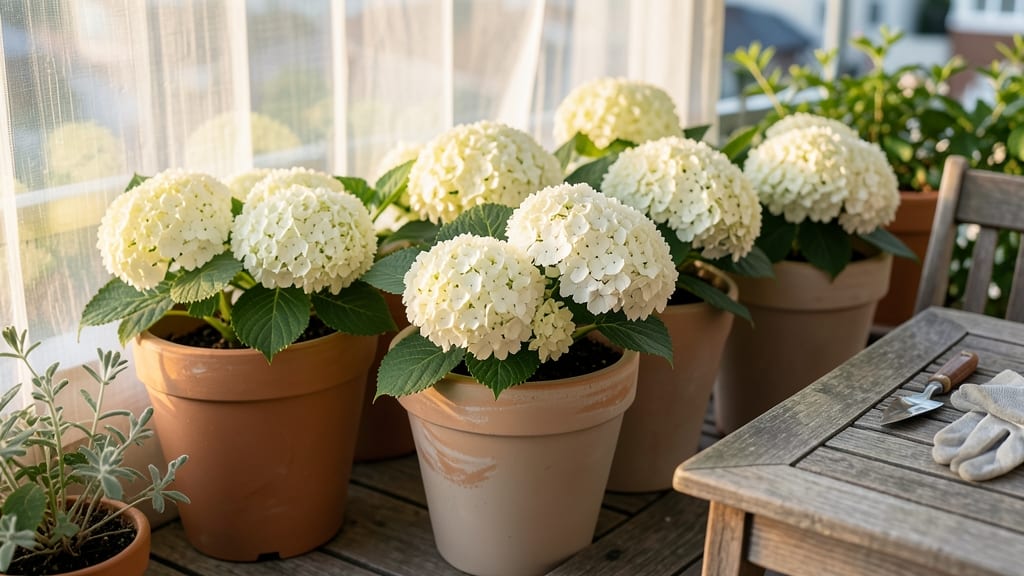
Balcony or patio gardener? Your snowball hydrangea in containers can thrive with just a few light-adjustment tricks. Since morning and afternoon sun create shifting light conditions, simply rotating pots quarter-turns weekly ensures even growth and prevents lopsided blooms.
Choose pots with 18-24 inch diameters—too small restricts root development, while oversized containers dry out faster. Place lighter-colored pots in full sun to reflect heat, and use self-watering containers if your space gets hot afternoon rays. A dappled shade cloth (30-50% coverage) during peak sun hours can also prevent leaf scorch.
These hacks are perfect for urban gardeners with limited space, ensuring your hydrangea gets the right light balance without sacrificing patio aesthetics. 🌻
Fertilizer Schedule for Sun vs. Shade Conditions
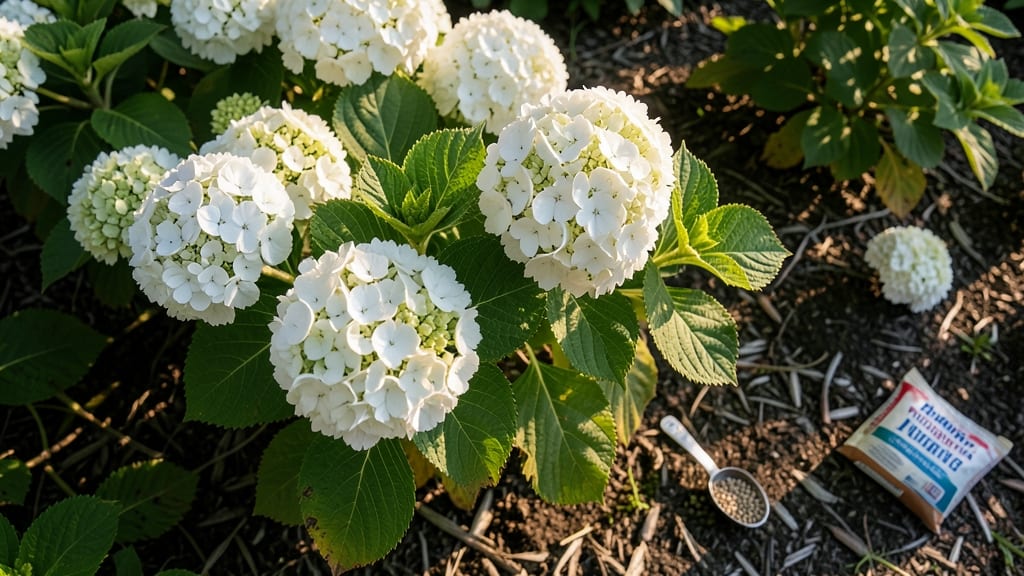
Your snowball hydrangea’s light exposure directly impacts its nutrient needs—too much fertilizer in shade causes floppy stems, while too little in sun stunts those iconic blooms. The key is a customized feeding plan that matches the intensity of sunlight your plant receives.
For sunny spots (6+ hours of light), use a balanced, slow-release fertilizer (like 10-10-10) every 6-8 weeks from spring to early summer. In partial shade (3-6 hours of light), switch to a lower-nitrogen formula (5-10-5) every 8-10 weeks to avoid leggy growth. Shade-loving varieties need even less—once in early spring with compost is often enough. Always water deeply after fertilizing to prevent root burn.
This tailored approach ensures your hydrangea gets the right nutrients without waste, whether it’s basking in full sun or thriving under tree canopies. Perfect for gardeners who want healthy stems and abundant blooms without guesswork. 🌟
Pest Control for Sun-Exposed Hydrangeas

Hot, sunny gardens may look inviting, but they also create the perfect conditions for spider mites and aphids to infest your snowball hydrangeas. These pests thrive in dry, sunny spots, turning vibrant leaves into dusty yellow skeletons if left unchecked—without harsh chemicals, of course.
Start by inspecting leaves daily for fine webbing (spider mites) or sticky residue (aphids). A strong blast of water from your hose removes most pests, while neem oil or insecticidal soap tackle stubborn infestations. For prevention, mulch heavily to retain moisture and attract beneficial predators like ladybugs. Prune affected branches immediately to stop the spread.
Urban gardeners and those in hot climates will appreciate this gentle approach—keeping your hydrangeas lush and pest-free without disrupting local ecosystems. 💚