
Diseases
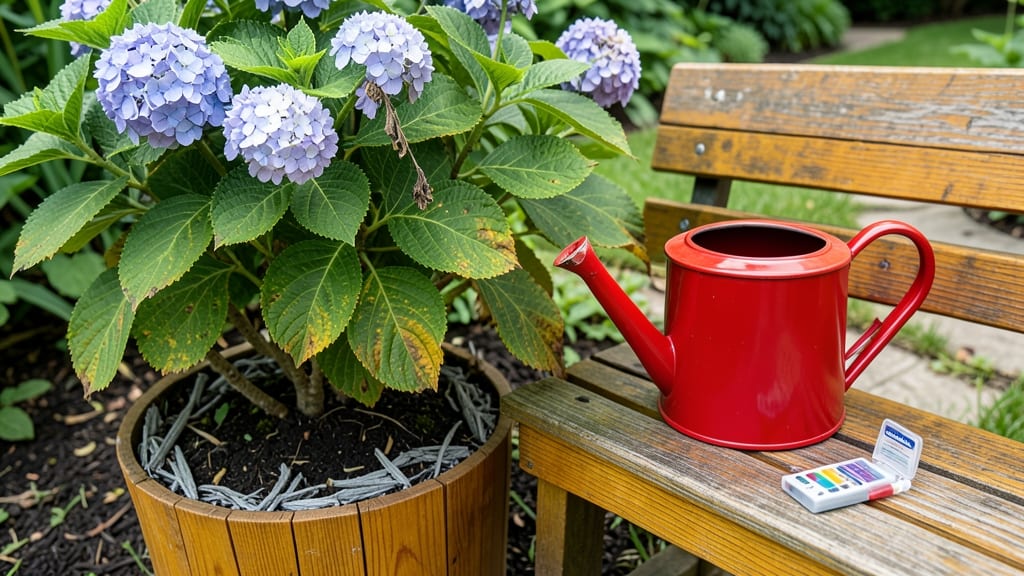
What’s wrong with my hydrangea when it droops or refuses to bloom? The fix is often quicker than you think—here’s how to spot the clues and save it. 🌿 I’ve rescued more hydrangeas than I’ve lost, and the key is noticing: Are the leaves crispy?
Flowers missing? Or is the plant just wilting like a sad houseplant? Each symptom points to a different culprit—from overwatering to hungry pests—and knowing the difference saves you from panic (and wasted money on the wrong solutions). The good news?
Most hydrangea problems fix themselves in 2-4 weeks once you address the root cause. Brown leaves? It’s probably fungal or a thirst issue. No blooms? Pruning might be off, or your plant’s hungry for the right nutrients.
I’ll walk you through the most common red flags and the exact steps to revive your plant—no horticulture degree required. By the end, you’ll spot the early warning signs (like these tiny yellow specks on leaves) and act fast before the problem spreads.
Think of this as your hydrangea’s emergency first aid kit—because once you know what to look for, you’ll never ignore those subtle hints again. Works for bigleaf, panicle, and oakleaf varieties alike. Let’s get your plant back to its bold, blooming best—starting today.
The Root Causes Behind Hydrangea Struggles
Hydrangeas are stunning shrubs that can transform any garden into a lush, colorful paradise—but when they start wilting, developing brown leaves, or refusing to bloom, it’s often a sign that something’s off. Understanding why these issues occur is the first step to saving your plant.
Let’s break down the most common culprits, backed by science, so you can diagnose and fix the problem like a pro.
Hydrangeas thrive in moderate climates (USDA Zones 3–9, depending on the variety) but struggle when temperatures swing too far outside their comfort zone. Here’s how extremes affect them:
- Heat Stress: Prolonged exposure to temperatures above 90°F (32°C) causes leaves to scorch (turn crispy and brown at the edges) due to transpiration stress—the plant loses more water than its roots can absorb. Wilting follows as cells collapse from dehydration.
- Cold Damage: Frost-sensitive varieties (like Hydrangea macrophylla) suffer from freeze-induced cell rupture when temps drop below 20°F (-7°C). Leaves turn black or mushy, and buds may fail to open in spring.
- Sunburn: Too much direct afternoon sun (especially in hot climates) leads to photooxidative damage, where excess UV light breaks down chlorophyll. This causes bleached or white patches on leaves.
💡 Pro Tip: Most hydrangeas prefer morning sun + afternoon shade. If your plant is in a hot, sunny spot, provide 30–50% shade with a sheer curtain or nearby trees. For cold snaps, mulch heavily (3–4 inches of shredded bark) to insulate roots.
Hydrangeas are thirsty plants, but their water needs are often misunderstood. Both drought stress and overwatering can lead to leaf issues and poor blooming:
| Problem | Symptoms | Why It Happens |
|---|---|---|
| Underwatering |
|
The plant’s roots can’t absorb enough water to replace what’s lost through transpiration. Cells plasmolyze (shrink away from cell walls), causing wilting. |
| Overwatering |
|
Too much moisture displaces oxygen in the soil, leading to anaerobic conditions that suffocate roots. Phytophthora and Pythium fungi thrive, causing root rot. |
🎯 Actionable Fix:
- Check soil moisture by sticking your finger 2 inches deep. Water only if it’s dry.
- Use well-draining soil (amend clay soil with perlite or compost).
- Avoid watering at night to reduce fungal risks.
Hydrangeas are pH-sensitive, and their soil health directly impacts leaf color and blooming. Here’s how soil problems manifest:
- Incorrect pH:
- Too acidic (pH < 5.5): Leaves turn yellow with brown spots due to aluminum toxicity (the plant absorbs too much aluminum, blocking nutrient uptake).
- Too alkaline (pH > 6.5): Leaves develop chlorosis (yellowing between veins) because iron and manganese become unavailable to the plant.
💡 Fun Fact: Hydrangea flower color changes with pH! Blue flowers = acidic soil; pink flowers = alkaline soil.
- Nutrient Deficiencies:
- Nitrogen (N) deficiency: Pale green or yellow leaves (especially older ones) due to chlorophyll reduction.
- Potassium (K) deficiency: Brown, crinkled leaf edges (similar to heat stress but with weak stems).
- Magnesium (Mg) deficiency: Interveinal chlorosis (yellowing between veins) starting on older leaves.
- Compacted or Poor Soil: Roots struggle to access water/nutrients, leading to stunted growth and small, sparse blooms.
🔥 Fix It Now:
- Test your soil with a home pH kit (aim for 5.5–6.2 for most hydrangeas). Adjust with lime (to raise pH) or sulfur/peat moss (to lower pH).
- Fertilize in early spring with a balanced 10-10-10 or hydrangea-specific food high in potassium for blooms.
- Improve soil with compost or aged manure to boost organic matter.
Hidden invaders can wreak havoc on hydrangeas without obvious signs until it’s too late. Here’s what to watch for:
| Pest/Disease | Symptoms | Scientific Cause |
|---|---|---|
| Spider Mites |
|
These arachnids pierce cells to feed on sap, causing chlorophyll destruction and cell death. They thrive in dry, hot conditions. |
| Scale Insects |
|