
Plants
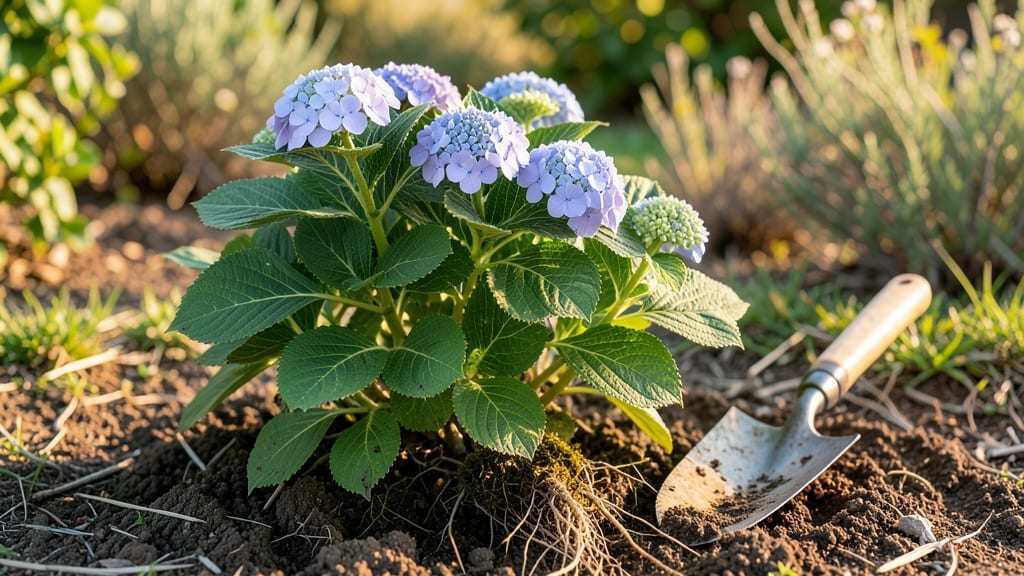
Planting hydrangeas in Indiana between April and May or September and October gives them the best shot at thriving in your USDA Zone 6a climate.
You’ve probably heard that timing matters—but with Indiana’s last frost often lingering past April 15, waiting too long can leave your 🌸 hydrangeas vulnerable to late-season cold snaps. Meanwhile, planting too early risks soggy soil and slow root growth.
The key is balancing warmth, soil readiness, and frost dates to ensure those iconic blooms show up on schedule.
This isn’t just about throwing a shrub into the ground and hoping for the best. The right window means faster establishment, stronger roots, and more vibrant flowers by summer. Whether you’re working with bare-root plants or container-grown shrubs, knowing when to dig in makes all the difference for long-term success.
Below, I’ll break down the exact months to plant based on your region in Indiana, soil prep tips to avoid common mistakes, and how to keep your hydrangeas happy through their first year—so you’re not left with wilted stems or sparse blooms.
Indiana's USDA Zones and best hydrangea planting months by variety
Indiana spans USDA Zones 5-7, and the best time to plant hydrangeas depends on your specific zone and the variety you choose. Bigleaf and Oakleaf hydrangeas thrive when planted in early spring (April), while Panicle varieties often do better with late-spring planting (May).
The key is avoiding late frosts and ensuring soil temperatures stay above 50°F (10°C).
Soil temperature is critical—most hydrangea roots struggle to establish in cold, wet soil. In Zone 5 (northern Indiana), wait until after the last frost date (typically mid-April) before planting.
In Zones 6-7 (central/southern Indiana), you can start as early as late March for early varieties. Fall planting (September) is also an option for container-grown plants.
Here’s a quick reference for Indiana’s USDA Zones 5-7 and the best hydrangea planting months by variety:
| USDA Zone | Best Planting Month | Varieties | Ideal Soil Temp | Notes |
|---|---|---|---|---|
| Zone 5 | April (early) or September (fall) | Bigleaf, Oakleaf | 50°F+ (10°C+) | Wait for last frost; mulch heavily for winter |
| Zone 6 | March-April or September | Panicle, Smooth | 45°F+ (7°C+) | Soil warms faster; can plant earlier |
| Zone 7 | March-April or September-October | All varieties | 40°F+ (4°C+) | Longer growing season; fall planting works well |
Bigleaf hydrangeas (like 'Endless Summer') need well-draining soil and prefer morning sun. Plant them in early spring to give roots time to establish before summer heat. Panicle hydrangeas (such as 'Limelight') are more adaptable and can handle late-spring planting (May) without stress. Oakleaf varieties (e.g., 'Pincushion') also thrive in early spring but appreciate slightly acidic soil (pH 5.5-6.2).
For container-grown hydrangeas, you can plant up to 6 weeks before the first frost in fall. This gives roots time to establish before winter dormancy. Avoid planting in summer—heat stress slows root growth and increases transplant shock risk.
If you must plant in summer, choose overcast days and water deeply afterward.
Indiana’s clay-heavy soils can delay warming in spring. To speed up soil temperature, add compost or aged manure 2-3 weeks before planting. Test soil moisture—it should feel like a wrung-out sponge.
If it’s still cold or soggy, wait another week. Mulch with 2-3 inches of straw after planting to insulate roots and retain moisture.
In Zone 5, late-spring frosts can damage tender new growth. Choose hardy varieties like 'Annabelle' (Panicle) or 'PeeGee' (Oakleaf) for better cold tolerance.
In Zones 6-7, you can experiment with late-summer planting (August) for container-grown plants, but aim to finish by September 1st to avoid root stress before winter.
Pro tip: Soak container-grown hydrangeas for 10-15 minutes before planting to reduce transplant shock. Gently loosen roots if they’re circling the pot. Plant at the same depth as the container—burying too deep can suffocate the stem. Water immediately after planting to settle soil and remove air pockets.
After planting, monitor soil moisture closely. Hydrangeas need 1-1.5 inches of water weekly during the first growing season. In Indiana’s humid summers, morning watering prevents fungal diseases like powdery mildew. By late summer, reduce watering slightly to harden off plants before winter.
Timing your hydrangea planting right ensures vibrant blooms and healthy growth. Whether you’re in northern Zone 5 or southern Zone 7, follow these guidelines to give your hydrangeas the best start. With the right variety and planting window, you’ll enjoy show-stopping flowers for years to come! 🌸
Signs your Indiana soil is ready for hydrangeas (and how to fix common mistakes)
Indiana’s clay-heavy soils can be tricky for hydrangeas, but knowing the right soil conditions ensures strong root growth and stunning blooms. The key is checking for proper moisture retention, temperature stability, and good drainage before planting.
These signs will tell you when your soil is ready—and what to do if it’s not.
First, dig a small hole (about 12 inches deep) and check the moisture level. If the soil feels damp but not soggy two days after rain, it’s ready.
For clay soils, which are common in Indiana, you’ll need to amend them with organic matter like compost or aged manure to improve aeration. This step is critical to prevent root rot and transplant shock.
Next, test the soil temperature. Hydrangeas thrive when soil temps reach at least 60°F. Use a soil thermometer or wait until mid-April to early May in most of Indiana (USDA zones 5-7).
If your soil is still too cold, delay planting to avoid stunted growth. Fall planting (September-October) is also an option, but soil should cool to 50-60°F for best results.
⚠️ callout warning
Your heavy clay soil needs urgent attention before planting hydrangeas. Compacted clay suffocates roots and causes poor drainage. Fix it now by mixing in 3-4 inches of compost or peat moss into the top 12 inches of soil. For extreme cases, consider raised beds with 50% native soil + 50% amendments.
🌱 Pro Tip: Test drainage by filling a hole with water. If it drains in 4-6 hours, you’re good. If not, keep amending.
Don’t overlook pH balance, which directly affects bloom color. Hydrangeas prefer pH 5.2-6.2 for blue flowers or 6.0-7.0 for pink. Use a soil test kit (available at garden centers) to check.
If your soil is too alkaline (common in Indiana), add elemental sulfur or pine needles to lower pH gradually.
Once you’ve prepped the soil, mulch heavily (3-4 inches of organic mulch like shredded bark) to retain moisture and regulate temperature. This is especially important in Indiana’s hot summers and cold winters.
Avoid mulching too close to the stem to prevent rot. Water deeply after planting and keep soil consistently moist (but not waterlogged) for the first 30 days.
If you miss the spring window, fall planting is your next best option. Aim for 6-8 weeks before frost (typically late September in southern Indiana, early October in northern areas).
This gives roots time to establish before winter. Just ensure the soil isn’t frozen or waterlogged—hydrangeas hate soggy roots in cold weather.
With the right soil prep, your hydrangeas will reward you with lush foliage and dramatic blooms from summer through fall. The key is acting early: amend your soil now (even in winter) so it’s ready when spring arrives. Happy planting! 🌸