
Blooming
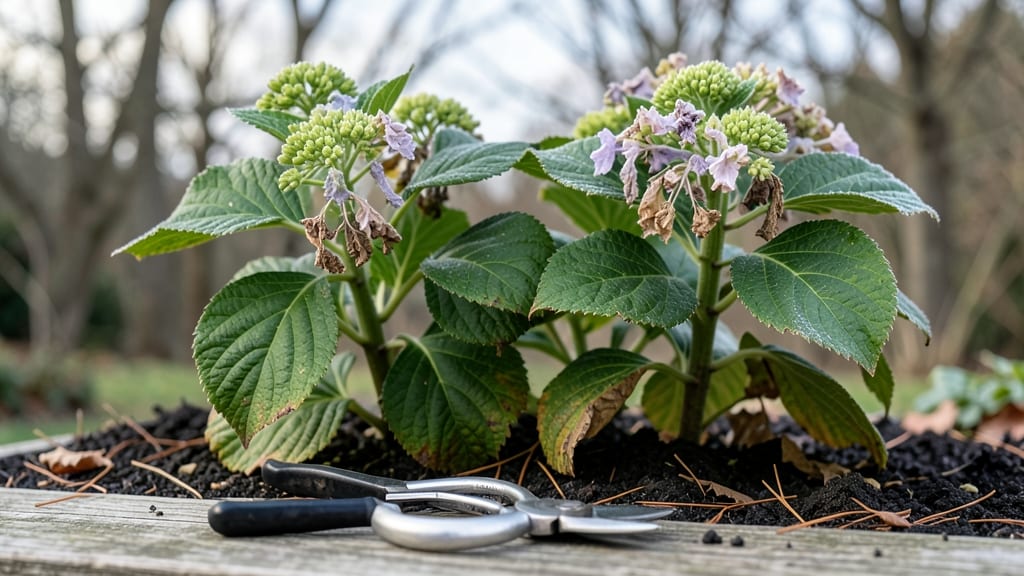
Cutting hydrangea blooms at the right time determines whether your shrub puts out show-stopping flowers next season or skips the show entirely.
Struggling to get your hydrangeas to bloom bigger and more vibrant? The secret lies in when you prune—timing makes all the difference between a sparse summer display and lush, show-stopping blooms. Miss the window, and you might end up with bare stems or stunted growth.
For most hydrangeas—especially the classic bigleaf varieties—the best time to prune is late winter or early spring, just as new growth begins.
This is when you shape the plant for next year’s blooms, but the exact timing depends on whether your hydrangea is an "old wood" or "new wood" type.
Below, I’ll break down the exact months to prune based on your climate zone, how to tell if you’ve pruned too late (or too early), and the simple steps to revive a hydrangea that’s been pruned at the wrong time.
The best time to prune hydrangeas for maximum blooms
If you’ve ever wondered when to cut hydrangea blooms for the most stunning display, timing is everything. Pruning at the wrong time can mean fewer flowers or even no blooms at all—so let’s get this right.
The key is understanding whether your hydrangea is an old-wood or new-wood type, as their pruning needs are completely different. I’ll break down the science behind late-winter pruning and how to identify your plant type so you can maximize those show-stopping blooms.
Hydrangeas bloom on either last year’s wood (old-wood types) or this year’s new growth (new-wood types). This distinction changes everything. For example, cutting back a mophead hydrangea (old-wood) in summer will leave you with no flowers next year, while pruning a panicle hydrangea (new-wood) too early can stunt its growth.
The magic happens in late winter or early spring, when the plant is still dormant but ready to burst into life.
Why late winter? Pruning at this time removes dead or weak stems while leaving the dormant flower buds intact. These buds form in late summer or fall on old-wood types, so cutting too early risks removing next year’s blooms before they even appear. For new-wood types, late winter pruning encourages fresh, vigorous growth that will produce flowers later in the season.
| Hydrangea Type | Best Pruning Time | What to Cut | Why It Works |
|---|---|---|---|
| Old-Wood Types (e.g., mophead, lacecap) | Late winter (Feb-March) | Dead/damaged stems; shape lightly | Preserves dormant buds for next year’s blooms |
| New-Wood Types (e.g., panicle, smooth) | Late winter or early spring | 1/3 of oldest stems; rejuvenate shape | Encourages new growth for summer blooms |
| Oakleaf Hydrangea | Late winter or early spring | Dead stems; light thinning | Balances old and new wood for dual blooms |
First, identify your hydrangea type by examining its flowering pattern and stem structure. Old-wood types like Hydrangea macrophylla (mophead and lacecap) produce buds on last year’s stems in late summer or fall. These buds swell in winter, so pruning too early removes next year’s blooms.
New-wood types, like panicle hydrangeas, bloom on current year’s growth, so you can prune them more aggressively in late winter without risk.
If you’re unsure, check your plant’s growth habit. Old-wood types often have woodier, thicker stems with flower buds forming along them. New-wood types tend to have slender, flexible stems that produce flowers at the tips of current season’s growth.
Pro tip: Look for tiny buds along last year’s stems in late winter—they’re your clue to hold off on pruning!
Regional climate plays a role too. In warmer zones (USDA 8-10), prune slightly later (March-April) to avoid encouraging early growth that could be damaged by late frosts. In colder zones (USDA 3-7), aim for February pruning to give the plant time to recover before spring.
Always prune after the last expected frost date in your area to minimize stress on the plant.
Now, let’s talk tools. Use clean, sharp pruners to make precise cuts just above a bud or outward-facing leaf. Avoid tearing stems, which can introduce diseases like powdery mildew. For old-wood types, cut back to a healthy bud or branch—never leave stubs.
For new-wood types, you can be bolder, removing up to one-third of the oldest stems to encourage fresh growth.
One common mistake is pruning after the first blooms appear. For old-wood types, this removes next year’s flower buds. For new-wood types, it’s okay to prune after blooming, but you’ll miss out on summer flowers.
Another pitfall is over-pruning, which stresses the plant. Stick to the 1/3 rule: Never remove more than one-third of the plant’s total growth in a single pruning session.
After pruning, give your hydrangeas a light fertilizer to support new growth. Water deeply to help the plant recover, and mulch around the base to retain moisture. With the right timing and technique, you’ll be rewarded with bigger, more vibrant blooms next season—worth every snip!
Step-by-step guide to pruning hydrangeas by type
Pruning hydrangeas isn’t one-size-fits-all—each variety blooms differently, so timing and technique depend on your plant type. Mophead and lacecap hydrangeas (Hydrangea macrophylla) produce flowers on old wood, while panicle and oakleaf types (Hydrangea paniculata and Hydrangea quercifolia) bloom on new wood.
Cutting at the wrong time can mean no flowers next season—or even worse, no flowers at all! Let’s break it down by type so you can prune with confidence.
First, grab your clean, sharp pruners and a pair of gloves. Always sterilize your tools with rubbing alcohol to prevent disease spread. For old-wood bloomers (mophead/lacecap), prune in late winter or early spring (February-March) before new growth starts.
For new-wood bloomers (panicle/oakleaf), wait until late winter or early spring but cut back harder—these types thrive on fresh growth.
Step-by-Step Pruning Guide by Hydrangea Type
- 1 Identify your hydrangea type: Check for flower buds in late winter. If buds are present, it’s an old-wood bloomer (mophead/lacecap). No buds? It’s a new-wood bloomer (panicle/oakleaf).
- 2 Prune old-wood types (Feb-March): Cut back dead or weak stems to the first set of healthy buds. Never cut more than 1/3 of the plant—this ensures next year’s blooms. Use clean cuts at a 45-degree angle just above a bud.
- 3 Prune new-wood types (Feb-March): Cut back harder—reduce stems by 1/2 to 2/3 to encourage vigorous new growth. Remove all old wood (last year’s stems) since flowers form on fresh shoots. Shape the plant into a rounded bush for airflow.
- 4 Shape for airflow: Thin out crowded branches to reduce disease risk. Aim for an open center—this prevents fungal issues and lets light reach inner stems. Remove any crossing or rubbing branches first.
- 5 Deadhead spent blooms: After flowering, snip off faded blooms (but leave the stem). For old-wood types, wait until late winter to prune—cutting too early removes next year’s buds. For new-wood types, deadhead immediately after blooming to redirect energy to new growth.
💡 Pro Tip: Label your hydrangeas if you’re unsure of the type—write the variety on a stake near the plant to avoid guesswork next pruning season!
Oakleaf hydrangeas (Hydrangea quercifolia) are a special case—they’re new-wood bloomers but also produce stunning fall foliage. Prune them lightly in late winter, removing only dead or damaged wood. The goal is to preserve the shape while encouraging fresh growth for summer blooms and autumn color.
Panicle hydrangeas (Hydrangea paniculata), like ‘Limelight’ or ‘Little Lime,’ are the most forgiving—they bloom on new wood and can handle heavy pruning without fear. Cut them back by 1/3 to 1/2 in late winter to boost next year’s blooms.
Their cone-shaped flowers thrive with aggressive shaping, making them perfect for hedges or dramatic focal points.
After pruning, mulch around the base with 2-3 inches of organic mulch (like shredded bark) to retain moisture and protect roots. Water deeply to help the plant recover, and avoid fertilizing until new growth appears in spring.
With the right cuts, your hydrangeas will reward you with bigger, healthier blooms next season.